
As-Suwayda (Sweida) — city in southwestern Syria
As-Suwayda (Sweida) is a city in southwestern Syria, capital of As-Suwayda Governorate, known for its predominantly Druze population, elevated basalt plateau setting, and regional cultural role.
Overview
As-Suwayda, also spelled Sweida, is a city in the southern part of Syria. Its Arabic name appears as السويداء. The city serves as the administrative center of its governorate and is widely recognised for its strong association with the Druze community.
Image gallery
10 Images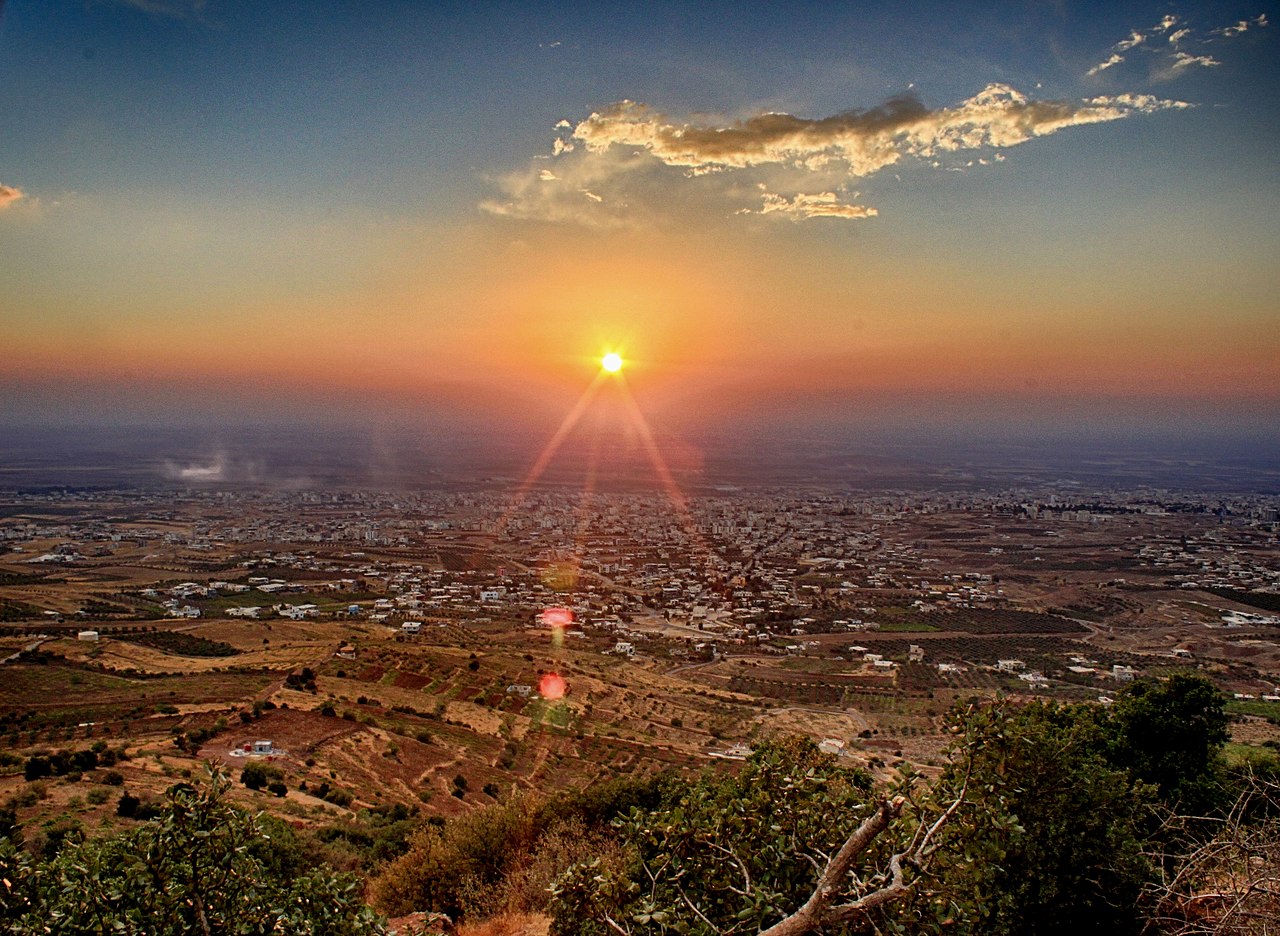


Location and geography
As-Suwayda lies in a highland area of southwestern Syria, near the volcanic plateaus traditionally known as Jabal al-Druze and the Laja (a field of basaltic rock). The surrounding terrain is more elevated and cooler than the nearby desert and plains, with a semi-arid climate that supports seasonal agriculture and orchards. The city's position places it within southwestern Syria, giving it both strategic and cultural connections to neighboring regions.
History and development
The site developed over many centuries as part of broader Levantine trade and settlement patterns. While not a large metropolitan center, As-Suwayda grew into an administrative and commercial hub for the local highlands. Over time the city absorbed influences from Ottoman and modern Syrian governance structures, which shaped its civic institutions and built environment.
Population and culture
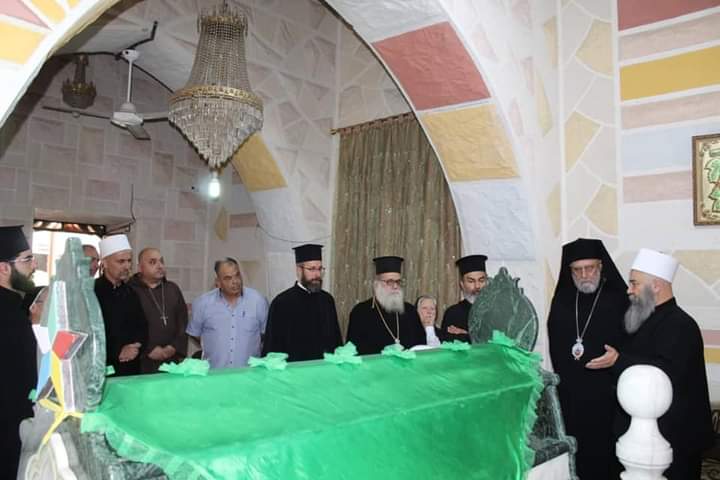
The city's population has a predominantly Druze religious and social character. Druze religious life, community councils and local customs play an important role in daily affairs. Arabic is the primary language, and local festivals, family gatherings and agricultural cycles structure cultural life.
Economy and importance
As-Suwayda functions as the economic and service center for the surrounding rural district. Agriculture — including fruit orchards, vineyards and small-scale farming — forms the backbone of the local economy, supplemented by trade, crafts and public administration. The city is the capital of As-Suwayda Governorate, which concentrates regional government services, markets and basic healthcare and education facilities.
Notable facts and distinctions
- As a regional capital with a cohesive community identity, the city is a focal point for Druze cultural and religious life in Syria.
- The surrounding basalt landscape and elevated setting give it distinct agricultural patterns compared with lowland Syrian provinces.
- Local traditions and the role of municipal institutions distinguish As-Suwayda from nearby urban centers.
Together these characteristics make As-Suwayda an important local center: administratively, culturally and economically, especially within the highland areas of southern Syria.
Related articles
Author
AlegsaOnline.com As-Suwayda (Sweida) — city in southwestern Syria Leandro Alegsa
URL: https://en.alegsaonline.com/art/6435
Sources
- cbssyr.org : as-Suwayda city population