
Selma, Switzerland — former mountain municipality in the Calanca valley
Selma was a small mountain municipality in the Moesa district of Graubünden, Switzerland. In 2015 it merged with neighboring villages to form the municipality of Calanca; its alpine landscape and traditions remain notable.
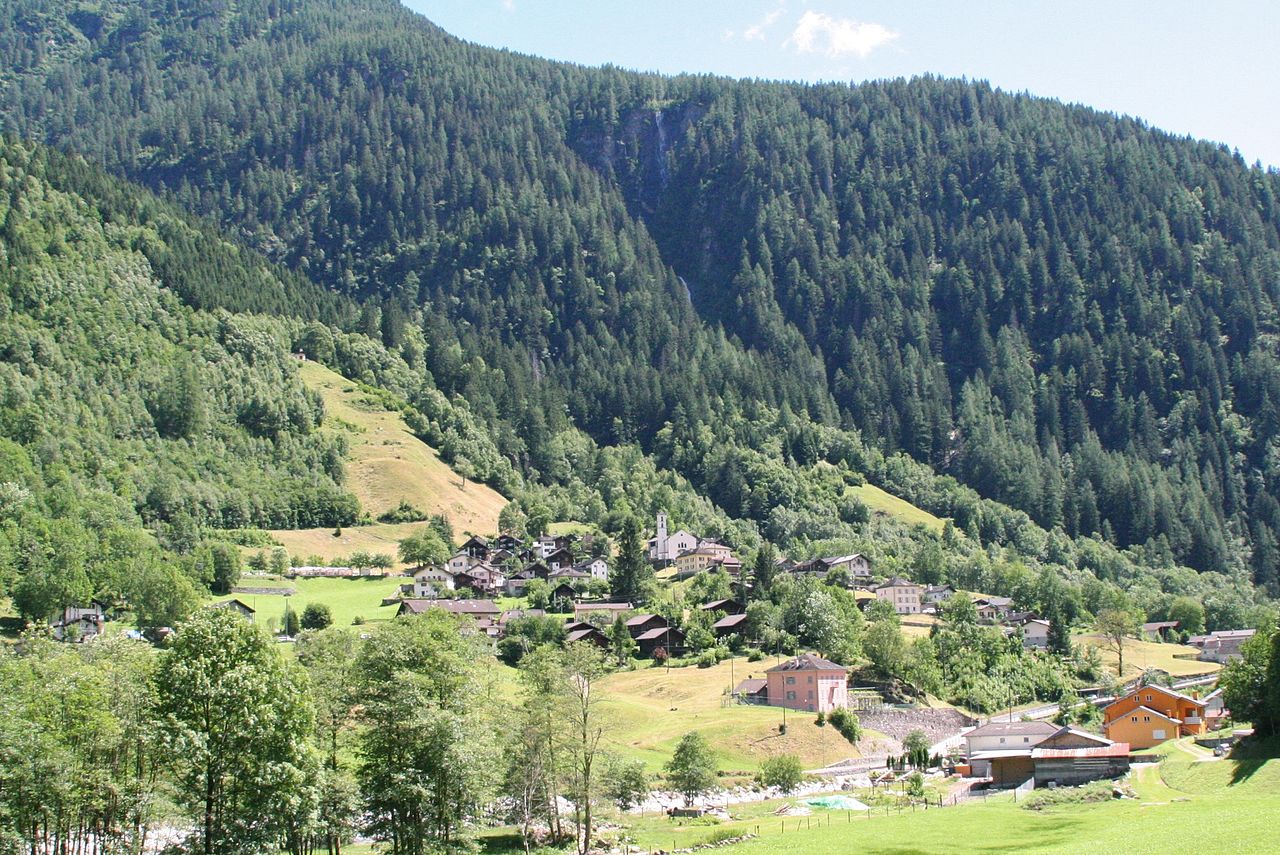
Selma is a former municipality located in the southern part of the Swiss canton often referred to as the canton or by name Graubünden. It sat within the Moesa district, an area of steep valleys and terraced slopes in Switzerland. The settlement is characteristic of small Alpine hamlets: narrow streets, stone houses, and fields carved into the hillside.
Image gallery
3 Images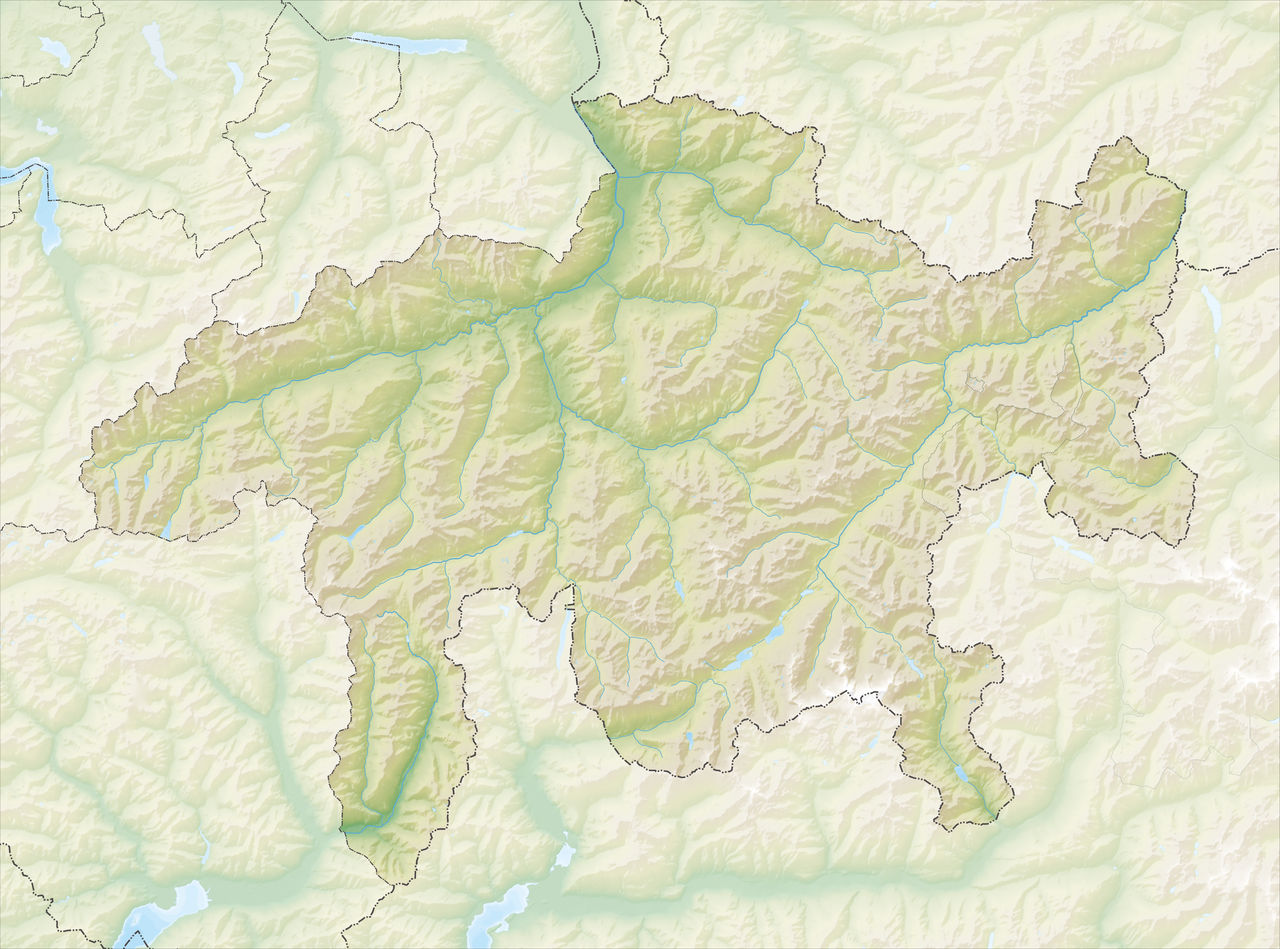
Geography and settlement
Selma lies in a narrow side valley of the southern Alps, where a mountain stream cuts through steep rock and supports mixed woodland and cultivated terraces. The local landscape features chestnut groves, pastureland and old dry-stone walls, typical of the Calanca valley region. Buildings were clustered on sunny slopes above the valley floor to maximize exposure and minimize avalanche risk.
History and administration
Administratively, Selma functioned as an independent municipality until 1 January 2015. On that date it joined the nearby villages of Arvigo, Braggio and Cauco to form the new municipality called Calanca. This type of municipal consolidation has been common in Switzerland in recent decades as small communities seek improved public services and streamlined governance.
Culture, language and economy
The area is part of the Italian-speaking cultural zone of Graubünden, and local traditions reflect Alpine and Mediterranean influences. Historically the economy depended on subsistence agriculture, seasonal alpine pasturing and chestnut cultivation; today it also includes small-scale tourism, artisanal crafts and commuter links to larger towns. Vernacular architecture and parish churches preserve a visible record of local history.
Recreation and significance
- Hiking and mountain trails that connect Selma with neighboring hamlets and higher alpine pastures.
- Quiet rural tourism focused on nature, local food and cultural heritage.
- Conservation of traditional terraces and woodlands important for landscape value and biodiversity.
Although no longer an independent municipality, Selma remains representative of the small, resilient mountain communities of southern Graubünden: places where geography shaped settlement patterns, local languages and livelihoods, and where municipal mergers have redefined administrative borders while many cultural features endure.
Related articles
Author
AlegsaOnline.com Selma, Switzerland — former mountain municipality in the Calanca valley Leandro Alegsa
URL: https://en.alegsaonline.com/art/88712