
Artisan
An artisan is a skilled craftsperson who makes functional or decorative objects by hand. This article outlines characteristics, history, common products, contemporary relevance, and distinctions from mass production.
An artisan is a person who produces goods through manual skill, often combining technical knowledge with aesthetic judgment. Artisans work in many materials and traditions, creating objects that can be both useful and decorative. While some craftspeople operate at a small commercial scale, others work primarily for personal commissions, cultural preservation, or artistic expression.
Image gallery
10 Images
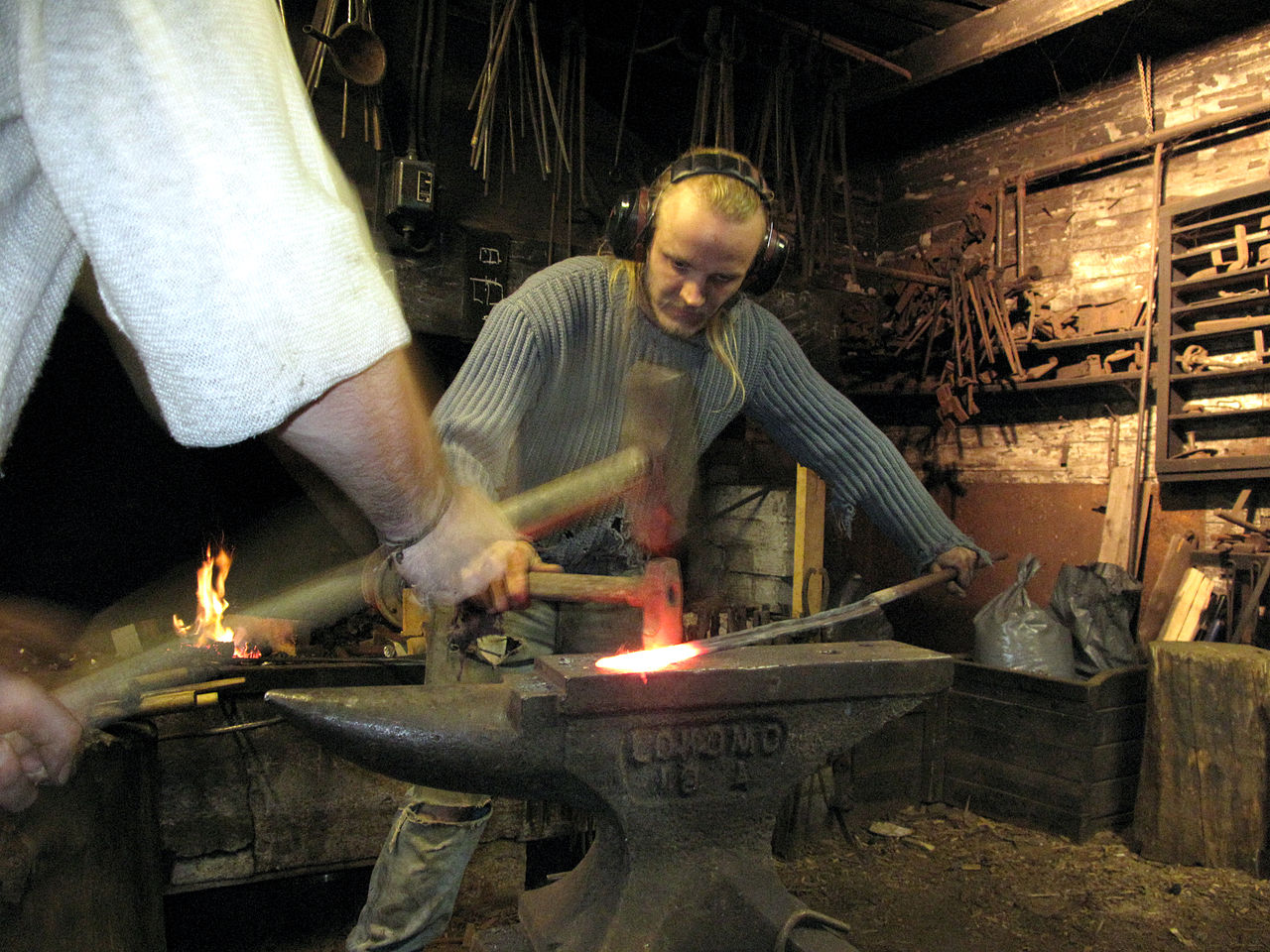


Characteristics and techniques
Artisanal practice emphasizes hands-on techniques, attention to materials, and direct control over production. Typical methods include carving, weaving, forging, throwing (pottery), sewing and hand-finishing. Tools may be simple hand tools or specialized equipment, but the hallmark is skill applied directly by the maker rather than by automated processes. Quality often rests on accumulated experience, choice of raw materials, and the maker's control of form, fit and finish.
History and cultural role
Historically, artisans formed guilds and workshops that transmitted skills across generations and regulated standards of work. In many societies they supplied household goods, tools, clothing and ritual objects. Industrialization shifted much production to factories, but artisans continued to maintain traditions, adapt techniques, and serve niches that value customization, cultural identity, and handmade quality.
Common products and examples
- Furniture: handcrafted chairs, tables and cabinetry using joinery and finishing techniques (furniture).
- Sculpture: small-scale or public works shaped in wood, stone, metal or mixed media (sculpture).
- Clothing and textiles: tailored garments, woven cloth and embroidery made by individual makers (clothing).
- Jewellery: rings, necklaces and metalwork produced with hand-setting and finishing (jewellery).
- Food products: bakeries, small breweries and cheesemakers that emphasize hand methods and local ingredients (bread, cheese).
- Household items and tools: ceramics, knives, baskets and other everyday objects handcrafted for durability or cultural value.
Modern significance and distinctions
Today the term "artisan" or "artisanal" often signals handmade production, small scale, and a focus on craft values such as provenance and sustainability. Artisans differ from artists in that their work frequently has a practical function, and they differ from industrial manufacturers by producing fewer units, offering greater customization, and retaining direct control over the process. Consumers may seek artisanal goods for perceived quality, uniqueness or to support local economies, while critics sometimes note that the label can be used loosely in marketing.
Related articles
Author
AlegsaOnline.com Artisan Leandro Alegsa
URL: https://en.alegsaonline.com/art/6368