
Arthur Polonsky: American Painter, Draughtsman, and Educator
Concise overview of Arthur Polonsky (1925–2019), a Boston Expressionist painter and draughtsman who taught in Boston, explored mythic and figurative themes, and inspired a documentary by his son.
Arthur Polonsky (June 6, 1925 – April 4, 2019) was an American draughtsman and painter whose work is commonly associated with Boston Expressionism. Born in Lynn, Massachusetts, to Russian Jewish immigrant parents, Polonsky developed a practice grounded in disciplined drawing, theatrical composition, and sustained attention to the human figure. Over a long career he combined studio practice with teaching, writing, and participation in the cultural life of mid‑century Boston.
Image gallery
1 Image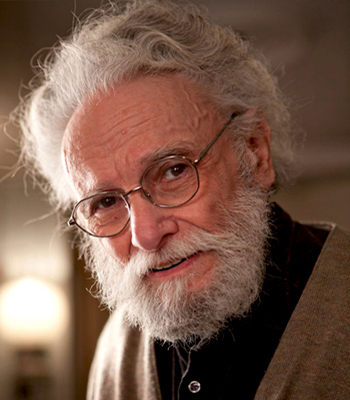
Artistic style and themes
Polonsky's work is characterized by precise line, dynamic draftsmanship and an interest in narrative that often drew on myth, memory and psychological states. He worked in a figurative register at a time when abstract movements were dominant, aligning him with regional artists who emphasized emotion, story and the expressive possibilities of the human form. His paintings and drawings range from intimate studies to larger, more theatrical compositions that balance figuration and painterly invention.
Method and practice
Drawing was central to Polonsky's method; many compositions began as carefully observed studies that established structure and movement before paint was applied. He was known for exploring gesture, anatomy and space, treating drafts as compositional investigations in their own right. Critics and peers described his line as forceful and his palettes as capable of moving from muted tonal harmonies to sharp color accents depending on the subject and mood.
Teaching and career
From 1950 to 1960 Polonsky taught in the painting department at the Boston Museum School, where he influenced students through demonstrations, critiques and demonstration of rigorous draftsmanship. His years as an instructor coincided with a flourishing local scene in which artists, galleries and academic programs fostered regional dialogues about representation, modernism and the role of art in postwar American life. He combined studio work with exhibitions and community engagement, playing a formative role in the development of younger artists in the area.
Background and personal life
Raised in a Jewish household rooted in immigrant experience, Polonsky's identity and family history informed aspects of his subject matter and his connections within the local cultural community. He was married to Lois Tarlow and the couple had three sons: Eli, D.L., and Gabriel. In later years his life and archive became the subject of renewed interest, and his memory is linked to regional histories of art and education.
Legacy and recognition
Although primarily active in the Boston region, Polonsky's commitment to drawing and the expressive figure has been cited by students and scholars as an important contribution to mid‑20th‑century American figurative painting. His works have been discussed in exhibitions and regional surveys of Boston Expressionism, and he is remembered for both his teaching and his sustained studio practice. Interest in his life and work reached wider audiences through a film project by his son.
A cinematic portrait titled Release From Reason explores Polonsky's artistic journey and private archive; the film was undertaken by his son Gabriel Polonsky, an Emmy‑nominated director and producer whose credits and profile are noted in contemporary accounts. The project helped surface family photographs, sketches and anecdotes that illuminate the artist's process and his place in a broader artistic community.
Notable facts
- Polonsky taught in the painting department at the Boston Museum School from 1950 to 1960: Boston Museum School.
- He was born in Lynn, raised in a family of Russian Jewish immigrants, and worked mainly in the Boston area: Massachusetts.
- His later years and legacy were the subject of a film, Release From Reason, produced by his son; see also the son's professional credits: Gabriel Polonsky.
- Polonsky died in Newton, Massachusetts, in April 2019 at the age of 93.
For readers seeking further information, consult regional museum catalogues, academic studies of Boston Expressionism and archival interviews or obituaries that document his exhibitions, teaching and surviving drawings and paintings. Additional materials may be available through institutional collections and film resources that bring his work to a contemporary audience.
Related articles
Author
AlegsaOnline.com Arthur Polonsky: American Painter, Draughtsman, and Educator Leandro Alegsa
URL: https://en.alegsaonline.com/art/6303
Sources
- berkshirefinearts.com : "Artist Arthur Polonsky at 93"