
Arthur, Prince of Wales: Tudor Heir and the Marriage That Shaped a Dynasty
Arthur Tudor (1486–1502), eldest son of Henry VII and Elizabeth of York, was heir apparent whose short life and marriage to Catherine of Aragon had lasting political and dynastic consequences for England.
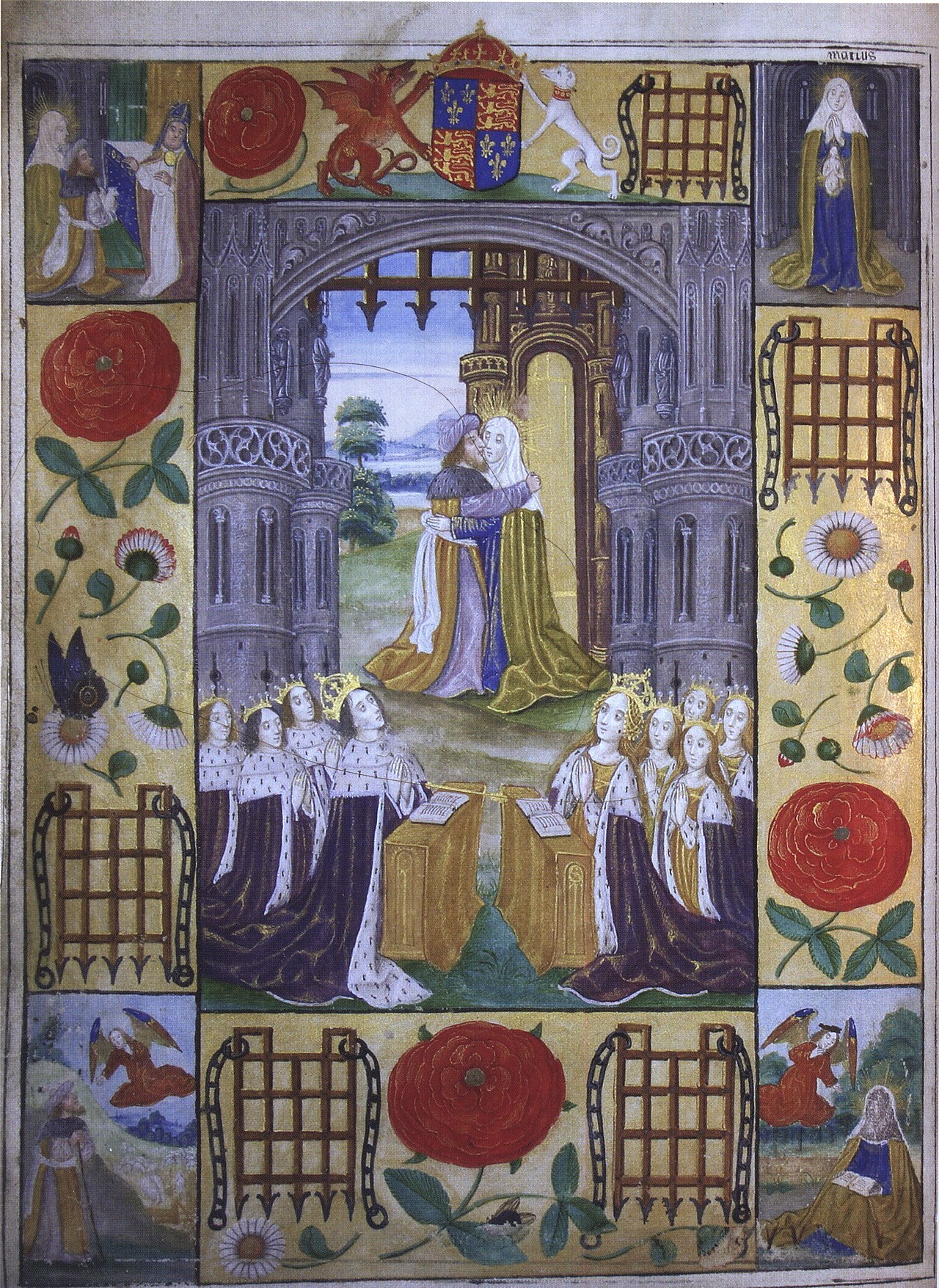
Arthur Tudor (born September 1486; died 2 April 1502) was the eldest son of Henry VII and Elizabeth of York. As firstborn of the Tudor king, Arthur held the title Prince of Wales and was the planned successor to the English throne. His upbringing and public image were intended to consolidate the recently established Tudor dynasty after the Wars of the Roses.
Image gallery
8 Images




Early life and position
From infancy Arthur was the focus of dynastic policy. Princes of Wales traditionally received a household and education that prepared them for kingship; Arthur's tutors, ceremonies and public appearances emphasized royal continuity and legitimacy. Contemporary accounts note the careful staging of his investiture and the prominence of his role in court ritual. His status made him a key instrument of foreign policy, particularly in forging alliances through marriage.
Marriage and diplomatic importance
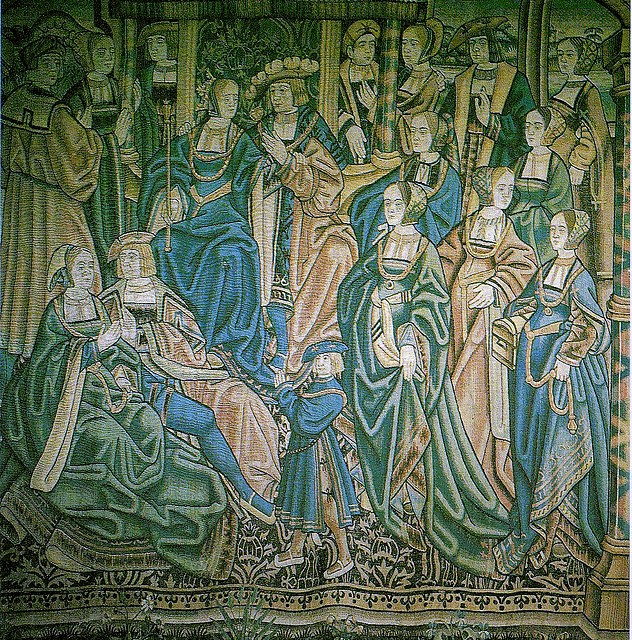
In 1501 Arthur married Catherine of Aragon, a Spanish princess whose family ties linked England to the powerful Iberian kingdoms. The union was negotiated as part of a wider alliance between England and Spain; it carried expectations of strengthening Tudor international standing and producing heirs. The bride, known to history as Catherine of Aragon, came from the realms of Spain, and her presence at the English court reflected the importance of continental diplomacy in late medieval monarchy.
Death and succession
Arthur died only months after his wedding, at the age of fifteen. His premature death deprived the Tudors of their intended heir and altered the line of succession: his younger brother Henry became heir apparent and later succeeded their father as Henry VIII. Arthur's death therefore had direct constitutional and personal consequences for the royal family, setting in motion events—political and marital—that would shape the following decades.
Legacy and historical significance
Though he never reigned, Arthur's life is remembered for its political implications. His marriage contract and death affected international alliances and domestic succession. When Henry VIII later married Catherine, that marriage and its later annulment became central to the English Reformation and to debates about royal authority and marriage law. Historians view Arthur as a hinge figure: his early death changed Tudor plans and helped produce a very different religious and political landscape in the 16th century.
Notable facts
- He held the traditional titles and responsibilities of an heir apparent, including ceremonial duties.
- The match with Catherine of Aragon was a major diplomatic achievement for Henry VII's foreign policy.
- Arthur's death transferred the heirship to Henry VIII, whose reign had far-reaching consequences.
For concise chronologies, biographies, and primary sources about Arthur and his family, consult modern historical summaries and archival collections that discuss late 15th-century England and Tudor diplomacy. Further reading can illuminate how a short life affected centuries of English history.
Related articles
Author
AlegsaOnline.com Arthur, Prince of Wales: Tudor Heir and the Marriage That Shaped a Dynasty Leandro Alegsa
URL: https://en.alegsaonline.com/art/6304