
Arthur Rimbaud
French poet Arthur Rimbaud became a literary legend for visionary early poems written in his teens, then abandoned writing for travel, trade, and adventure.
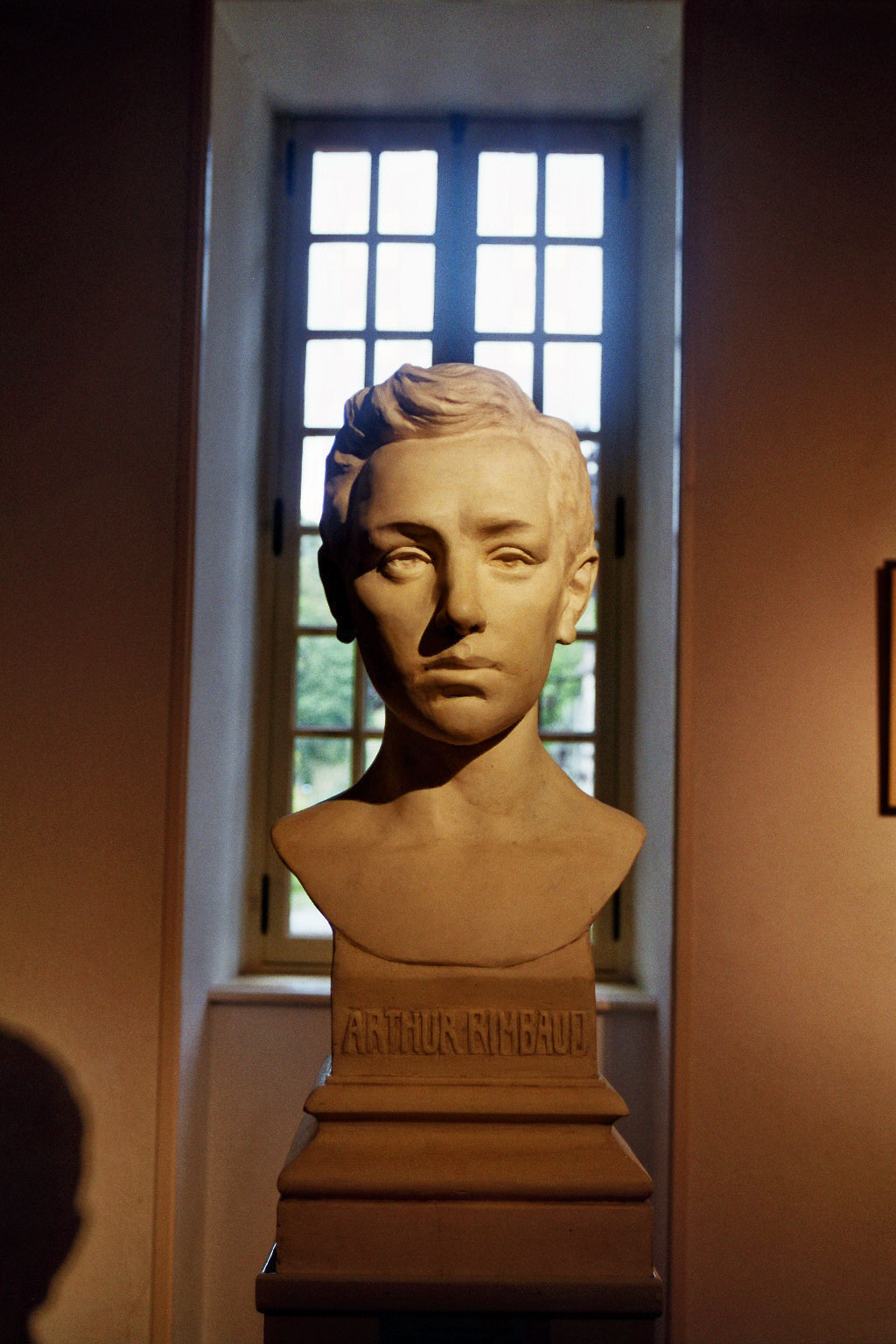
Arthur Rimbaud was a French poet associated with the breakthrough of modern poetry. Born in Charleville in 1854, he produced some of his most important work while still a teenager, then stopped writing in his early twenties and spent the rest of his life moving between Europe, the Middle East, and Africa. His brief literary career and radical style made him one of the most influential figures in French literature.
Rimbaud is often linked to French poetry because his work broke sharply with conventional verse. He favored vivid images, unexpected associations, and a highly charged musical language that later writers connected with symbolism and modernism. His poems often explore desire, rebellion, altered perception, and the search for freedom. Among the best-known are The Drunken Boat, Voyelles, Une Saison en enfer (A Season in Hell), and Illuminations.
Image gallery
10 Images




Early life and literary breakthrough
Raised in Charleville, Rimbaud was a gifted student who began writing very young. By his mid-teens he was already sending poems to established poets in Paris and developing an audacious voice that surprised readers with its mix of classical form and startling imagery. His most productive years came roughly between ages 15 and 18, when he wrote the work that secured his reputation.
During this period, Rimbaud sought to push poetry beyond ordinary language. He experimented with rhythm, symbolism, and visionary imagery, aiming for what he described as a transformation of perception. His intense relationship with the poet Paul Verlaine also became part of his legend and has attracted much biographical discussion. Modern readers often see his life as inseparable from his art, though his poems stand on their own as carefully crafted literature.
Later life and legacy
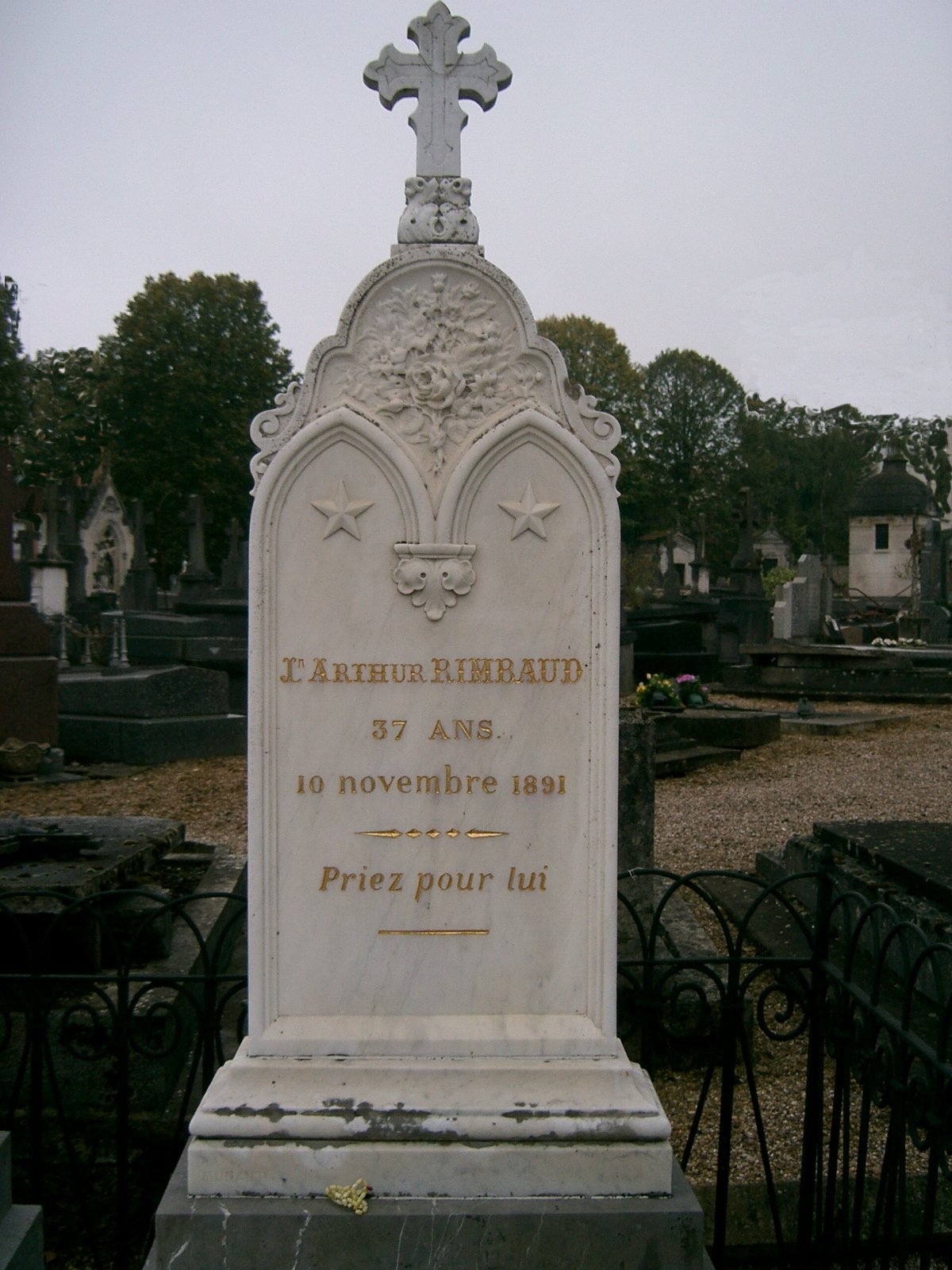
After his early literary period, Rimbaud abandoned poetry and pursued a restless life of travel and commerce. He worked as a trader and adventurer in regions including East Africa and the Arabian world, far from the Parisian literary circles that had first recognized him. He died of cancer in 1891 at the age of 37. The later part of his life remains notable not for new writing, but for the mystery it added to his already exceptional reputation.
- Literary importance: a major precursor of symbolism, modernism, and surrealist experimentation
- Style: compressed, imagistic, and often visionary
- Legacy: admired for both technical innovation and the myth of the precocious poet who renounced literature
Rimbaud’s influence has continued well beyond French literature. He is read as a poet of rebellion, youth, and artistic risk, and his work remains central to discussions of how far poetry can stretch language while still preserving meaning and force. For many readers, he represents the idea that a short body of work can reshape an entire literary tradition.
For more context on his birthplace, see Charleville, the town where Rimbaud’s early life began.
Tags
Related articles
Author
AlegsaOnline.com Arthur Rimbaud Leandro Alegsa
URL: https://en.alegsaonline.com/art/6308
Sources
- megaessays.com : Poetry analysis essays