
Arthur Rubinstein
Polish-American pianist renowned for his Chopin interpretations, broad repertoire, long performing career, recordings and influence as a soloist and chamber musician.
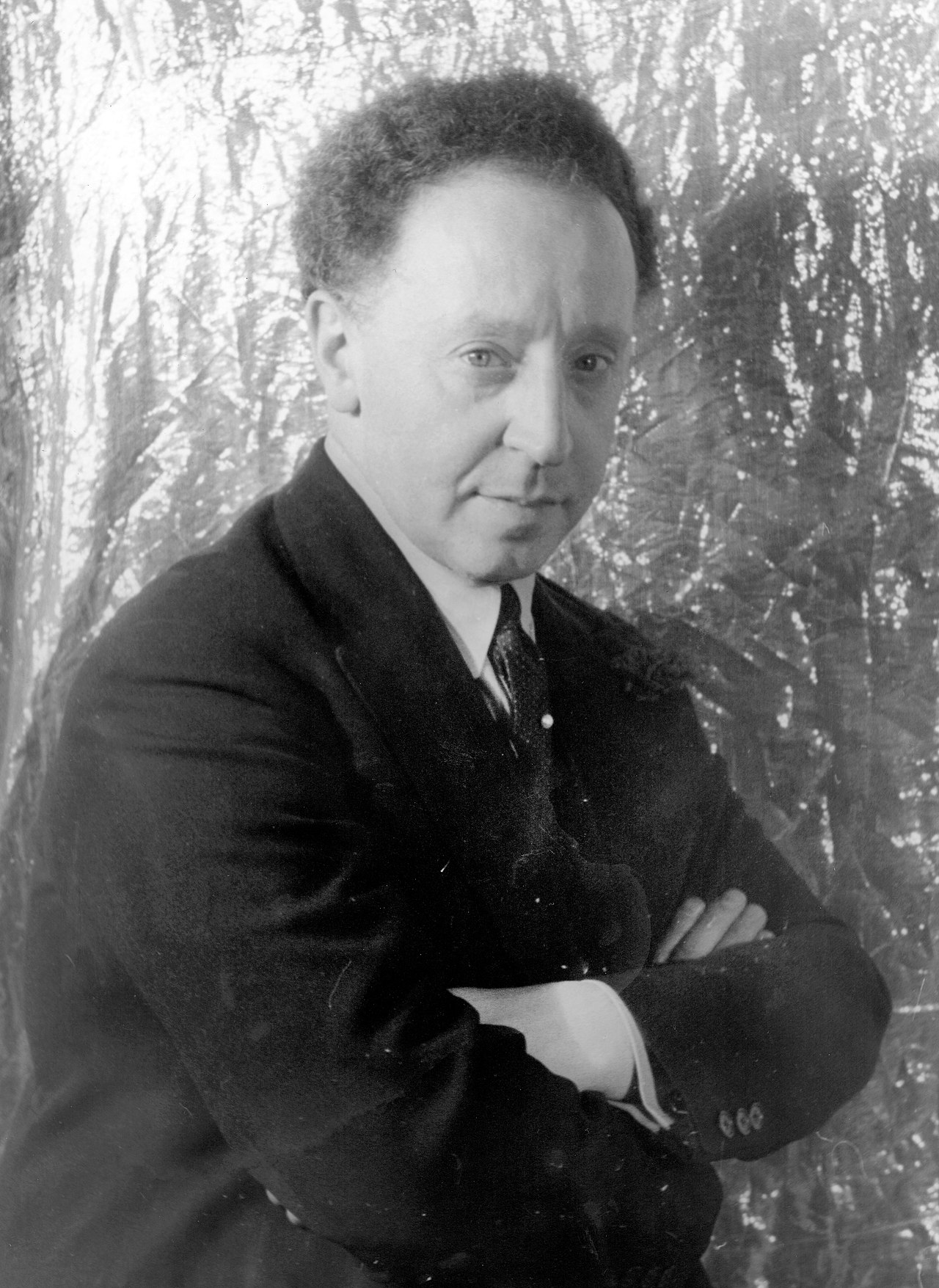
Arthur Rubinstein (1887–1982) was a Polish-born concert pianist whose playing gained international admiration for its warmth, lyricism and vitality. He is especially associated with the music of Frédéric Chopin but maintained a wide-ranging repertory that included classical, Romantic and contemporary works. Rubinstein’s public persona combined virtuosity with an accessible, communicative style that made him one of the best-known musicians of the twentieth century. Biographical overviews and reference entries can be found via Poland-related sources and in American musical histories linked to his later life in the United States. He is most often described simply as a pianist whose recordings and concerts shaped popular understanding of many piano works and composers (repertoire, composers).
Early life and training. Rubinstein was born into a Jewish family in Łódź and showed pianistic talent very early. He reportedly began at the keyboard as a small child and received formal instruction that took him to musical centers such as Warsaw and later Berlin, where he studied with teachers of the late Romantic tradition. He made an early public appearance in Berlin and later presented his first major American recital at Carnegie Hall, events that launched a career spanning many decades and continents.
Career, repertoire and style. Rubinstein performed as a solo recitalist, as a concerto soloist and as a chamber musician. He was known for the naturalness of his phrasing, a singing tone, flexible rhythm and an emphasis on musical line over mechanical display. These qualities informed his readings of Chopin, which some critics and listeners have called exemplary. He also appeared frequently as a soloist in large-scale concertos and collaborated with distinguished colleagues as a chamber musician. His professional identity sometimes showed linguistic and commercial tensions: he preferred the English spelling of his given name, yet promoters such as Sol Hurok used both versions when marketing concerts and recordings.
Recordings, writings and legacy. Rubinstein made an extensive catalogue of recordings that helped disseminate his interpretations to a global audience; these records remain reference points for many listeners. He also wrote memoirs and gave interviews that contributed to public understanding of his art and the musical life of his era. Rubinstein maintained a busy schedule well into advanced age and formally reduced his public appearances only when he felt it necessary to retire from regular performing.
Image gallery
9 Images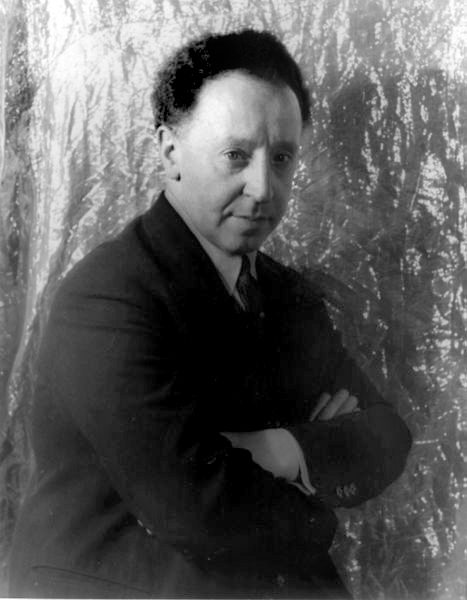


Later years and memorial
After a long career he spent his final years in Europe, and he died in Geneva, Switzerland. His estate made arrangements for his remains to be handled according to his wishes; he was cremated, and on the first anniversary of his death his ashes were interred in Jerusalem as specified in his will. The burial site overlooks a notable wooded area often referred to in English-language sources as the Jerusalem Forest.
Key aspects
- Overview: A widely admired performer who combined technical command with expressive freedom.
- Repertoire: Best known for Chopin but respected for a broad repertory spanning many composers.
- Performance roles: Active as a recitalist, concerto soloist and chamber musician.
- Legacy: A large recorded output, publications of memoirs and an enduring influence on pianistic taste.
Rubinstein’s career is often studied to understand mid-20th-century performance practice, the development of recording technology and the public role of the classical soloist. For readers seeking further detail, authoritative biographies, collected recordings and primary memoirs provide extended documentation and perspective on his life and work.
Questions and answers
Q: Who was Arthur Rubinstein?
A: Arthur Rubinstein was a Polish-American pianist.
Q: What composers did Rubinstein receive praise for playing the music of?
A: Rubinstein received praise for playing the music of a selection of composers, with many considering him the greatest Chopin player of the century.
Q: Where was Rubinstein born and to what type of family?
A: Rubinstein was born in Łódź, Poland to a family of Jews.
Q: What was Rubinstein's father's occupation?
A: Rubinstein's father was a rich owner of a factory.
Q: When did Rubinstein learn to play the piano?
A: Rubinstein learned to play the piano at the age of two in Warsaw.
Q: When did Rubinstein debut in Berlin and the United States?
A: Rubinstein debuted in Berlin in 1898 and made his debut at Carnegie Hall in the United States in 1906.
Q: When did Rubinstein retire and where did he die?
A: Rubinstein retired from the stage at age eighty-nine, and died in Geneva, Switzerland on December 20, 1982 at the age of ninety-five.
Related articles
Author
AlegsaOnline.com Arthur Rubinstein Leandro Alegsa
URL: https://en.alegsaonline.com/art/6309
Sources
- nytimes.com : Arthur Rubinstein dies in Geneva at 95
- enotes.com : Rubinstein, Arthur
- query.nytimes.com : "Arthur Rubinstein remains are buried in Jerusalem Plot"