
Acarology: the scientific study of mites and ticks
Acarology is the branch of zoology that investigates mites and ticks—their biology, classification, ecology, medical and agricultural impacts, and methods used to identify and manage them.
Overview
Acarology is the scientific discipline focused on mites and ticks, tiny arachnids that occur in almost every terrestrial and many aquatic habitats. Specialists, called acarologists, document species diversity, study life cycles and behavior, and investigate interactions between these organisms, other animals, plants and people.
Image gallery
1 Image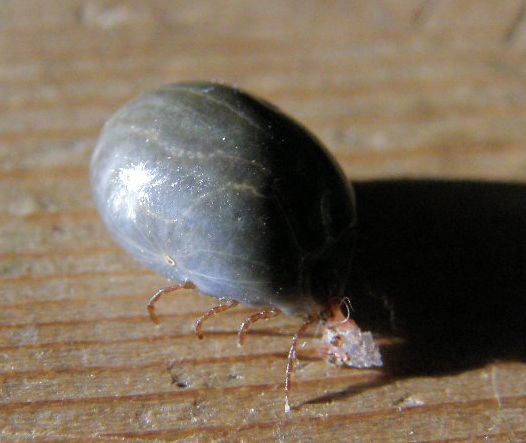
Classification and characteristics
Mites and ticks belong to the order-group Acari within the class Arachnida. They are usually divided into major assemblages such as Acariformes and Parasitiformes. Body shapes range from nearly microscopic, soft-bodied mites to larger, hard-bodied ticks. Typical features include four pairs of legs in the nymphal and adult stages (some larvae have three pairs), a body flattened or rounded in cross-section, and mouthparts adapted for biting, piercing, or scraping.
Life cycles, habitats and roles
Life histories vary but commonly include egg, larval, nymphal and adult stages. Many species are free-living detritivores or predators important in soil and plant ecosystems; others are parasites of vertebrates or invertebrates. Mites recycle organic matter, control small arthropod populations, or act as crop pests, while ticks are best known as blood-feeding parasites and vectors of pathogens.
Methods and practical importance
Acarologists use a mix of techniques: microscopic morphology, molecular genetics, sampling tools such as Berlese funnels for soil fauna or flagging for ticks, and host examinations. Practical applications include agricultural pest management (for example, predatory mites used as biological control and phytophagous mites that damage crops), veterinary and medical research on tick-borne diseases, and allergology (house dust mites).
History, challenges and notable facts
The field grew as microscopic techniques and disease ecology advanced; taxonomy and systematics remain active areas because many species are still undescribed and cryptic. Challenges include small size, morphological convergence, and the need to integrate molecular data. Notable examples familiar to the public include dust mites that trigger allergies, the Varroa mite harming honeybees, and ticks that transmit illnesses such as Lyme disease.
Related articles
Author
AlegsaOnline.com Acarology: the scientific study of mites and ticks Leandro Alegsa
URL: https://en.alegsaonline.com/art/625