
Martin Böttcher — German film and television composer (1927–2019)
German composer, arranger and conductor best known for the 1960s Karl May film scores. He wrote for over 50 films and 300 TV programmes and influenced European Western film music.
Overview
Martin Böttcher was a German composer, arranger and conductor whose work became widely known in Europe during the 1950s and 1960s. Born in Berlin in 1927, he made a name for himself by creating memorable, melodic scores for cinema and television. Over the course of his career he composed for more than 50 feature films and more than 300 television productions, gaining both popular recognition and influence among filmmakers and musicians.
Image gallery
1 Image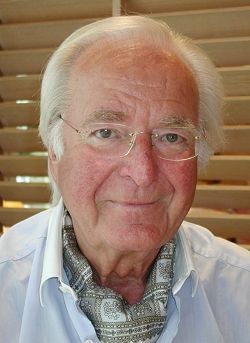
Musical style and signature
Böttcher's music is often characterised by strong, singable themes and clear orchestration that foregrounds melody. His scores frequently used leitmotifs—recurring musical ideas tied to characters or places—and blended traditional orchestral textures with popular musical elements of the time. This approach made his themes easy to recall and helped his film music reach listeners beyond the cinema-going public.
Career highlights and notable works
He is best known internationally for the scores he wrote for the 1960s film adaptations of Karl May's adventure novels, notably the Winnetou films, which became box-office hits across Europe. Those soundtracks helped define a distinctly European take on Western film music and contributed to wider interest in the genre. Böttcher's filmography also spans crime films, comedies and family pictures, while his extensive television work ranged from drama series to variety and documentary productions.
Influence and legacy
Böttcher's popular themes were a factor in the period's musical conversations: they showed that European composers could craft effective, commercially successful music for Western and adventure films. His work was noted alongside developments in the wider film-music scene that included Italian composers and productions, and has been cited as part of the milieu that preceded the rise of Italian approaches to the Western genre. Those Italian developments later became known as Spaghetti Westerns, a label applied to a new wave of Westerns made in Italy and elsewhere that adopted distinctive scores and cinematic styles.
Characteristics and recognitions
- Over 50 feature film scores and more than 300 television credits.
- Memorable, melody-driven themes often performed separately from the films.
- Work that bridged popular and orchestral idioms, making film music accessible to a broad audience.
Later life and death
After decades of active composition, arranging and conducting, Böttcher continued to be remembered for the distinctive themes that accompanied some of Germany's most popular 20th-century film adaptations. He died in April 2019 at the age of 91, leaving behind a catalogue of music that remains of interest to collectors, performers and scholars of European film music.
For further general information about his life and recorded output, see representative references and archives that document postwar European film composers and the popular film music industry.
composer • arranger • conductor • Italian cinema • Western genre • Spaghetti Westerns • Berlin
Related articles
Author
AlegsaOnline.com Martin Böttcher — German film and television composer (1927–2019) Leandro Alegsa
URL: https://en.alegsaonline.com/art/62347
Sources
- lastampa.it : "Addio a Martin Bottcher: la sua musica da Derrick ai western con Winnetou"
- tt.com : "Winnetou-Komponist Martin Böttcher gestorben"