
Martin de Porres: Peruvian Dominican Brother, Caregiver, and Patron of Social Justice
Martin de Porres (1579–1639), a lay brother of the Dominican Order from Lima, is remembered for charity, humility, and miracles. He is a patron of social justice, race relations, barbers and hairdressers.
Overview
Martin de Porres (December 9, 1579 – November 3, 1639) was a lay member of the Dominican Order who spent his life in service to the poor and sick in Lima, Peru. He is widely honored as a saint in the Roman Catholic tradition and is often described simply as a Christian model of humility and charity. Born of mixed background and entering religious life as a brother rather than an ordained priest, he combined practical skills with spiritual care in daily ministry.
Image gallery
7 Images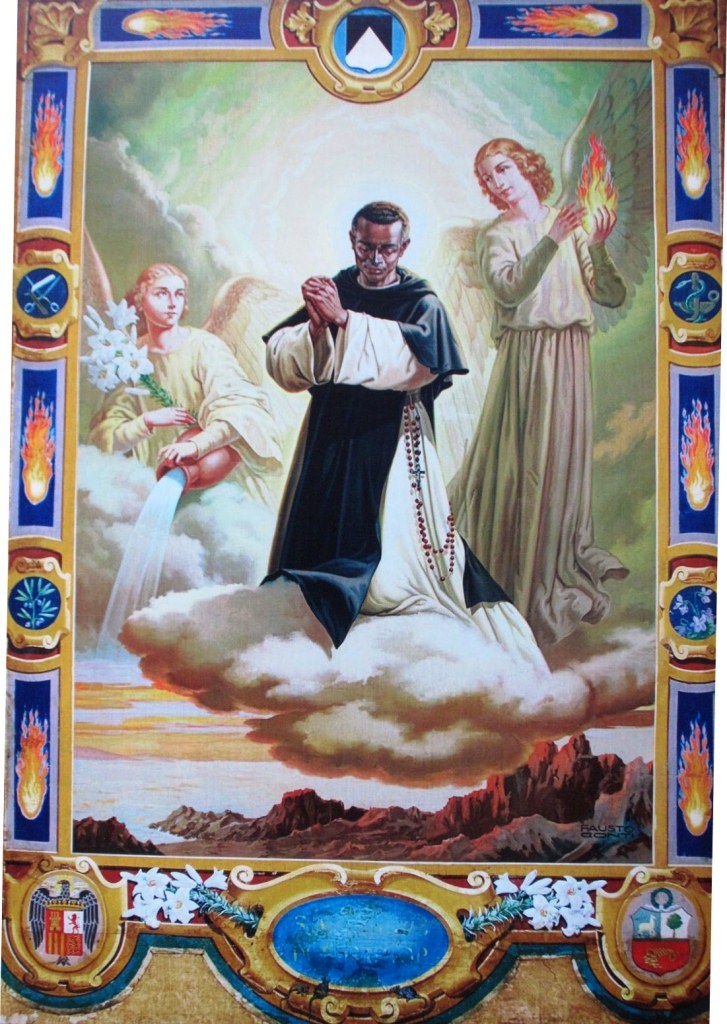


Life, ministry, and character
Martin worked in the convent infirmary and in hospitals, tending wounds, preparing medicines and providing comfort to the marginalized. He learned and practiced barber-surgeon trades, a common role in his time, which connects him historically to modern barbers and hairdressers. He became known for simple, tireless acts of charity, caring for children, prisoners and the sick, and for advocating practical compassion where social inequalities were stark.
Accounts from his life emphasize humility, strict personal discipline, and an unusual rapport with animals and the poor. Traditions attribute healing and other extraordinary favors to him; whether described as miracles or pious legends, these reports helped spread his reputation beyond Lima. His ministry has been interpreted as an early witness to concerns we would now call social justice and positive race relations in a multicultural colonial society.
Veneration and feast
Martin de Porres was beatified and later canonized by the Catholic Church, and he is officially recognized as a patron saint for several causes. His feast day is observed on November 3, when many communities hold special devotions and public commemorations. Pilgrims frequently visit the convent and the basilica of Santo Domingo in Lima where objects and memorials associated with him are kept. Local parishes and charitable organizations often mark his day with service projects and feast day ceremonies.
Patronages, legacy and significance
- Patron of social causes and the poor; a symbol for those working in healthcare and social ministry.
- Special patronage for African-descended Catholics and for efforts aimed at racial reconciliation.
- Honored by those in grooming trades because of his work as a barber and barber-surgeon.
Martin de Porres stands as a historically rooted example of grassroots charity and interethnic solidarity in colonial Latin America. His legacy continues in hospitals, schools and parish ministries that cite his example when serving people on society’s margins. For those studying religious life, pastoral outreach, or the history of colonial Peru, his life offers a concise portrait of how ordinary skills and sustained compassion can shape enduring spiritual and social influence.
Related articles
Author
AlegsaOnline.com Martin de Porres: Peruvian Dominican Brother, Caregiver, and Patron of Social Justice Leandro Alegsa
URL: https://en.alegsaonline.com/art/62359
Sources
- notablebiographies.com : "Martín Porres Biography"
- americancatholic.org : "St. Martin de Porres"