
The Godfather (1972) — film overview, themes, and legacy
The Godfather (1972), directed by Francis Ford Coppola from Mario Puzo's novel, is a landmark American crime film tracing the Corleone family's rise and Michael Corleone's transformation into a Mafia boss.
Overview
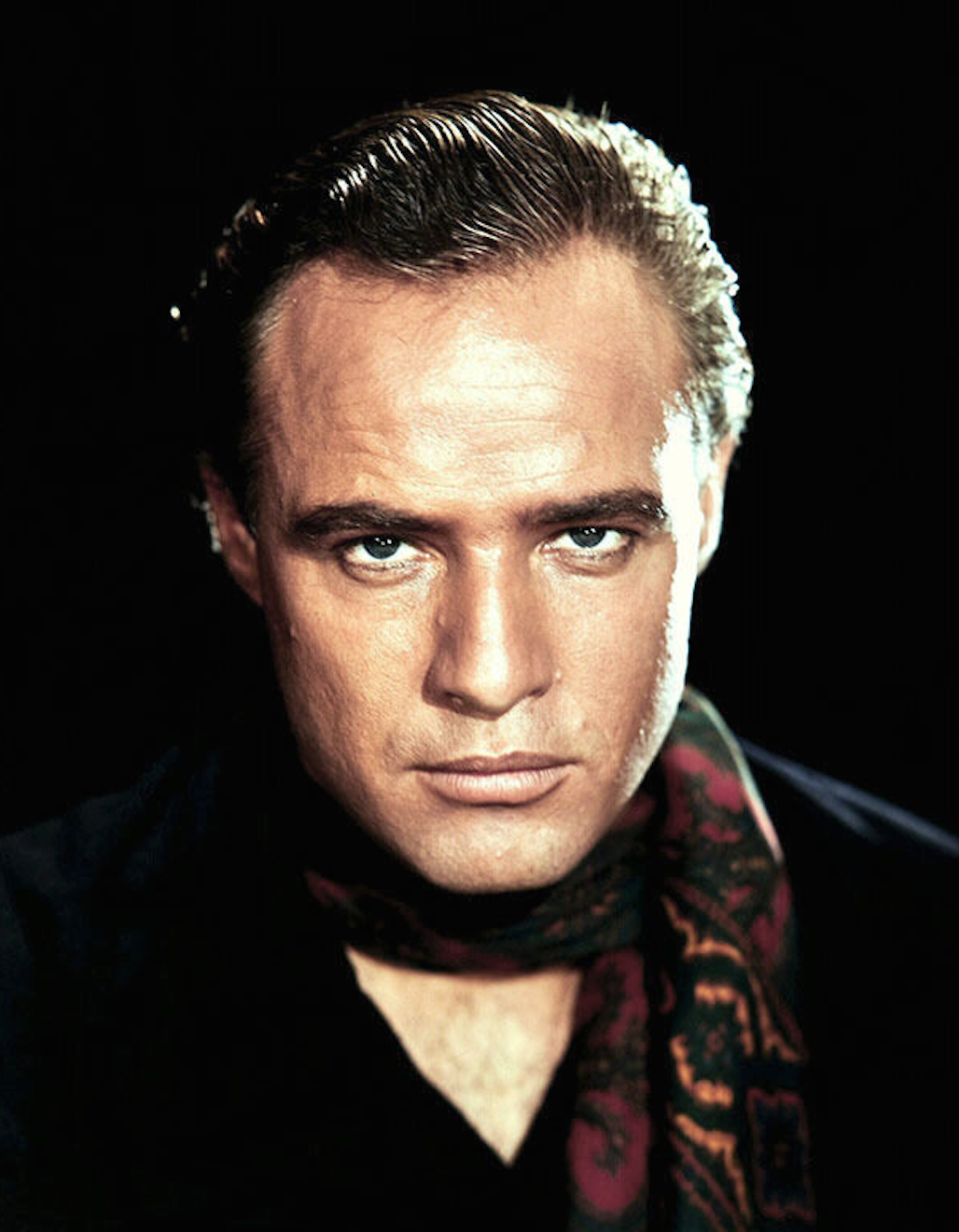
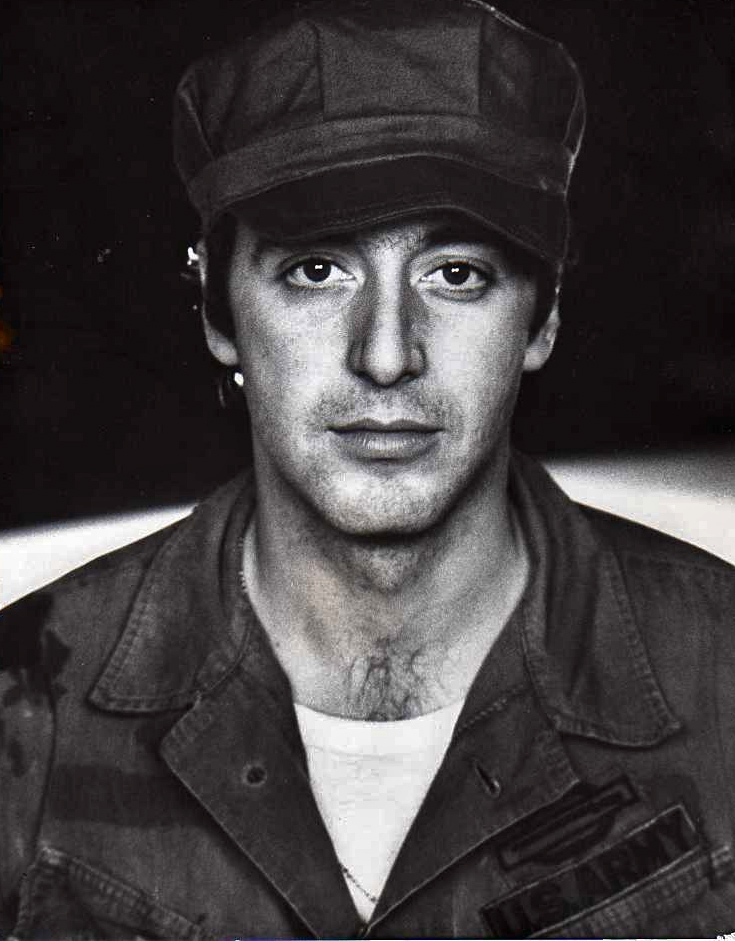
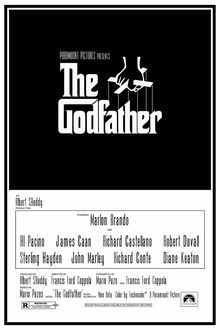
1972 saw the release of The Godfather, a landmark American crime film directed by Francis Ford Coppola. The picture adapts a best-selling work by Mario Puzo, based on his novel, with the screenplay credited to Puzo and Coppola (screenplay). The performances of Marlon Brando and Al Pacino anchor the film, which follows an Italian-American crime family in mid-20th-century New York.
Image gallery
10 Images




Plot and structure
The narrative centers on the Corleone family and the transformation of Michael Corleone from decorated war veteran into the family's head. The story opens with a wedding and moves through violence, negotiations, and betrayal, culminating in Michael’s consolidation of power by the mid-1950s. Several sequences, such as the wedding introductions and the intercut baptism and assassinations, are frequently cited for their formal daring and thematic compression.
Production and release
Produced by a major studio, the film benefited from a deliberate visual approach (noted for its low-key lighting and careful composition) and a memorable score. Early casting and production choices were debated, but the final ensemble created enduring screen personas. The film received major awards, including Academy recognition for Best Picture and acting and writing honors, and launched a multi-film trilogy. Its subject matter focuses on organized crime and the American underworld often labeled broadly as the Mafia.
Themes and style
At its core, the film explores power, family loyalty, identity, and the moral compromises of the American Dream. Stylistically it mixes intimate domestic scenes with brutal moments of violence, creating a contrast that underscores how private values and public crime intertwine. Dialogue, economy of plotting, and symbolic editing contribute to its reputation as a cinematic benchmark.
Legacy and influence
The Godfather is widely regarded as one of the most influential films in modern cinema. It reshaped expectations for crime dramas, influenced television and film portrayals of organized crime, and contributed phrases, images, and character types to popular culture. Directors, critics, and audiences often cite it in lists of the greatest films ever made.
Main cast and notable honors
- Marlon Brando as Vito Corleone (Brando)
- Al Pacino as Michael Corleone (Pacino)
- James Caan, Robert Duvall and others in key supporting roles
For readers seeking deeper context on the director, author, and screenplay, each is widely discussed in film histories and biographies. Further reading and archival materials are available through curated film study resources and dedicated retrospectives (genre histories, director profiles, and author studies like Puzo).
Questions and answers
Q: Who directed The Godfather?
A: The Godfather was directed by Francis Ford Coppola.
Q: What is the movie based on?
A: The movie is based on Mario Puzo's novel of the same name.
Q: Who wrote the screenplay for The Godfather?
A: Mario Puzo and Francis Ford Coppola wrote the screenplay.
Q: Who are the lead stars in The Godfather?
A: Marlon Brando and Al Pacino are the lead stars in The Godfather.
Q: What is The Godfather about?
A: The Godfather is about the history of the Corleone crime family, taking place up to Michael Corleone becoming crime boss in 1955.
Q: Is there a trilogy associated with this movie?
A: Yes, The Godfather is part of a trilogy. It is considered to be the first movie in that series.
Q: How has this movie been received by critics and audiences alike?
A: Critics and audiences have both praised this movie as one of the greatest movies of all time, as well as being hailed as one of best gangster movies and movies about organized crime (the Mafia).
Related articles
Author
AlegsaOnline.com The Godfather (1972) — film overview, themes, and legacy Leandro Alegsa
URL: https://en.alegsaonline.com/art/98058