
Marilyn McCord Adams (1943–2017)
American philosopher and Episcopal priest known for work on the problem of evil, medieval philosophy, and the influential book Horrendous Evils and the Goodness of God.
Overview
Marilyn McCord Adams was an American analytic philosopher, medievalist, and ordained minister whose work addressed central questions in the philosophy of religion and philosophical theology. She is widely cited for bringing rigorous analytic methods to problems of suffering and divine goodness while remaining attentive to pastoral concerns. In academic and church contexts she is frequently identified as a philosopher who wrote on the philosophy of religion and contributed to philosophical theology, and as a priest in the Episcopal Church.
Image gallery
4 Images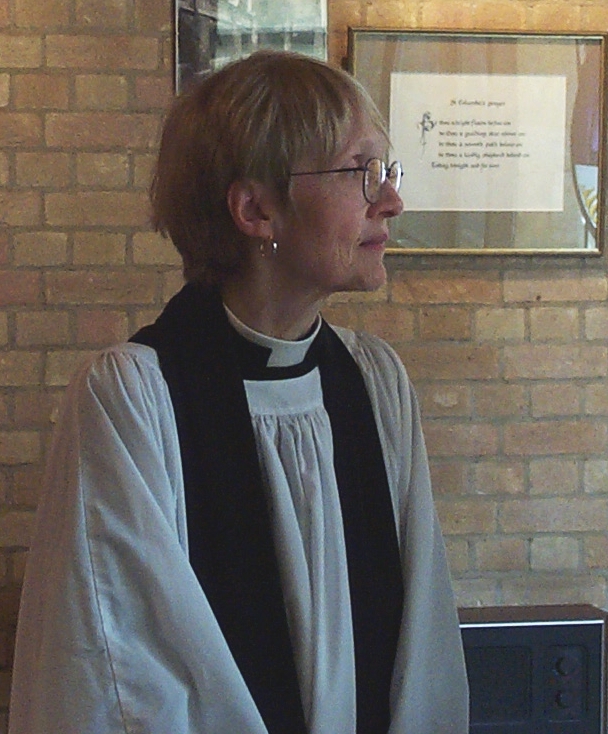


Early life and education
Adams was born on October 12, 1943 in the United States. Her higher education combined work in philosophy and theology. She studied at the University of Illinois and at Cornell University, pursued theological training at Princeton Theological Seminary, and completed further studies at Oxford University. This diverse formation shaped a career that moved between historical scholarship on medieval thinkers and contemporary analytic reflection.
Academic career and interests
Adams held academic positions and produced scholarship that spanned medieval philosophy, metaphysics, ethics, and theodicy. Her work on medieval authors used close textual study to illuminate historical doctrines and to inform present-day debates. She combined historical scholarship with analytic clarity, showing how careful attention to earlier theological and philosophical texts can bear on modern concerns about evil, suffering, and divine action.
Horrendous evils and major publication
Her best-known book, Horrendous Evils and the Goodness of God (1999), addresses whether a perfectly good and omnipotent deity can be reconciled with exceptionally severe forms of suffering. Adams introduced the phrase "horrendous evils" to describe experiences that threaten to render life meaningless for the sufferer. Rather than offering a single traditional theodicy, she argued that the meaning-restoring possibilities found in a personal good and transformative relation with the divine could respond to the deepest cases of suffering. Her approach blends philosophical argument with theological resources and a sensitivity to the lived reality of pain.
Medieval scholarship
Alongside her work on evil, Adams was an accomplished scholar of medieval philosophy. She wrote on topics in medieval metaphysics, the ethics and theology of classical Christian thinkers, and the historical development of theological ideas. Her publications show how historical questions about divine attributes and human destiny can be fruitfully engaged through analytic methods.
Theological perspective and pastoral engagement
Ordained in the Episcopal Church, Adams combined professional philosophy with pastoral commitments. She insisted that philosophical reflection on suffering should remain responsive to the experiences of those who grieve. Her work is notable for treating abstract arguments and concrete pastoral concerns as mutually informing rather than opposed.
Personal life and recognition
In 1966 she married fellow philosopher Robert Merrihew Adams, and the couple were prominent figures in contemporary Anglo-American philosophy. Colleagues and students remember Marilyn McCord Adams for her moral seriousness, clarity of thought, and deep concern for persons facing severe trials. Her writings are widely taught and discussed in courses on theodicy, analytic theology, and medieval thought.
Death and legacy
Adams died on March 22, 2017 in Princeton after a period of illness attributed to cancer. Her work continues to influence debates about the problem of evil, the meaning of suffering, and the relation between historical theology and contemporary analytic philosophy. Scholars cite her book on horrendous evils as a key intervention that reshaped how philosophers and theologians approach the very worst kinds of human suffering.
Selected themes and further reading
- Horrendous Evils and the Goodness of God — central statement of her view on suffering and divine goodness.
- Medieval philosophy: studies connecting historical texts to current metaphysical and ethical debates.
- Philosophy of religion and philosophical theology: contributions to discussions of omnipotence, divine benevolence, and human meaning.
- Public role and ministry in the Episcopal Church—integration of pastoral care and scholarly work.
For those seeking introductions and bibliographies, specialist surveys in the philosophy of religion and analytic theology offer overviews of her arguments and the subsequent literature responding to them. Academic collections and journal symposia continue to explore both her historical scholarship and her work on horrendous evils, underscoring a legacy that bridges academy and church.
Related articles
Author
AlegsaOnline.com Marilyn McCord Adams (1943–2017) Leandro Alegsa
URL: https://en.alegsaonline.com/art/61911
Sources
- matherhodge.com : "Obituary of Rev. Dr. Marilyn Adams"