
Marina Tsvetaeva: Russian poet of passion, exile, and stylistic innovation
Concise overview of Marina Tsvetaeva (1892–1941): her life across the Silver Age, emigration and return, poetic style, major forms, and legacy in twentieth‑century Russian literature.
Overview
Marina Ivanovna Tsvetaeva was a Russian poet whose intense, private lyric and formal daring mark her as one of the leading voices of the Russian Silver Age. Her name in Russian appears in many sources as Мари́на Ива́новна Цвета́ева. She is widely discussed for the emotional force of her verse, the individuality of her voice and the technical inventiveness of her prosody.
Image gallery
10 Images


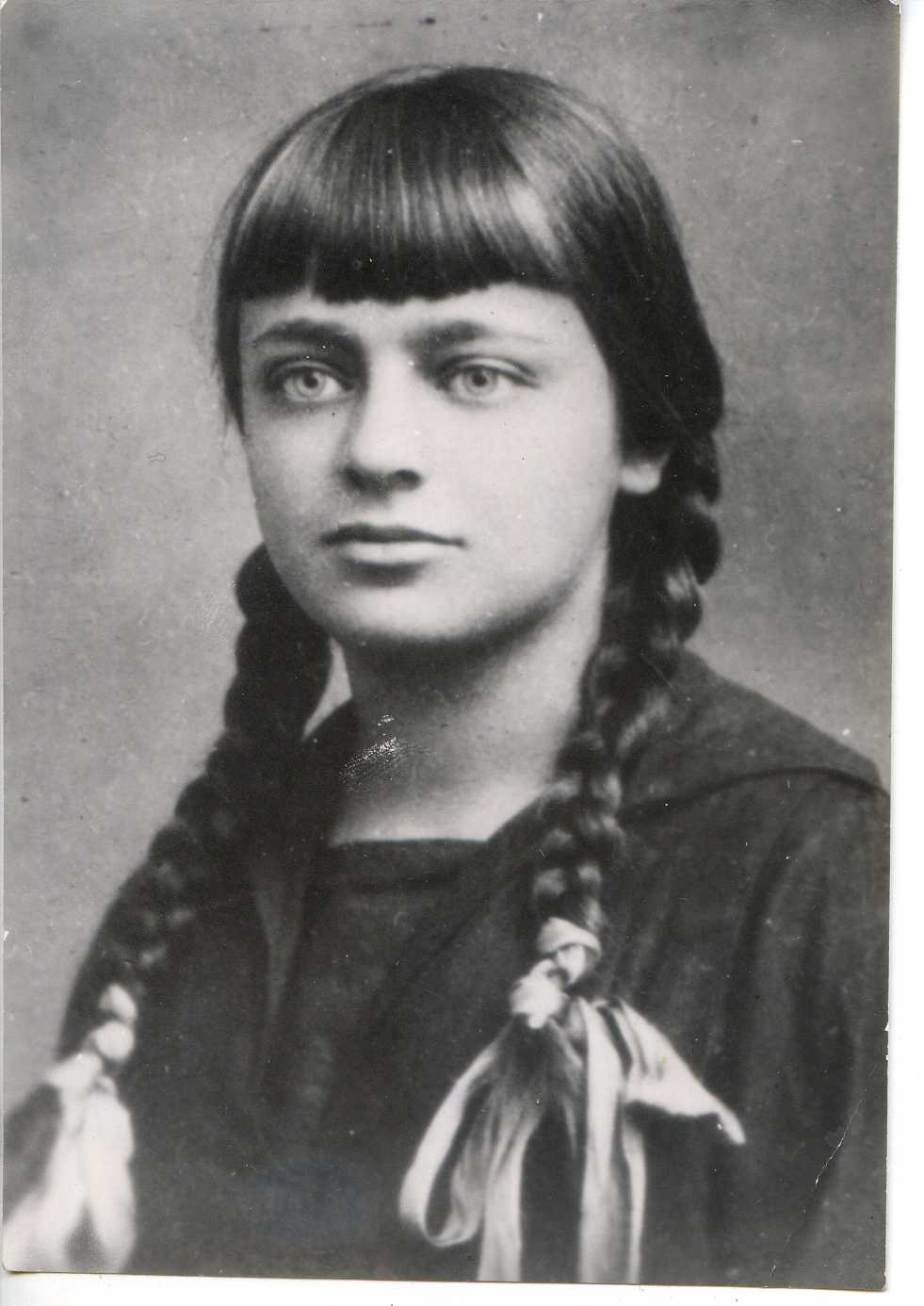


Early life and literary context
Tsvetaeva grew up in a cultured household at a time of intellectual ferment in late imperial Russia. She came of age among the modernist circles often grouped under the Silver Age and had literary connections with contemporaries such as Anna Akhmatova and Boris Pasternak. Official records and some biographies cite dates using the old Russian calendar; older accounts may note the difference with an old‑style date notation.
Poetic style and themes
Her poetry is characterised by passionate address, compressed imagery and deliberate rhythmic shifts. Tsvetaeva wrote short lyrics, dramatic monologues and long sequences in which syntax, rhyme and tempo are used expressively to convey desire, grief, familial ties and the artist’s vocation. Mythic allusion, autobiographical detail and startling linguistic turns recur throughout her work.
Emigration, return and later years
The upheavals of revolution and civil war forced Tsvetaeva into long years abroad; she lived for extended periods in European cities common to Russian émigré life. She returned to the Soviet Union in the later 1930s under difficult personal and political circumstances and died in 1941. Her biography—marked by hardship, bereavement and isolation—deeply informs readings of her poems.
Forms, prose and translation
Beyond verse, she produced essays, correspondence and autobiographical prose that illuminate her methods and reputation. Translators often remark on the difficulty of rendering her sound patterns and syntactic density, so readers encounter distinct versions of the same poems in different languages. Her work has been adapted for theatre, song and radio, and remains a subject of active scholarly study.
Reception and legacy
Tsvetaeva is regarded as a major modernist voice in Russian letters. Critics highlight her moral urgency, technical experimentation and the uncompromising subjectivity of her work. Later poets, translators and performers continue to engage with her poems, and her life story figures frequently in cultural histories of the period.
Notable facts
- Associated with the Silver Age of Russian poetry and admired for formal innovation.
- Wrote across short lyrics, dramatic monologues and extended poetic cycles, and produced significant prose and letters.
- Experienced long emigration, a problematic return to the Soviet Union and a life often described as marked by hardship and intense creative commitment.
This entry summarises widely attested aspects of Tsvetaeva's life and work while avoiding disputed or narrowly sourced details. For fuller study, consult specialist biographies and annotated collections of her poems.
Related articles
Author
AlegsaOnline.com Marina Tsvetaeva: Russian poet of passion, exile, and stylistic innovation Leandro Alegsa
URL: https://en.alegsaonline.com/art/61931