
Marilyn Mason — American Concert Organist and Educator (1925–2019)
American concert organist, recording artist and longtime University of Michigan professor who led its organ department and taught for 67 years.
Overview
Marilyn May Mason (June 29, 1925 – April 4, 2019) was an American organist and concert performer, recording artist and teacher. Born in Alva, Oklahoma, she became widely known for a long career that combined recital work, studio recordings and academic leadership. She died in Fort Lauderdale, Florida at age 93.
Image gallery
2 Images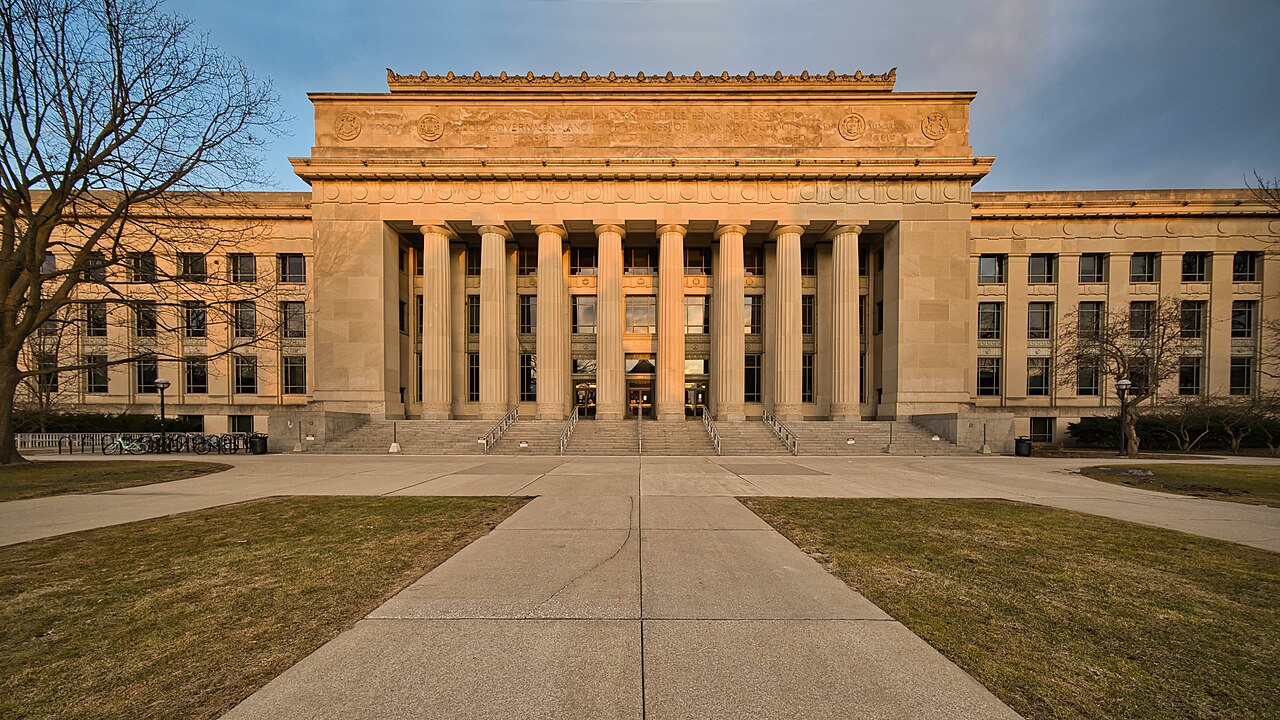

Career at the University of Michigan
Mason joined the faculty of the University of Michigan in Ann Arbor in 1947. Over the decades she rose to department chair in 1962 and was promoted to full professor in 1965. She retired in 2014 after 67 years on staff, a tenure that made her one of the longest-serving members in the university's history.
Teaching, Pedagogy and Influence
Mason was respected for her emphasis on solid technique, stylistic awareness and thoughtful programming. Her teaching shaped multiple generations of organists by combining traditional pipe-organ repertoire with attention to modern works and practical performance skills. Colleagues and students have noted her steady leadership in curriculum development and concert programming.
Recordings and Repertoire
As a recording artist Mason documented a wide-ranging repertoire, from baroque masters to 20th-century composers. Her discography and recital programs reflected both historical performance practices and contemporary music of her time, helping to broaden audiences for organ literature beyond church services into the concert hall and recording studio.
Legacy and Notable Facts
Mason's legacy rests on three linked accomplishments: performance, recorded output and pedagogy. Highlights include long-term stewardship of a major university organ program, a sustained recording career, and a reputation for mentoring students who pursued professional careers. She is often cited as a model of combining scholarly teaching with active performing.
- Born: June 29, 1925, Alva, Oklahoma
- University of Michigan faculty from 1947; department chair (1962); promoted to professor (1965)
- Retired 2014 after 67 years; died April 4, 2019 in Fort Lauderdale
For further reading or event listings related to Mason's recordings and performances consult archived programs and collections hosted by university libraries and music organizations. Relevant institutional pages and catalogues can provide primary sources and complete discographies. Organist profiles and historical concert listings may offer additional context.
Related articles
Author
AlegsaOnline.com Marilyn Mason — American Concert Organist and Educator (1925–2019) Leandro Alegsa
URL: https://en.alegsaonline.com/art/61910
Sources
- record.umich.edu : "Music professor retires after record-breaking 67 years"
- obits.mlive.com : "Marilyn Mason"