
Chairperson
An overview of the chairperson: the presiding officer of meetings and boards, their duties, selection, variations (corporate, parliamentary, academic), and practical distinctions.
A chairperson is the individual who presides over deliberative assemblies, boards, committees, or formal meetings. The role is primarily procedural: to guide discussion, maintain order, ensure that the agenda is followed, and that decisions are made according to the organization's rules. While the word "chairman" has long been common, many organizations now prefer gender-neutral alternatives such as "chair", "chairperson", or "chairwoman" depending on context and preference.
Image gallery
5 Images


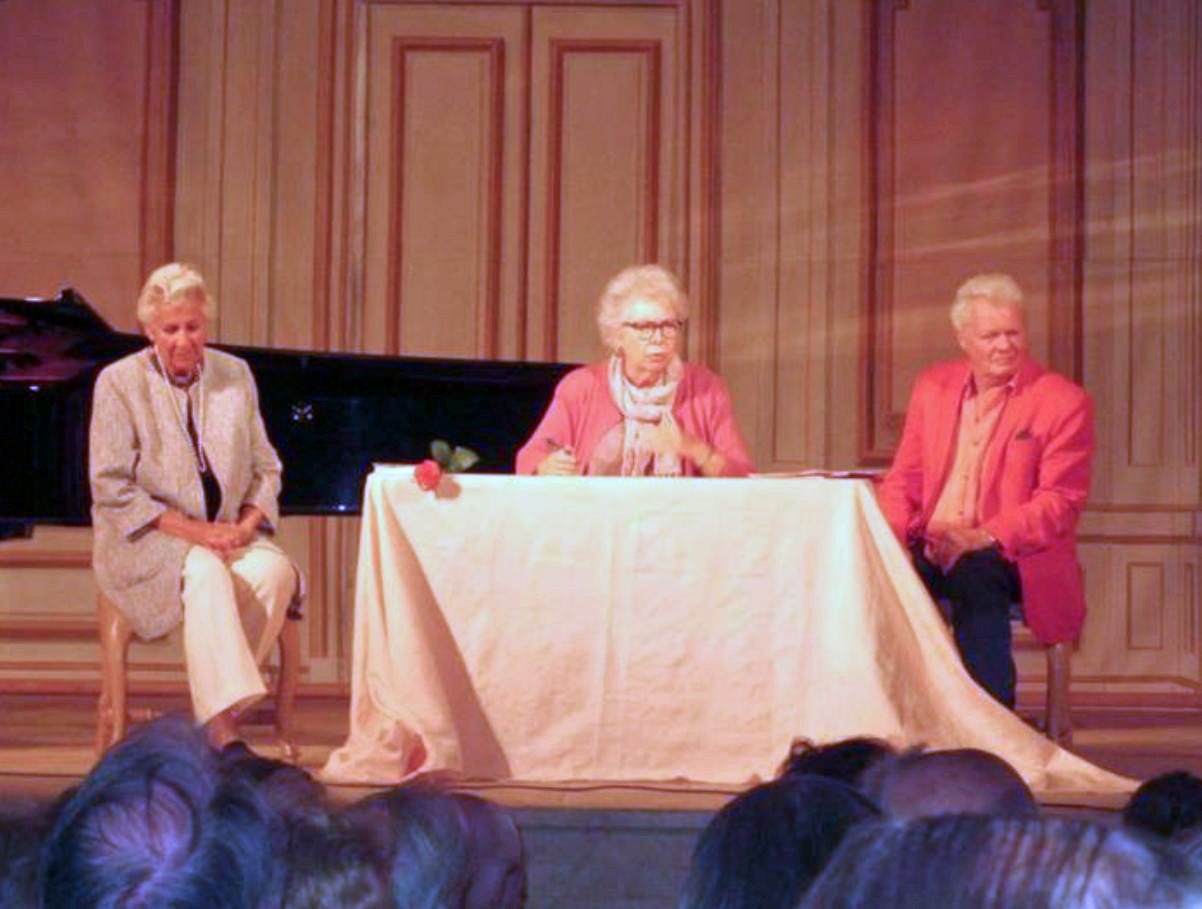
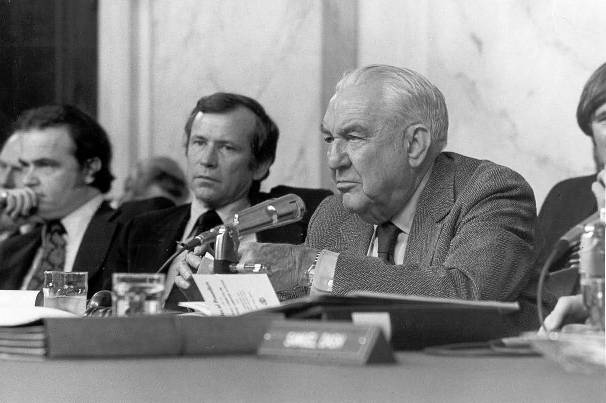
Core duties and conduct
The duties of a chairperson typically combine procedural, managerial and representational tasks. Procedural duties include opening and closing meetings, recognizing speakers, putting questions to a vote, and ensuring accurate minutes are kept. Managerial duties may involve setting agendas, coordinating with staff or executives, and checking that follow-up actions are taken. As a representative, the chairperson may speak for the body in external relations or signal the board's position to stakeholders.
- Preside over meetings and enforce rules of order.
- Prepare or approve the agenda and ensure timely discussion.
- Facilitate fair debate and protect minority rights within the meeting.
- Announce and record decisions; ensure implementation of resolutions.
Authority, selection and rules
A chairperson’s authority is defined by the organization’s charter, bylaws, standing orders or adopted procedures. For many bodies, formal rules such as Parliamentary procedure (e.g., recognized manuals of order) shape how the chair manages motions, debate, and votes. Selection methods vary: chairs may be elected by the membership, appointed by another body, or chosen by rotation. In some assemblies the chair has only a casting vote in the event of a tie; in others the chair participates fully in debate and voting.
Corporate, parliamentary and academic contexts
In corporations the chairperson often presides over the board of directors and leads board meetings; this role is distinct from the chief executive. In many companies the board chair is a non-executive officer, providing oversight and strategic guidance rather than day-to-day management. See the distinction between the board chair and the chief executive officer for governance practice. Parliamentary bodies and legislatures use the term "presiding officer" or "speaker" for chairs who apply formal rules to large deliberative assemblies. In academia, "chair" can also refer to an endowed professorship or the head of an academic department, a related but different usage.
Variations, neutrality and best practice
Different arrangements exist: an executive chair may combine strategic leadership with executive functions, while a non-executive or independent chair focuses on governance and oversight. Some organizations use a rotating chair for committees to spread responsibility. Good practice stresses impartiality while presiding, clear agendas, timely distribution of papers, and transparent record-keeping. Bylaws and standing orders are the primary guide; where they are silent, recognized procedural authorities and precedent fill gaps.
Understanding the chairperson’s role helps clarify decision-making, balance leadership and oversight, and supports orderly, fair meetings. For corporate boards consult guidance on board composition and roles, and for formal assemblies refer to standard procedural manuals. Additional resources about governance structures and meeting procedure are commonly available from organizational handbooks and recognized authorities on meetings and corporate law, for example a board of directors primer at relevant guidance.
Questions and answers
Q: What is a chairperson?
A: A chairperson is a person who presides over meetings for a corporation or any other meeting.
Q: What is the role of a chairman in a corporation?
A: The chairman of a corporation only conducts the meetings and is not the chief executive officer.
Q: Can the term "chairman" be used for both men and women?
A: Yes, although some prefer to use the terms "chairperson", "madame chairman", or "chairwoman."
Q: What governs the conduct of meetings?
A: The conduct of meetings is governed by the organization's by-laws or charter, or more formally, Parliamentary procedure for government organizations or large meetings generally.
Q: Is the chairperson ever referred to as "chair"?
A: Rarely, though in educational institutions, a "chair" indicates a specific endowed position on a faculty.
Q: Can the chairperson make executive decisions for a corporation?
A: No, the chairperson only presides over meetings.
Q: What is the difference between a chairperson and a chief executive officer?
A: A chairperson presides over meetings, while a chief executive officer is responsible for the overall management of a corporation.
Related articles
Author
AlegsaOnline.com Chairperson Leandro Alegsa
URL: https://en.alegsaonline.com/art/18353