
Marie Stopes: Scientist, Author and Pioneer of Family Planning
Marie Stopes (1880–1958) was a British palaeobotanist, writer and campaigner whose books, clinics and public advocacy transformed access to birth control and provoked enduring debate about eugenics and sexual reform.
Overview
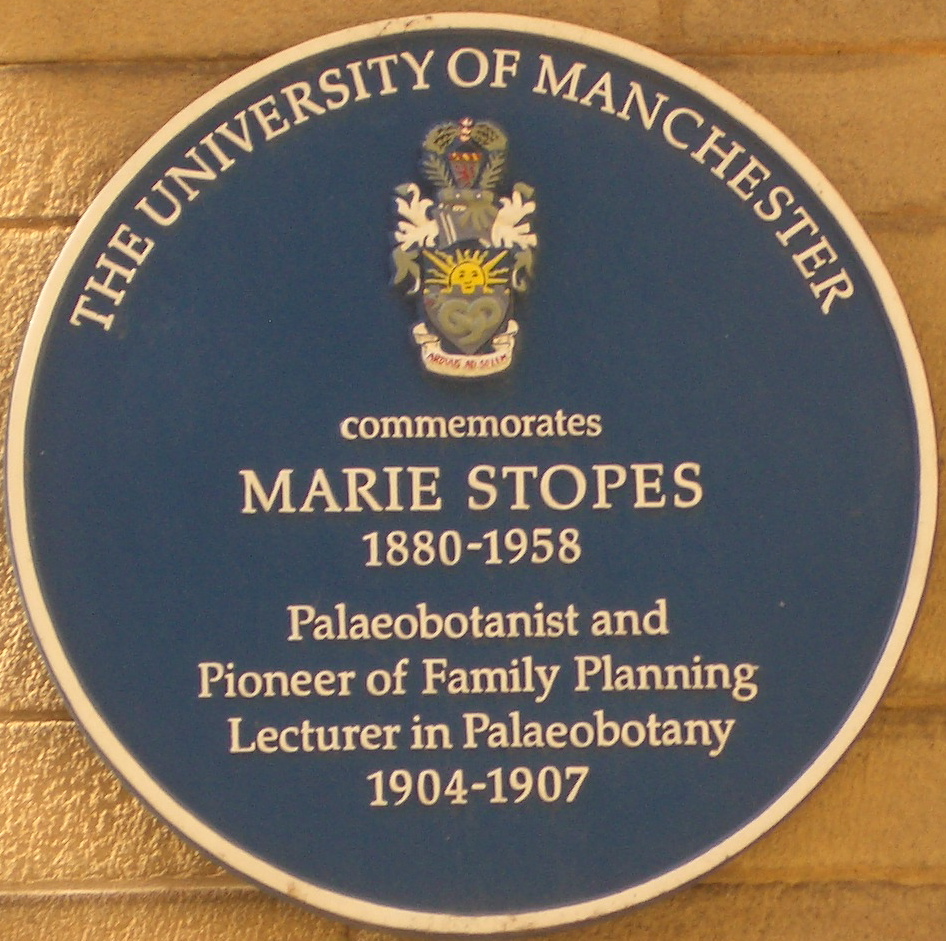
Marie Carmichael Stopes (born in Edinburgh, 15 October 1880; died in Dorking, 2 October 1958) was a British palaeobotanist, author and campaigner for birth control. She combined a scientific career with popular writing and direct service provision, and her work was influential in Britain and across the British Empire. Her life and legacy are marked both by substantial contributions to public health and by controversies over some of her social ideas.
Image gallery
7 Images


Scientific career
Trained as a botanist and palaeontologist, Stopes published research on fossil plants and plant reproduction that established her as a serious scientist in the early 20th century. Her academic work addressed the structure and evolution of ancient plants and contributed to understanding of coal-forming floras. She continued to value scientific methods even as she shifted public attention toward social reform.
Campaign for birth control
Disturbed by the health and social effects of frequent childbirth, Stopes argued that accessible contraception was essential to family well‑being. She used popular books, lectures and a newsletter to explain sexual relations and methods of prevention. In 1918 she published the widely read book Married Love, which broke social taboos by discussing intimacy and practical matters of contraception. In the early 1920s she helped establish one of Britain’s first clinics dedicated to family planning, making services available to women who previously had few options.
Publications and public reaction
- Married Love (popular manual on marriage and sexual relations) — helped open public discussion.
- Birth Control News (newsletter) — disseminated information and practical advice.
- Scientific papers — on fossil plants and reproductive morphology.
Her frank tone and insistence on public access to contraception earned both praise and fierce opposition from religious, medical and political voices. Stopes engaged in legal and rhetorical battles to protect clinics and the right to publish guidance on sexual health.
Legacy and controversies
Stopes is widely regarded as a founder of modern family planning in Britain: clinics modeled on her approach spread and her writings influenced public attitudes toward contraception. At the same time, aspects of her thought—particularly her support for some eugenic ideas and selective reproductive policies—have prompted sustained criticism and reappraisal. Institutions and movements that trace roots to her work continue to provide reproductive health services while acknowledging this mixed legacy.
Notable facts
- She combined scientific research with popular education and practical service delivery.
- Her writings brought conversations about marriage and contraception into mainstream discourse.
- Her advocacy led to clinics and organizations that continued to expand access to reproductive care after her death.
Further reading and archival sources can be consulted for a full account of her scientific publications, campaigns, and the institutions that grew from her work. For introductory material, see biographies and histories of early 20th‑century family planning movements that assess both her achievements and the controversies surrounding her social views.
Questions and answers
Q: Who was Marie Stopes?
A: Marie Stopes was a British palaeobotanist, author, and campaigner for birth control.
Q: What were some of Marie Stopes' accomplishments?
A: Marie Stopes founded British family planning, published a newsletter called Birth Control News and a book called Married Love, and founded the organization Marie Stopes International.
Q: What was the purpose of Marie Stopes' newsletter, Birth Control News?
A: The purpose of Marie Stopes' newsletter, Birth Control News, was to promote birth control in Britain and throughout the British Empire.
Q: What battles did Marie Stopes fight in print?
A: Marie Stopes fought many battles in print with those whose opinions differed from hers regarding birth control.
Q: Why is Marie Stopes significant?
A: Marie Stopes is significant because she was the founder of British family planning and played an important role in promoting birth control in Britain and throughout the British Empire.
Q: What was the name of Marie Stopes' book about birth control?
A: Marie Stopes' book about birth control was called Married Love.
Q: What organization did Marie Stopes found?
A: Marie Stopes founded an organization called Marie Stopes International.
Related articles
Author
AlegsaOnline.com Marie Stopes: Scientist, Author and Pioneer of Family Planning Leandro Alegsa
URL: https://en.alegsaonline.com/art/61876
Sources
- mariestopes.org : Marie Stopes International
- mariestopes.org.uk : Marie Stopes UK site
- mariestopes.org : Marie Stopes International
- wikidata.org : wikidata.org/wiki/Q442231
- catalogo.bne.es : XX1447020
- catalogue.bnf.fr : cb12318386g
- data.bnf.fr : (data)
- ipni.org : Stopes
- ci.nii.ac.jp : DA0200645X
- d-nb.info : 121726940
- isni.org : 0000 0001 0775 2465
- id.loc.gov : n50047340
- id.ndl.go.jp : 00457843
- aleph.nkp.cz : jn20001227209
- nla.gov.au : 35527117