
Birth control (contraception and family planning)
Methods and practices that prevent pregnancy and help plan childbearing, including types, effectiveness, history, social importance, and considerations for choosing a method.
Overview
Birth control, also known as contraception or family planning, refers to methods that reduce the chance of pregnancy and allow people to plan if and when to have children. Contraception separates sexual activity from conception so partners can engage in sex without causing pregnancy. It is used to delay, space, limit, or avoid childbirth and supports reproductive autonomy and public health objectives related to pregnancy.
Image gallery
10 Images


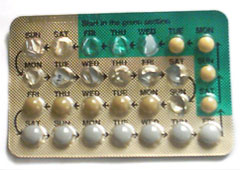




Common types and how they work
- Barrier methods: Condoms, diaphragms and sponges block sperm from entering the uterus. Male and female condoms also offer partial protection against sexually transmitted infections (STIs/STDs), while others do not. Condoms are an accessible barrier option (condoms).
- Hormonal methods: Pills, patches, injections and implants use hormones to prevent ovulation or thicken cervical mucus. They are reversible but require medical guidance for safe use.
- Intrauterine devices (IUDs): Small devices placed in the uterus that may be hormonal or copper-based; effective for years and reversible on removal.
- Permanent methods: Vasectomy and tubal ligation are surgical options intended as permanent sterilization.
- Behavioral and fertility-awareness: Tracking cycles and avoiding intercourse at fertile times, and emergency contraception used after unprotected sex to reduce pregnancy risk.
Effectiveness, risks and protections
Contraceptive effectiveness varies by method and by how correctly it is used; medical sources distinguish between "perfect use" and "typical use" rates. Side effects and health considerations differ: hormonal methods may cause temporary side effects for some users, while surgical methods are long-term. Only barrier methods such as condoms provide meaningful protection against many STIs (STDs), so dual use (condom plus another method) is commonly recommended when infection risk exists.
History and development
People have used a variety of fertility-control techniques for millennia. Modern contraception expanded rapidly in the 20th century with the development and regulatory approval of the oral contraceptive pill in the 1950s–1960s, the wider availability of condoms, and the refinement of IUDs and implants. Legal, social and medical changes have shaped access and public attitudes, making family planning an element of health policy in many countries.
Uses, access and choosing a method
Contraception is used for personal, medical and societal reasons: to prevent unintended pregnancy, to space births for health or economic reasons, and to manage gynecological conditions. Choosing a method depends on health status, frequency of intercourse, desire for future fertility, side effect tolerance and access to care. Counseling from a clinician can help match an individual or couple to the most appropriate option. Family planning programs and education aim to expand informed choice and safe use (family planning).
Questions and answers
Q: What is birth control?
A: Birth control, also known as contraception or family planning, is a way for a man and woman to have sexual intercourse without the woman getting pregnant.
Q: How does birth control protect against STDs?
A: Some contraceptives, such as condoms, can help protect a person from sexually transmitted diseases (STDs). When people use contraception to prevent STDs and pregnancy, it may be referred to as safe sex.
Q: What is another name for birth control?
A: Birth control is sometimes called family planning.
Q: What does family planning mean?
A: Family planning means that people can choose whether or not they want to have babies. That way, babies and families do not happen by accident.
Q: Is there any other purpose of using birth control besides preventing pregnancy?
A: Yes, some contraceptives can help protect a person from sexually transmitted diseases (STDs). When people use contraception to prevent STDs and pregnancy, it may be referred to as safe sex.
Q: Are there different types of birth control available?
A: Yes, there are many different types of birth controls available including condoms, pills, injections and implants. Each type has its own advantages and disadvantages so it's important to research which one would work best for you before deciding on one.
Q: Is using birth control always effective in preventing pregnancy?
A: No, while most forms of contraception are very effective when used correctly they are not 100% foolproof so it's important to talk with your doctor about what options might work best for you if you're looking for reliable protection against pregnancy.
Related articles
Author
AlegsaOnline.com Birth control (contraception and family planning) Leandro Alegsa
URL: https://en.alegsaonline.com/art/11757