
Marie Thérèse Louise of Savoy, Princesse de Lamballe
Italian-born Princess of Savoy who became Princesse de Lamballe in France, close friend and senior lady-in-waiting to Marie Antoinette, murdered during the September Massacres of 1792.
Overview
Marie Thérèse Louise of Savoy (1749–1792) was a member of the House of Savoy by birth and became known at the French court as the Princesse de Lamballe. Born in Turin, she entered the social circle of the French monarchy through marriage and service, forming a lasting personal and official association with Queen Marie Antoinette. Her life and death have been remembered as emblematic of the violent upheavals of the French Revolution.
Image gallery
10 Images



Family background and marriage
Originally a Princess of Savoy, she married into a family connected to the French royal houses and took the title Princesse de Lamballe. Her marriage linked her to the broader network of the House of Bourbon and brought her permanently to France. At court she was often described as foreign in origin and therefore the subject of both fascination and criticism.
Role at court and relationship with the queen
At Versailles she became one of the queen’s closest companions and occupied one of the most senior female positions in the queen’s household, acting as a confidante and attendant. Her position placed her at the heart of life at the French court and tied her reputation to the fortunes of the royal family in France. Contemporary observers and later historians note her loyalty to Marie Antoinette and how that loyalty influenced both public perception and revolutionary resentment.
Death and immediate aftermath
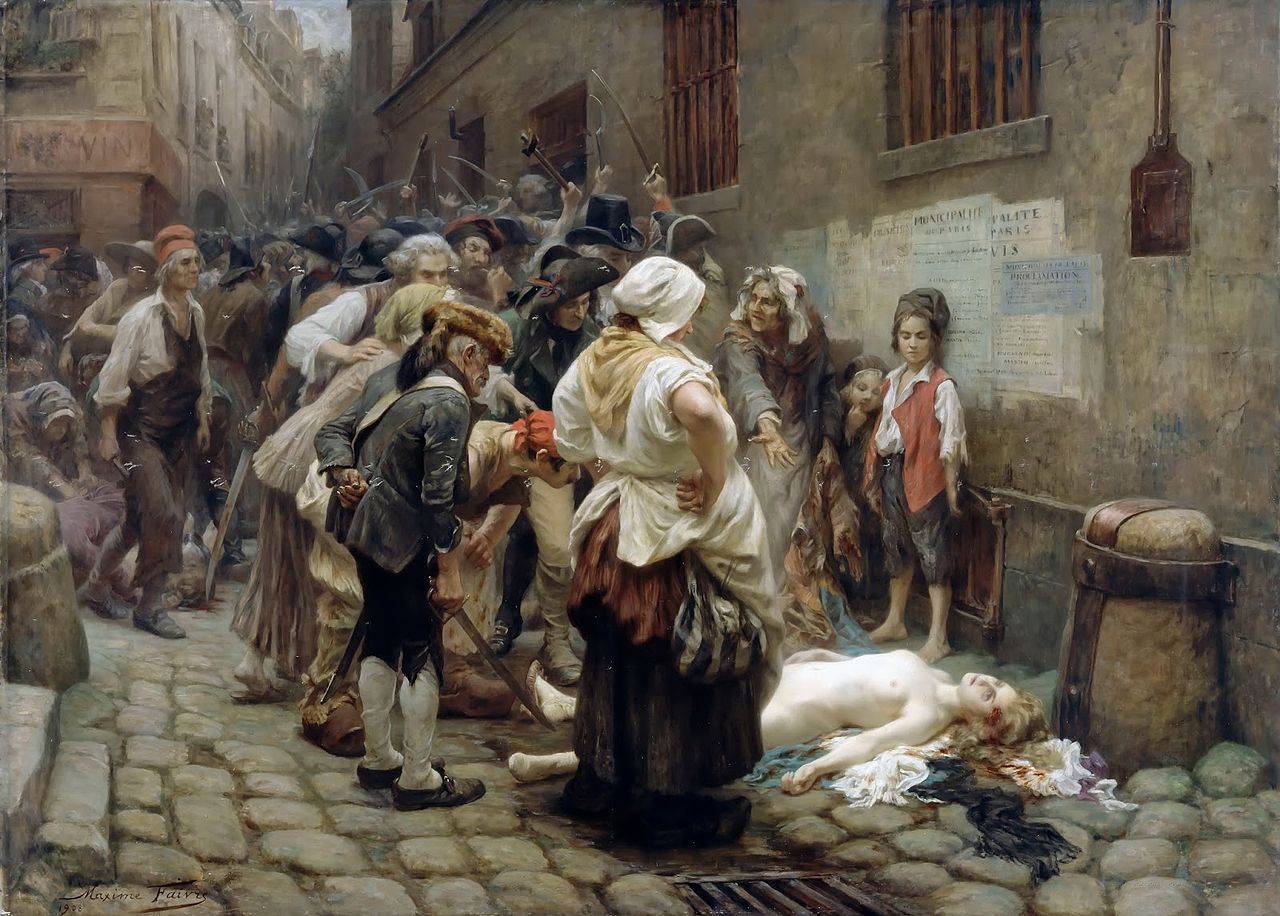
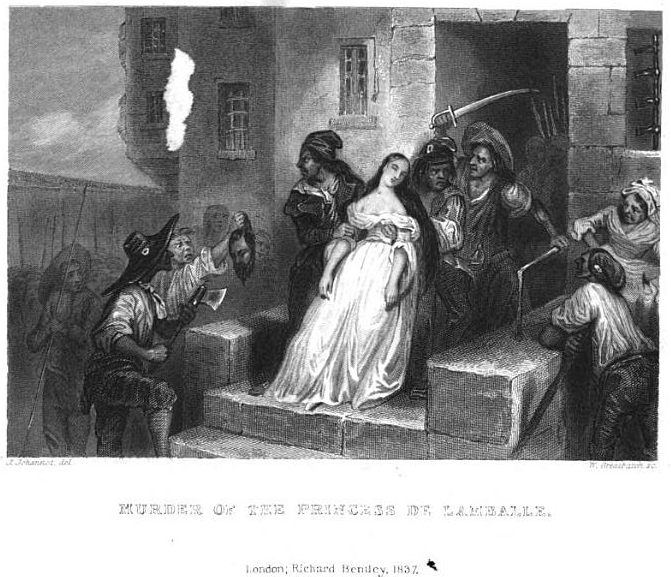
During the revolutionary turmoil of 1792 she was seized and killed in the events known collectively as the French Revolution violence of that year. Her death was violent and widely reported in Europe, and it was used by opponents of the Revolution as proof of its excesses. Anti-royalist feeling had long singled out the Italian-born members of the queen’s circle, who were accused of undue influence and privilege.
Legacy and historical perspective
Historical accounts treat her as both a personal victim of revolutionary fervor and a symbol in political propaganda. Over time historians have sought to separate rumor and later embellishment from verifiable facts, stressing her role at court, her loyalty to the queen, and the broader social and political tensions that led to her death. She remains a figure often discussed in studies of the monarchy, the court of Marie Antoinette, and the cultural memory of the Revolution.
- Born: 1749 in Turin (House of Savoy) — source
- Marriage/Title: Princesse de Lamballe — linked to the Bourbons
- Court: Senior attendant to the queen in France
- Friendship: Close association with Marie Antoinette
- Death: Victim of revolutionary violence in 1792 — context: French Revolution and anti-foreign sentiment
For further genealogical, political, and cultural details consult specialized biographies and archival studies that evaluate surviving correspondence, court records, and contemporary press reports.
Questions and answers
Q: Who was Marie Thérèse Louise of Savoy?
A: Marie Thérèse Louise of Savoy was a Princess of Savoy who later became known as the "princesse de Lamballe" when she was married to Louis Alexandre de Bourbon.
Q: Who was Marie Thérèse Louise of Savoy married to?
A: Marie Thérèse Louise of Savoy was married to Louis Alexandre de Bourbon, a member of the House of Bourbon.
Q: Who was Marie Thérèse Louise of Savoy's friend?
A: Marie Thérèse Louise of Savoy was a close friend of Queen Marie Antoinette.
Q: When was Marie Thérèse Louise of Savoy born?
A: Marie Thérèse Louise of Savoy was born on September 8, 1749.
Q: When did Marie Thérèse Louise of Savoy die?
A: Marie Thérèse Louise of Savoy was killed in the French Revolution on September 3, 1792.
Q: Why was there national hatred towards Marie Thérèse Louise of Savoy?
A: There was national hatred towards Marie Thérèse Louise of Savoy because she was Italian-born and was part of the queen's inner circle along with the Duchess of Polignac.
Q: What was Marie Thérèse Louise of Savoy also known as?
A: Marie Thérèse Louise of Savoy was also known as the "princesse de Lamballe" in France.
Related articles
Author
AlegsaOnline.com Marie Thérèse Louise of Savoy, Princesse de Lamballe Leandro Alegsa
URL: https://en.alegsaonline.com/art/61877