
Maria Holl — Innkeeper and accused in the Nördlingen witch trials
Maria Holl (1549–1634) was a German innkeeper tried for witchcraft in Nördlingen. After repeated torture she refused to confess, was cleared in 1594, and is remembered as an unusual acquittal in the early modern witch trials.
Overview
Maria Holl (born 1549 in Altenstadt near Geislingen) was a prominent tavern-keeper who lived and worked in the walled town of Nördlingen in what is today southern Germany (Germany). During the wave of European witch-hunts that affected many parts of the Holy Roman Empire in the 16th and 17th centuries, Holl was accused of witchcraft. Her case is often cited because she endured repeated torture but refused to admit to having made a pact with the devil and was ultimately released and cleared.
Image gallery
3 Images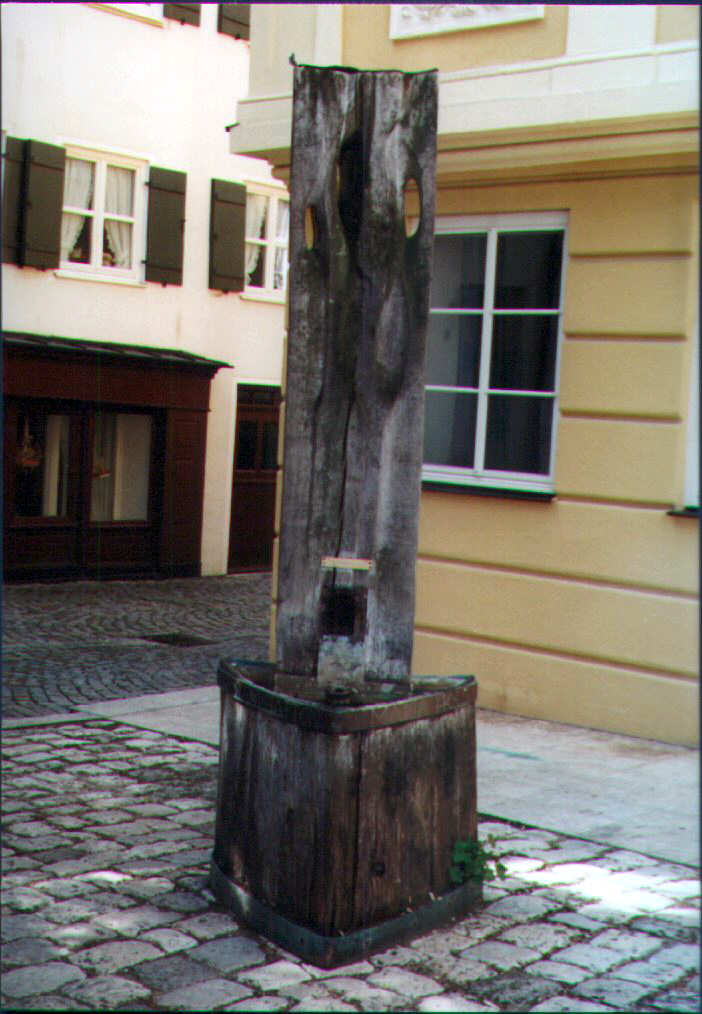


Life and social context
Holl ran a successful tavern in a prosperous market town. In the context of early modern towns, success, outspoken behavior, or the exercise of authority by a woman could become a source of local resentment. Accusations of sorcery were frequently entangled with economic rivalry, gender norms, personal disputes and broader anxieties about disease, crop failure or misfortune. Nördlingen was one of many German towns where such tensions could lead to formal accusations and legal proceedings.
The arrest and interrogation
According to contemporary and later accounts, Maria Holl was subjected to repeated sessions of coercion. Records and chronicles indicate she was tortured many times — traditionally reported as 56 separate applications of torture — yet she did not confess to a diabolical pact or to the crimes alleged against her. Her refusal under pressure distinguished her case from many others in which confession, often extracted under torture, led to execution. The methods used in those tribunals reflected the legal practices of the period; reliance on torture as a means of obtaining a confession was common in continental witch-investigations (torture and interrogation practices).
Acquittal and later life
In spite of the severity of the interrogation, Maria Holl was eventually released and formally cleared of the accusations on October 11 1594. Contemporary reports emphasize that many townspeople supported her or at least questioned the charges, and that popular backing may have contributed to the decision to stop prosecution. After her acquittal she returned to civilian life; later sources record that she died in 1634, probably as a victim of epidemic disease such as the plague (death, 1634).
Significance and legacy
Maria Holl's experience is remembered as an unusual early modern example of an accused person who resisted forced confession and survived the witch-judgment process. Historians use her case to illustrate several broader themes: the role of local politics and economic rivalry in witch accusations; how community support could affect outcomes; and the pervasive use of torture in judicial procedures of the time. While many accused people were convicted and executed, Holl's acquittal shows that outcomes could and did vary.
Notable facts
- Birthplace: Altenstadt near Geislingen (see birthplace).
- Occupation: Innkeeper and tavern operator in Nördlingen.
- Accusation: Charged with witchcraft during late 16th-century trials.
- Torture: Subjected to numerous interrogations and physical coercion (methods reported in period sources).
- Acquittal: Officially cleared on October 11, 1594.
- Death: Died in 1634, probably during an epidemic (1634 death).
For readers seeking further information, regional histories and studies of witchcraft in the Holy Roman Empire place Holl's case within the larger pattern of accusation, interrogation, and community reaction that characterized early modern witch trials. Her story remains a reference point in discussions of judicial practice, gendered persecution, and popular resistance in that era.
Related articles
Author
AlegsaOnline.com Maria Holl — Innkeeper and accused in the Nördlingen witch trials Leandro Alegsa
URL: https://en.alegsaonline.com/art/61813