
Maria Montessori
Italian physician and educator who developed the Montessori method, emphasizing child-led learning, prepared environments, mixed-age classrooms and specially designed materials for self-directed development.
Maria Montessori (31 August 1870 – 6 May 1952) was an Italian physician, educator and innovator in early childhood pedagogy. Trained in medicine at a time when few women entered the profession in Italy, she applied clinical observation and scientific methods to the study of child development. Her work combined attention to individual differences, practical materials and carefully arranged learning environments to support children’s natural tendencies toward exploration and independence. She is best known for founding the first Casa dei Bambini and for promoting a system of education that became internationally influential.
Image gallery
8 Images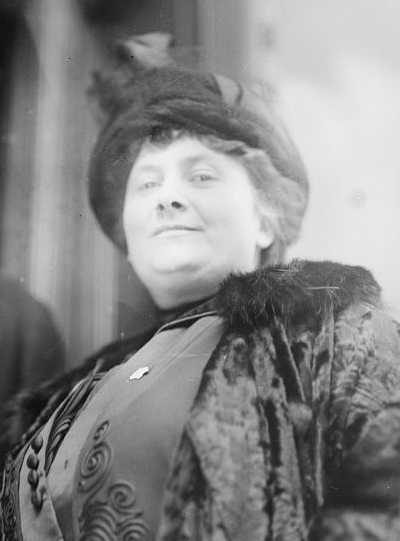


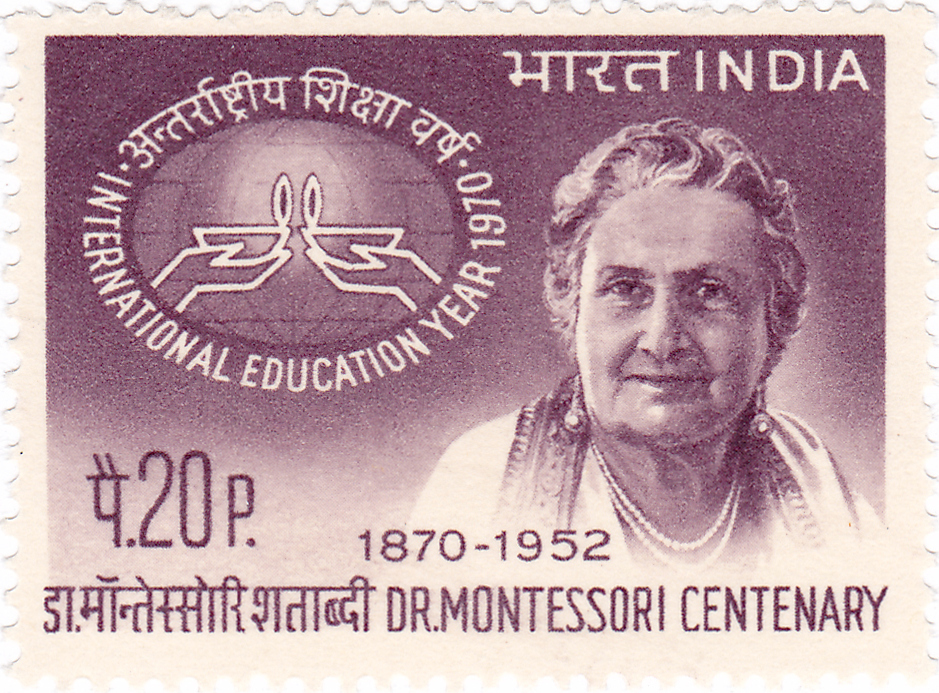


Core principles of the Montessori approach
Montessori’s education philosophy centers on respect for the child and on the belief that freedom within limits fosters development. The approach is built around a small set of interrelated principles that guide classroom design, teacher behavior and material selection:
- Prepared environment: spaces and materials selected to encourage hands-on learning and orderly exploration.
- Auto-education: children learn by doing, choosing activities that match their developmental interests.
- Mixed-age groups: children of different ages learn together, encouraging peer teaching and social development.
- Specialized materials: sensorial and practical tools that isolate concepts and allow self-correction.
- The teacher as guide: adults observe and facilitate rather than direct all activity, intervening only when needed.
Classroom practice and materials
A typical Montessori classroom offers clearly arranged areas for sensory work, practical life skills, language, mathematics and cultural subjects. Materials are usually child-sized, progressively sequenced and designed so learners can see and correct their own errors. Activities emphasize fine motor control, concentration and problem-solving rather than rote memorization. Freedom of movement and choice are balanced by agreed classroom routines and responsibilities, creating a predictable context in which children can develop autonomy.
Origins and development
Montessori’s methods grew from her early professional work with children considered to have intellectual disabilities and from her later work in poor neighborhoods of Rome. In 1907 she opened the first Casa dei Bambini, or “Children’s House,” in the San Lorenzo district, where she observed how children responded to a prepared setting and specially designed materials. Her observations and teaching experiments were shared through lectures, demonstrations and published writings, and they formed the basis of teacher-training programs that spread the method internationally.
Influence, adaptations and legacy
The Montessori approach inspired a global movement of schools and training centers, and it has been adapted for infants, primary, elementary and adolescent education. Advocates credit the method with fostering independence, concentration and intrinsic motivation. Critics and researchers have debated how Montessori classrooms compare to traditional settings on academic measures and how easily the model translates across cultures and public-school systems. Over the decades, practitioners have produced many variations—some strictly faithful to Montessori’s original materials and sequence, others integrating Montessori ideas into broader educational programs.
Further reading and context
Montessori’s life and work are discussed in historical accounts, biographies and education studies; her major instructional texts remain frequent references for teacher education. For a concise biographical overview and links to institutions that preserve her papers and training programs, see sources associated with her Italian background via biographical resources. To learn more about the first Casa dei Bambini and the early classrooms she established, consult materials and archives referenced by practitioners and museums at Montessori school collections.
Related articles
Author
AlegsaOnline.com Maria Montessori Leandro Alegsa
URL: https://en.alegsaonline.com/art/61820
Sources
- amiusa.org : amiusa.org