
Maramureș County, Romania — landscape, culture and heritage
Maramureș County is a northern Romanian administrative unit known for its mountain scenery, wooden churches, rural traditions and cross-border cultural ties with Ukraine.
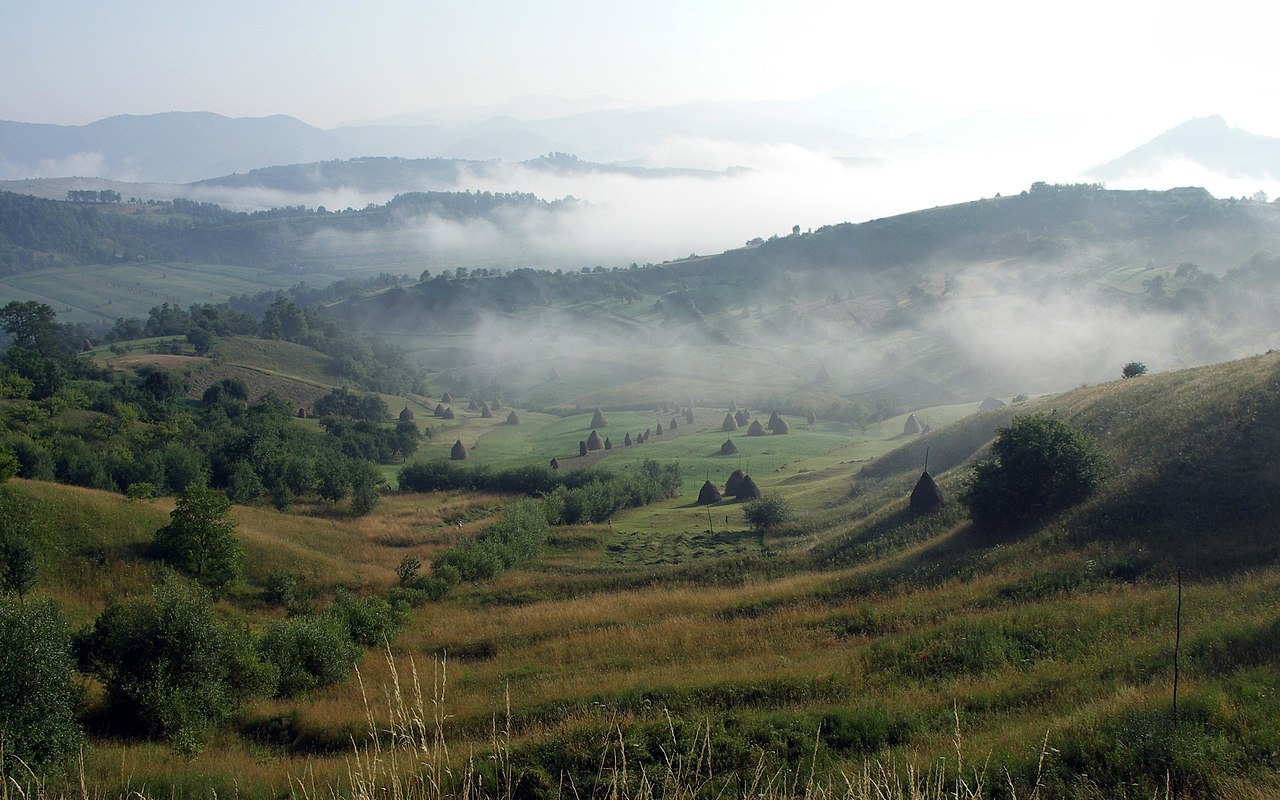
Maramureș is a county (județ) in northern Romania whose administrative seat is Baia Mare. Its location is frequently cited with coordinates 47°40′22″N 24°00′18″E. The area combines high Carpathian ridges, deep valleys and broad depressions where small towns and traditional villages persist.
Image gallery
10 Images




Geography and natural features
The county occupies part of the Eastern Carpathians and the Maramureș Depression. Mountain ranges produce alpine and subalpine environments while lower zones are shaped by rivers such as the Iza, Mara and Vișeu. Forests, pastures and meadowlands dominate rural land use. To the north the county shares a border with Ukraine, creating cross-border ecological and cultural continuity.
History and cultural identity
Maramureș has long been a distinct cultural region. Historically it was part of the medieval Kingdom of Hungary and later the Habsburg realms before becoming part of modern Romania in the 20th century. The area is noted for well-preserved folk traditions: carved wooden gates, embroidered costumes, horsemanship and seasonal festivals reflect a mixture of Romanian, Hungarian and Ukrainian influences.
Architectural and heritage landmarks
One of the county's best-known features is its concentration of wooden churches and peasant architecture, many of which are preserved as important examples of vernacular carpentry and religious art. Other notable sites include the vibrant painted graves of the Săpânța "Merry Cemetery" and museums that document local life and the 20th-century history of the region.
Economy and towns
Baia Mare (county seat) and several smaller towns act as economic and cultural centres. Traditional livelihoods — forestry, animal husbandry and small-scale farming — coexist with industrial activities such as mining and processing inherited from earlier decades. In recent years tourism and heritage conservation have become important for local development.
Visiting and distinctions
- Wooden churches and village ensembles — outstanding examples of vernacular carpentry.
- Cultural festivals and folk craftsmanship — living traditions preserved in rural communities.
- Cross-border links — a region where Romanian, Hungarian and Ukrainian traditions meet.
Administratively Maramureș County is one way to define the historic Maramureș region, but the cultural area extends beyond modern borders. Visitors often come for hiking in the Carpathians, rural tourism, and to explore a landscape where architecture and customs remain remarkably intact.
Related articles
Author
AlegsaOnline.com Maramureș County, Romania — landscape, culture and heritage Leandro Alegsa
URL: https://en.alegsaonline.com/art/61539