
Baia Mare — Mining City, Artists' Colony, and the 2000 Cyanide Spill
Baia Mare is a city in northwestern Romania, seat of Maramureș County. Known for a long mining history, a notable artists' colony, and the 2000 cyanide spill that affected rivers in the Danube basin.
Baia Mare is a municipality in the northwestern part of Romania and serves as the administrative centre of Maramureș County. Located in a basin surrounded by hills, the city developed around mining and related industry and later became a regional hub for culture, commerce and transport. Population figures have varied with economic change and migration; older official counts cited around 137,921 inhabitants in 2002 (2002 reference), while more recent censuses and local statistics should be consulted for current data.
Image gallery
10 Images


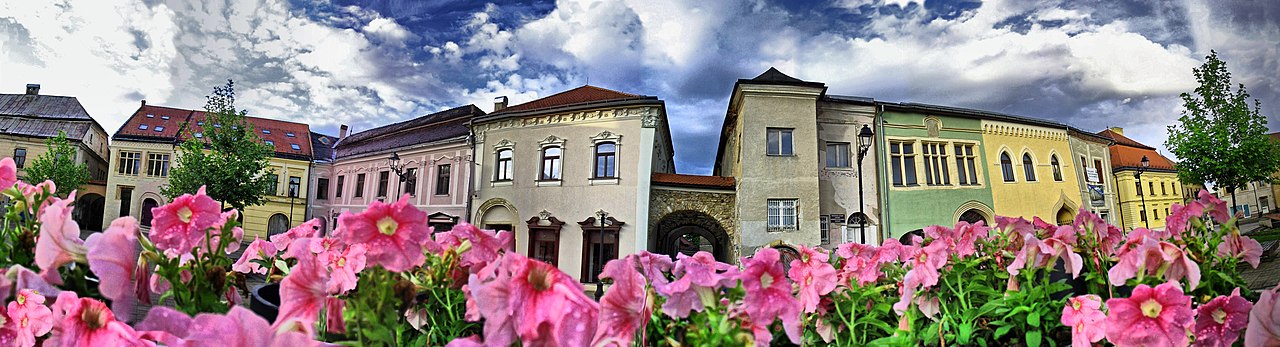
Geography and climate
Baia Mare lies within the larger Carpathian foothill region. Rivers and valleys shape the built and natural landscape: smaller streams traverse the city and the Săsar River is one of the local waterways that transport water and, historically, industrial runoff toward larger river systems. The area has a temperate continental climate with distinct seasons—cold winters and warm summers—and a landscape that combines urbanised basins with surrounding wooded hills and mineral-bearing terrain.
Historical background and mining
Mining has been central to Baia Mare's identity for centuries. The locality expanded with the exploitation of ores such as gold, silver and non-ferrous metals, and during the 19th and 20th centuries industrialisation and railway links accelerated urban growth. The Romanian name element "baia" refers to mining activity and is shared with other historic mining towns in the region. Although large-scale state-run mining declined in the late 20th century, the legacy of extractive industry remains visible in local museums, industrial architecture and the townscape.
Artists' colony and cultural life
Alongside its industrial past, Baia Mare is notable for a longstanding artistic tradition. The Baia Mare artists' colony and the so-called Baia Mare School of painting attracted painters and sculptors and helped establish the city as a centre for visual arts in the region. Today cultural life includes museums, galleries, festivals and community arts initiatives that draw visitors and support local identity. Folk traditions from the broader Maramureș area—wooden architecture, costume and seasonal customs—also contribute to cultural tourism and community events.
The 2000 cyanide spill and its consequences
In late January 2000 a dam at a gold-mining tailings pond failed, releasing a large volume of wastewater that contained cyanide compounds and elevated concentrations of heavy metals such as copper, zinc and lead. The toxic plume flowed into local rivers, including the Săsar and Someș, reached the Tisza and later entered the Danube basin, affecting stretches of river and communities downstream in neighbouring countries. The spill caused extensive fish kills and environmental damage to aquatic habitats; local authorities and international bodies scrutinised mining practices and emergency response after the event. The incident prompted changes in cross-border cooperation on river protection, tighter scrutiny of mining waste management and discussions about remediation of contaminated sites.
Economy, transport and contemporary development
Since the decline of heavy, centrally organised mining, Baia Mare's economy has diversified. Small and medium-sized enterprises, services, light manufacturing and cultural tourism play an increasing role. The city remains an administrative and commercial centre for the county, with road and rail connections linking it to other Romanian cities and to border regions. Local authorities, educational institutions and civil society groups are engaged in urban regeneration, environmental remediation and efforts to promote cultural heritage and sustainable development.
Landmarks and visiting
Visitors can explore museums and galleries that present mineralogical and artistic collections, historical churches and public squares, and viewpoints on nearby hills that offer panoramic views of the basin. Remnants of industrial heritage coexist with parks and civic spaces. For up-to-date practical information on municipal services, tourism and recent projects consult regional resources and official pages (regional information).
- Key features: long mining history, an influential artists' colony, and a role as Maramureș County centre.
- Environmental legacy: the 2000 spill remains a reference point for river protection and mine-waste regulation.
- Research and references: historical and demographic details are recorded in national statistics and local archives; for specific figures and recent updates see municipal and regional sources (demographic reference / city page).
Related articles
Author
AlegsaOnline.com Baia Mare — Mining City, Artists' Colony, and the 2000 Cyanide Spill Leandro Alegsa
URL: https://en.alegsaonline.com/art/8340
Sources
- recensamant.referinte.transindex.ro : Baia Mare
- lenntech.com : lenntech.com/environmental-disasters.htm