
Manzai — Japanese double-act comedy
Manzai is a traditional Japanese comic style based on rapid, scripted or semi-improvised exchanges between a funny man (boke) and a straight man (tsukkomi), widely performed on stage and television.
Overview
Manzai is a distinctive form of Japanese comedy built around quick, back-and-forth banter between two performers. Often described as a kind of stand-up delivered by a pair, manzai relies on timing, rhythm and a clear division of roles. One member plays the fool or comic foil and the other reacts with corrections, retorts and occasional physical responses, creating a steady flow of set-ups and punchlines.
Image gallery
7 Images


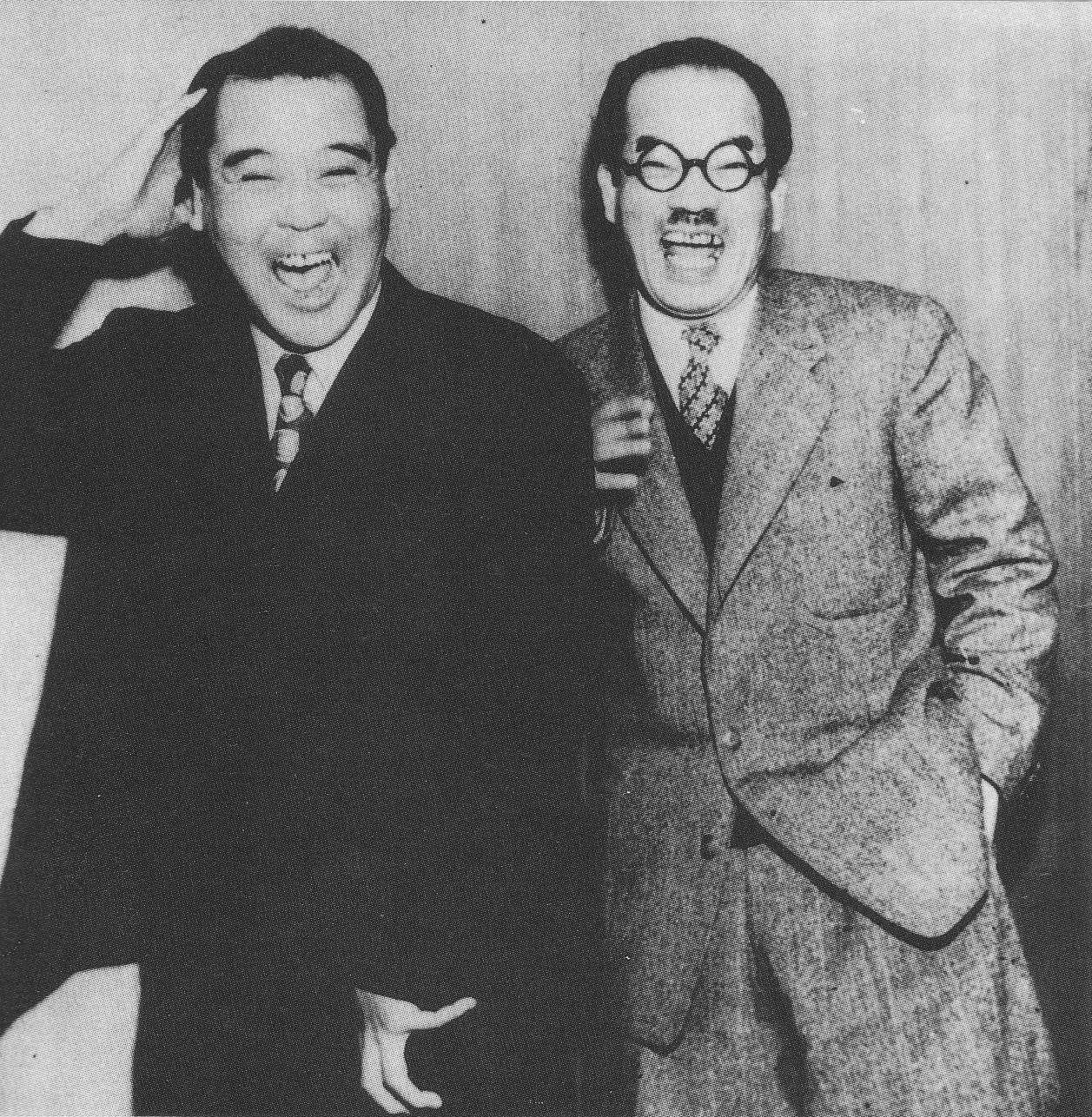
Typical roles and structure
The basic structure of a manzai act is compact and formulaic, which helps generate rapid humor and audience rapport. Common elements include:
- Boke — the funny man who makes mistakes, tells absurdities or takes statements literally, inviting correction.
- Tsukkomi — the straight man who returns the audience to reality with sharp comebacks, incredulous remarks or a light slap (often with a paper fan) for emphasis.
- Kakeai — the rapid exchange or repartee that defines many styles of manzai, especially when performers trade short, rhythmic lines.
History and development
Traditional accounts trace manzai back to seasonal New Year performances in Japan, when entertainers visited homes to give blessings and perform comic exchanges. Over centuries the form shifted from ritual and festival contexts into urban entertainment, particularly in the Kansai region where the style and dialect became strongly associated with Osaka. By the late 19th and early 20th centuries, manzai evolved into a modern variety act on stage and in music halls, and later adapted to radio and television as broadcast media expanded.
Formats, venues and modern practice
Contemporary manzai appears in a range of settings: live theater, variety shows, televised comedy contests, recorded specials and online clips. Television and radio popularized quick-manifestation routines and helped establish nationwide stars. Many teams perform tightly written scripts, while others use semi-improvised material that plays to regional dialects and local references. Prominent competitions and televised showcases have also encouraged a professional circuit for aspiring duos.
Distinctive features and comparisons
Manzai is often contrasted with other Japanese comic traditions. Unlike rakugo, which features a solo storyteller portraying multiple characters, manzai depends on the chemistry of two partners and the correction-based dynamic between boke and tsukkomi. Typical markers include brisk pacing, punchy one-liners, wordplay, deliberate misunderstandings and frequent use of Kansai dialect. Costuming tends to be simple—suits or coordinated outfits—so attention remains on verbal interplay and physical timing.
Importance and cultural notes
Manzai remains an influential and visible strand of Japanese popular culture, shaping television variety formats and live comedy circuits. It continues to adapt to new media while maintaining its core: a skilled duo delivering rhythmically precise exchanges that mix everyday observation, absurdity and corrective reaction. For resources on performance practices, historical surveys and televised examples, see materials on television and scholarly treatments of performance.
Related articles
Author
AlegsaOnline.com Manzai — Japanese double-act comedy Leandro Alegsa
URL: https://en.alegsaonline.com/art/61491
Sources
- en.wiktionary.org : 漫才
- worldcat.org : OCLC 475380964