
Measure for Measure
A late Elizabethan play by William Shakespeare that examines justice, mercy and sexual morality. Often classed as a 'problem play', it was likely acted c.1606 and first printed in the First Folio (1623).
Measure for Measure is a stage play originally attributed to William Shakespeare. It is generally classified as a comedy comedy, though many critics call it a "problem play" because of its mixture of dark themes and comic resolution. The drama centers on the clash between rigid legalism and humane mercy, and it poses awkward questions about authority, sexuality, and hypocrisy.
Image gallery
10 Images


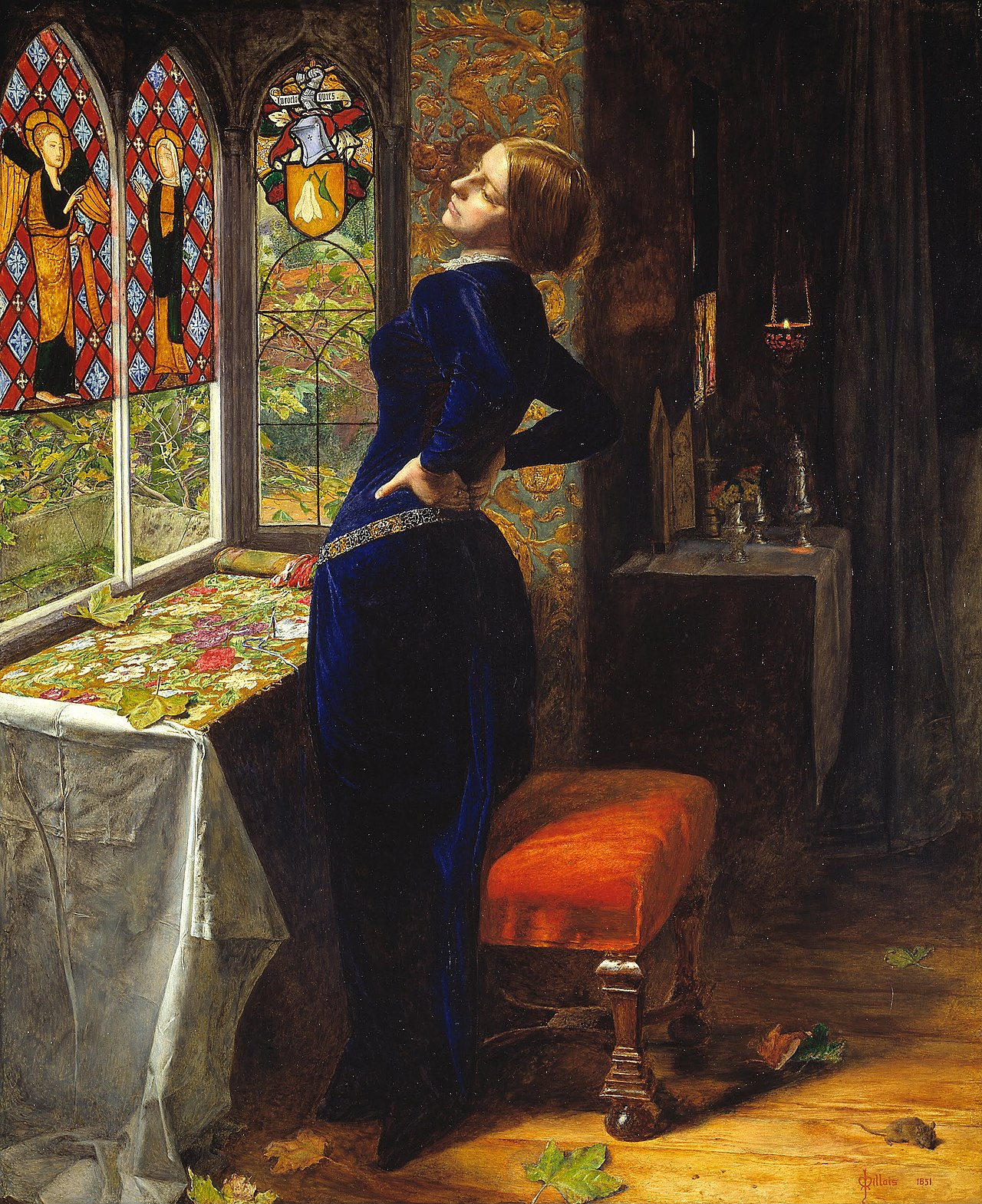


Plot overview
The action takes place in Vienna, where the ruling Duke, disguised as a friar, hands power temporarily to the strict deputy Angelo. Angelo enforces a harsh moral law, sentencing the young Claudio to death for impregnating his fiancée before marriage. Claudio's sister Isabella, a novice nun, pleads for mercy; in response Angelo propositions her, offering to spare Claudio in exchange for sexual favors. The play proceeds through moral tests, a "bed trick" substitution, and the Duke's eventual reappearance to reveal identities and administer justice in a way that mixes punishment with pardon.
Principal characters
- The Duke (Vincentio) – ruler who observes events in disguise.
- Angelo – deputy whose severe enforcement reveals hypocrisy.
- Isabella – novice whose moral dilemma drives the central conflict.
- Claudio – condemned young nobleman.
- Mariana – Angelo's former fiancée, involved in the bed trick.
- Lucio and Mistress Overdone – comic and social foils.
Themes and dramatic features
- Justice versus mercy: the play probes whether strict law or compassionate judgment should prevail.
- Abuse of power: Angelo's corruption illustrates how authority can be hypocritically applied.
- Sexual morality and reputation: social attitudes toward sex and honor are scrutinized.
- Disguise and deception: the Duke's disguise and the bed trick complicate truth and accountability.
The language juxtaposes sober moral argument with comic subplot and satirical commentary, producing tonal shifts that have long divided scholars and audiences.
History, sources and publication
Scholars identify an Italianate prose source in earlier narrative romances; one often-cited influence is George Whetstone's Promos and Cassandra. The play may have been first performed on 24 December 1606 and was probably first printed in the collection known as the First Folio of 1623. Its exact date of composition is uncertain, and its mixture of tragic and comic elements has produced varied classifications over time.
Performance and legacy
Measure for Measure has a lively stage history: productions frequently emphasize different aspects—legal satire, political critique, or intimate ethical drama—so modern stagings often update setting, costume, or gender relations to foreground contemporary concerns. The play is studied for its exploration of law, conscience, and governance and continues to appear in academic courses and adaptations for theatre, radio, and screen.
Readers and audiences are often struck by the play's moral ambiguity and its unresolved tensions: while it concludes with formal reconciliation and offers of marriage, questions about propriety, punishment, and the limits of mercy remain deliberately open, which is a principal reason the work attracts continued discussion and reinterpretation.
For further general background see a standard reference on the play Measure for Measure or collections of Shakespeare's works; scholarly editions treat variant texts and commentary in greater depth. Contemporary productions and critical essays provide pathways into its ethical dilemmas and theatrical possibilities.
Related resources and editions may be explored through curated databases and collected volumes of Shakespeare's plays; for an introduction to the play's printed history consult materials associated with the First Folio and modern editorial work. For contextual information about the author and the broader corpus see general studies on Shakespeare and on Elizabethan drama. General overviews and performance histories are available through theatrical archives and academic surveys comedy.
Related articles
Author
AlegsaOnline.com Measure for Measure Leandro Alegsa
URL: https://en.alegsaonline.com/art/63329
Sources
- commons.wikimedia.org : Measure for Measure
- william-shakespeare.info : Measure For Measure