
Mansion: large private house, country estate, or urban residence
A mansion is a large, often luxurious dwelling historically related to manor houses and country estates. It signifies scale, architectural distinction, and social status and may be repurposed as museums or hotels.
Overview
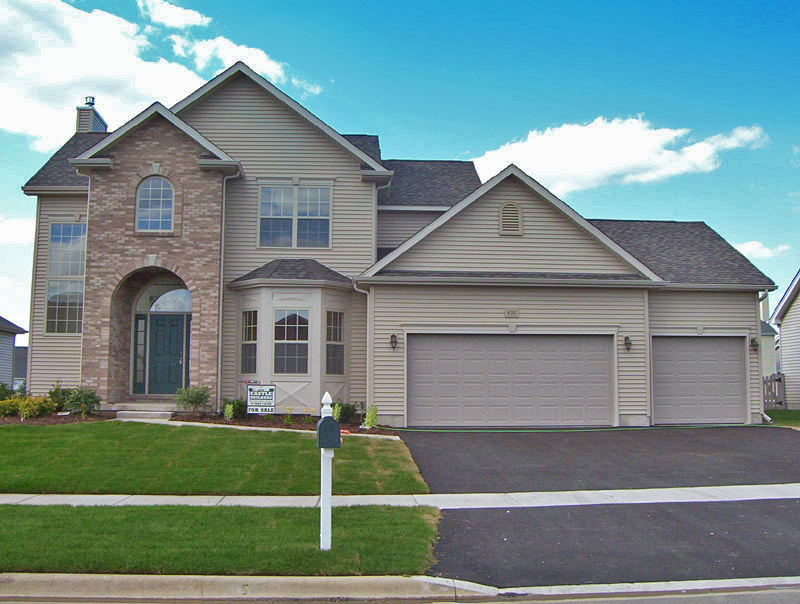
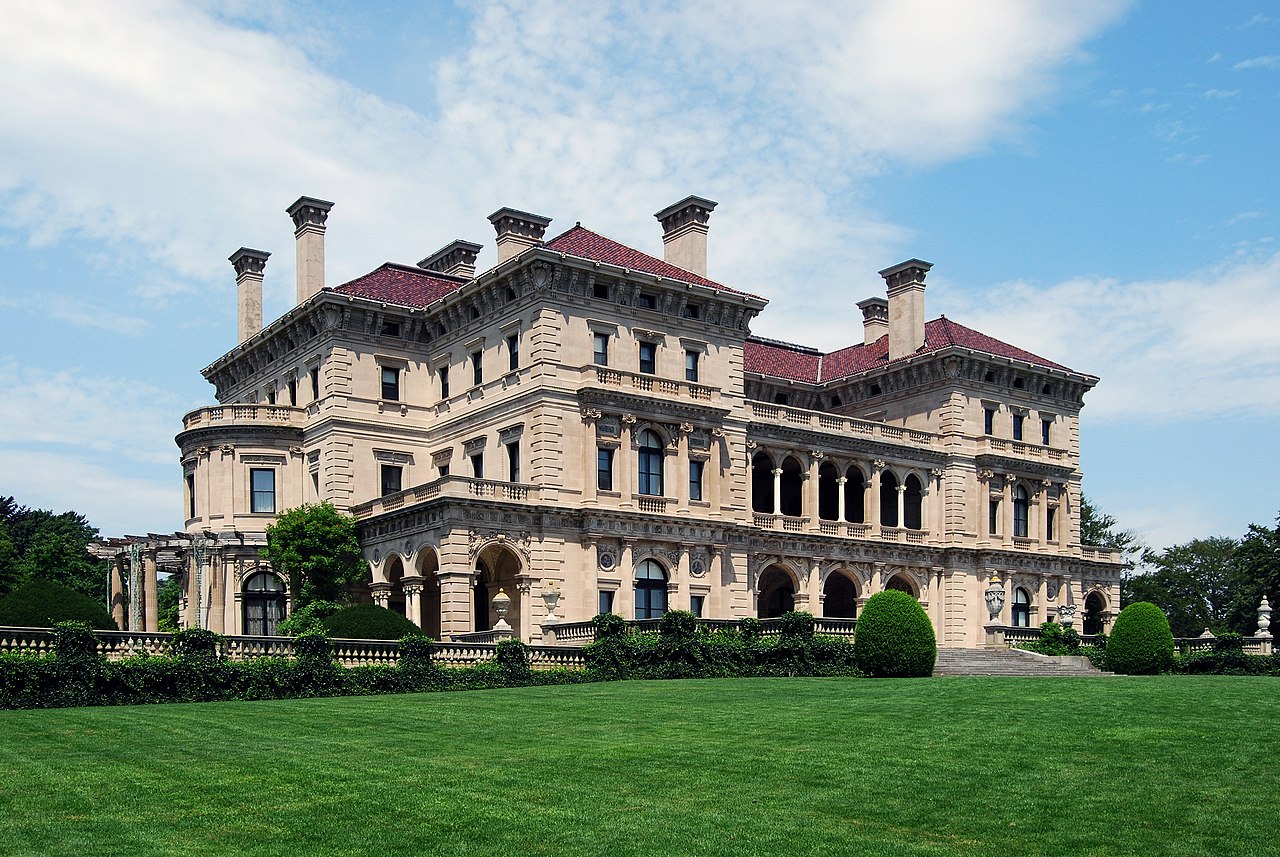
A mansion is a substantial single-family dwelling notable for its size, architectural detail, and amenities. The term commonly evokes a grand house with many rooms, extensive grounds and spaces for domestic staff. In everyday use it contrasts with ordinary houses by implying greater luxury, prominence or historical importance. For a simple definition see large and often luxurious house.
Image gallery
10 Images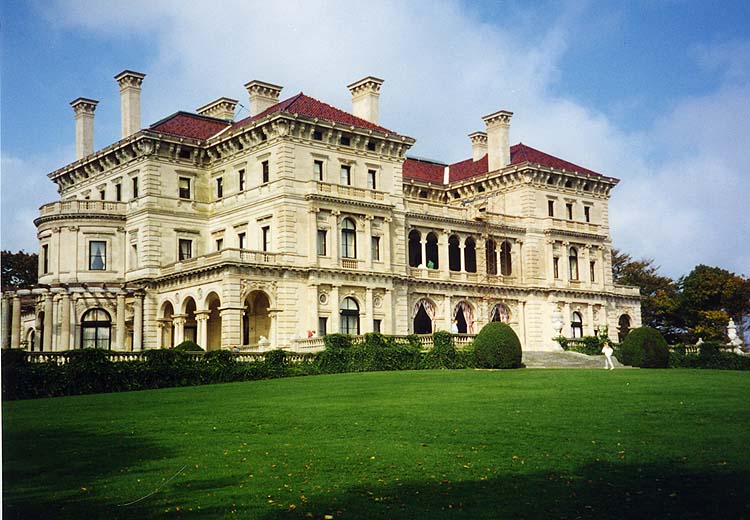





Typical features
While mansions vary by era and region, they often share several characteristics that mark them as elite residences:
- Multiple formal reception rooms such as parlors, libraries and dining rooms.
- Numerous private bedrooms and specialized service areas (kitchens, pantries, servant quarters).
- Architectural embellishments: grand staircases, ornamented facades, vaulted ceilings or columns.
- Extensive grounds with gardens, driveways and ancillary buildings (stables, gatehouses).
History and development
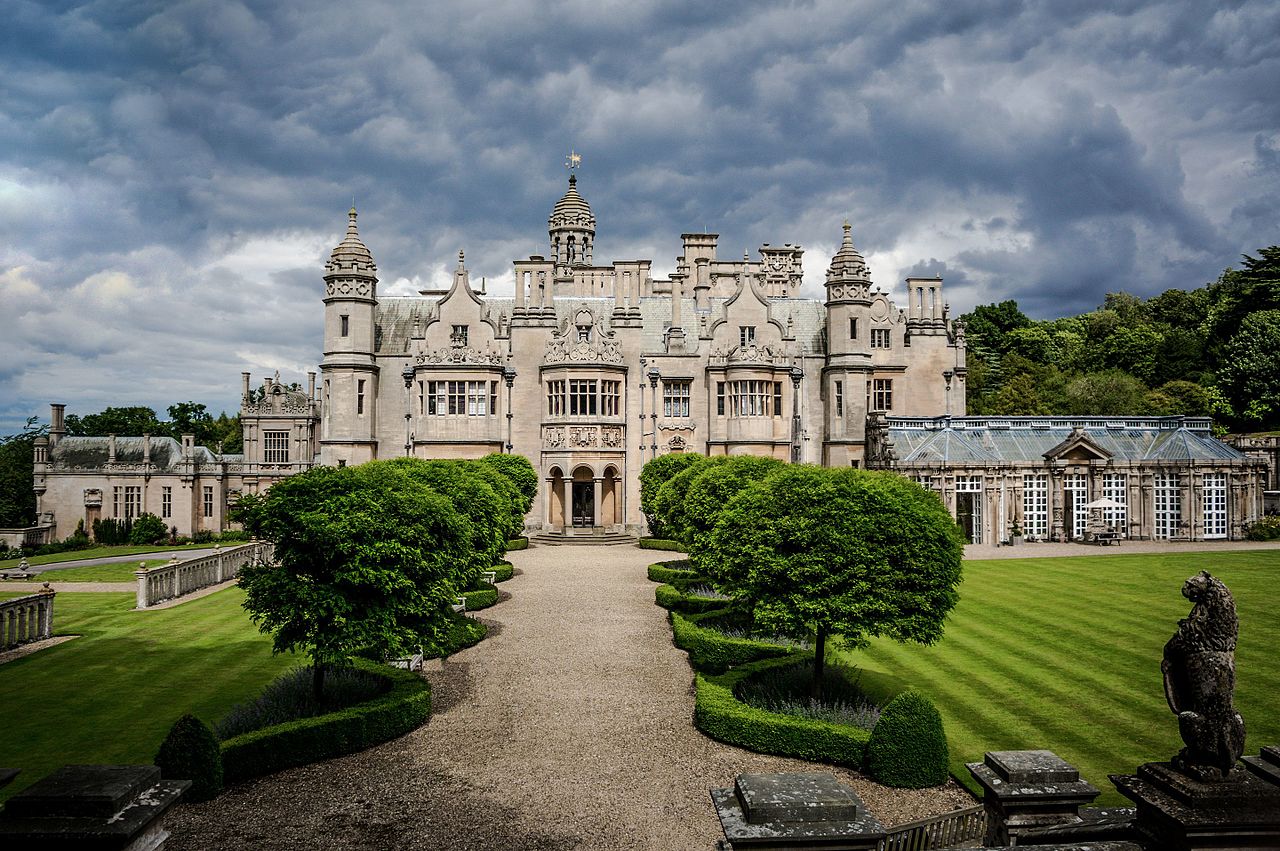
The concept of the mansion is rooted in earlier traditions of large lordly houses. In much of Europe the rural manor house served as the seat of local authority and agricultural management; many of these evolved into country houses that displayed wealth and status. Urban equivalents developed when wealthy residents built large townhouses and city residences, often called mansions. The word itself has links to older terms for dwelling and residence used in different languages.
Uses, preservation and cultural role
Mansions have been private homes, administrative centers, or symbols of social rank. Over time many have been preserved as historic properties, converted into museums, hotels, schools or event venues, or adapted for multiunit use. Their size and quality of construction often make them important subjects for conservation and architectural study.
Distinctions and terminology
Regional terms overlap: a manor house refers to a feudal or landed estate residence; a country house often denotes a large rural mansion in England. Related terms include villa, palace, chateau and townhouse, each carrying particular connotations about function, rank or setting. Understanding local architecture and history clarifies how the label "mansion" is applied in any given place.
Notable facts: Mansions often appear in literature, film and popular imagination as settings of wealth, mystery or power. Their preservation helps interpret social history and architectural evolution.
Related articles
Author
AlegsaOnline.com Mansion: large private house, country estate, or urban residence Leandro Alegsa
URL: https://en.alegsaonline.com/art/61415