
Manor house: history, form, and social role of the rural residence
An overview of the manor house: its architecture, functions, fortified features, regional names and later adaptations from medieval manorial centres to preserved historic houses.
Overview
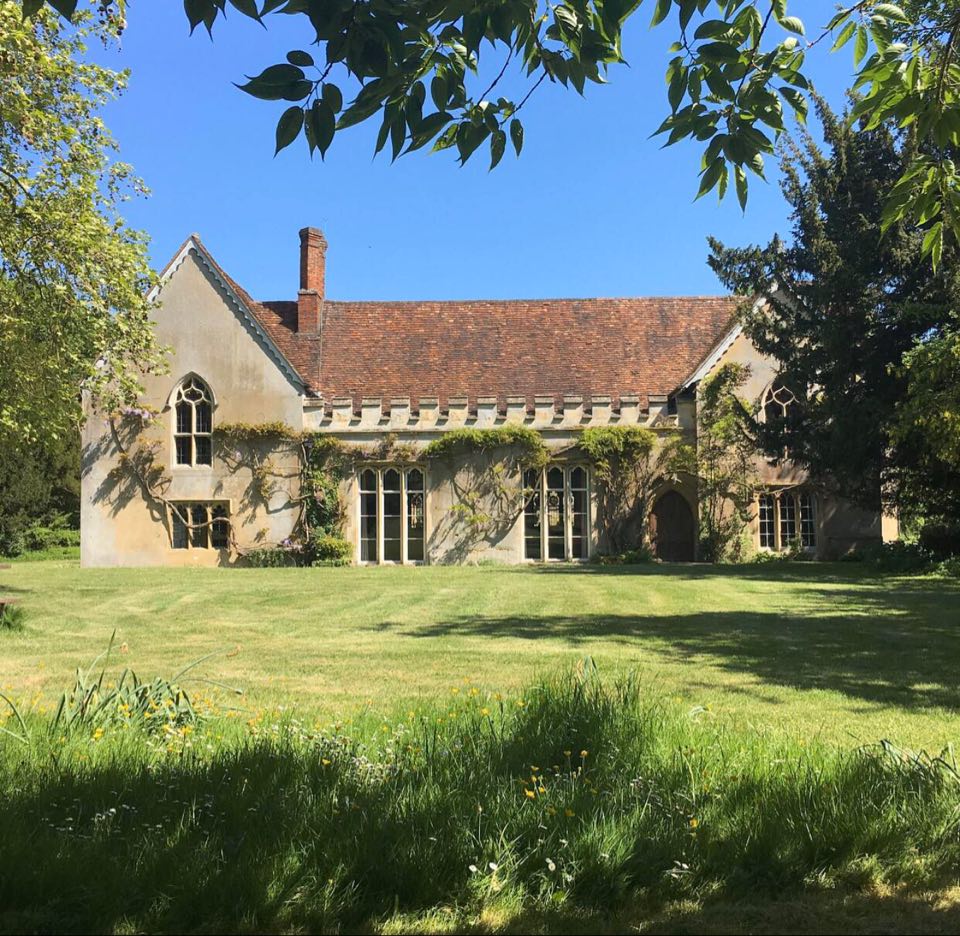
A manor house is the principal residence of a lord of the manor and the administrative centre of a rural estate. In broad terms it can be described as a country house whose plan and status were shaped by the needs of estate management, hospitality and local authority. The concept is inseparable from Manorialism, the system of landholding, tenures and obligations that governed much of medieval rural life. Manor houses ranged from modest dwellings of the local gentry to larger, more ostentatious residences that sometimes incorporated defensive elements.
Image gallery
10 Images



Form and layout
Traditional manor houses combined domestic, administrative and service functions. The most characteristic internal space was the great hall, a large room used for communal dining, court business and public reception. Private accommodation, often called a solar or private chambers, developed beside or above the hall. Kitchens, pantries, buttery and larders supported household needs, while barns, stables and workshops handled agricultural operations.
- Domestic: great hall, solar, parlours, private chambers and service rooms.
- Administrative: offices for the steward, record rooms and manorial court spaces.
- Service and production: barns, dovecotes, granaries, stables and workshops.
- Access and control: gatehouse, gateway or controlled entrance to the inner court.
Fortification and defensive features
Although manor houses were primarily domestic, many incorporated protective features to deter thieves, raiders or to show authority. They were often enclosed by walls or surrounded by ditches or moats. Small towers, limited battlements or a modest gatehouse might be added, and in some cases a watchtower provided a vantage point. These measures differed in intent and strength from the fortifications of a true castle, which was designed primarily as a military stronghold.
Distinction from castles and country houses
The distinction between a fortified manor-house and a minor castle is often one of degree rather than kind. Castles emphasise defence, garrisons and strategic control; manor houses emphasise administration, household life and estate management. In later centuries, many manor houses adopted elements of comfort and style associated with the gentlemanly country house, blurring the line between functional rural residence and status architecture.
Historical development
From the early medieval period manor centres typically comprised a hall and associated buildings sited near demesne lands. Between the 12th and 15th centuries modest defensive works became more common in regions affected by conflict. From the late 15th century onward, relative stability, rising prosperity and influences from the Renaissance and later vernacular fashions encouraged an emphasis on comfort, ornament and planned façades. In England this produced many Elizabethan and Jacobean country mansions; in France similar impulses created small châteaux and refined manoirs.
Regional names and forms
Terminology varies across Europe. In France the terms manoir or château are commonly used for manor houses, while a strongly defended rural dwelling may be called a maison-forte. In provinces such as Brittany or Normandy some manors had genuine defensive means and distinct local building traditions. Elsewhere non-European uses of the term "manor" often simply denote a large or picturesque country residence without implying manorial rights.
Social and administrative role
The manor house served as the centre of local governance: the lord or his steward collected rents, regulated labour services, held manorial courts and kept records. It was also a social focus for seasonal feasts, hospitality and the exercise of local patronage. The household employed a range of servants and retainers whose accommodation might be attached to or clustered around the manor complex.
Materials, construction and style
Construction depended on local materials and wealth: stone, timber framing, brick and wattle-and-daub were all used. Roofs might be thatch, tile or slate. Decorative features, such as carved doorways, moulded chimneys and patterned brickwork, became more elaborate as prosperity grew. Many manor houses show successive phases of alteration, reflecting changes in fashion, function and status over centuries.
Later uses and preservation
With social and economic change from the 17th century onward, some manors declined, were absorbed into larger estates, or were rebuilt as more modern country houses. In the 19th and 20th centuries interest in heritage led to preservation, restoration and adaptive reuse: surviving manor houses now function as private homes, museums, hotels or event venues. Conservation efforts emphasise recording historic fabric, protecting landscapes and interpreting the social history of rural estates.
Further reading and related topics
For complementary information see entries on the local gentry, broader feudal society, medieval estate buildings and fortified residences. Comparative studies of small fortified houses and minor castles help clarify the difference between purely defensive structures and domestic-manorial architecture. Architectural surveys of country houses place manor houses in a wider context of rural elite housing and landscape planning.
Key terms: Manorialism • great hall • gatehouse • fortifications • Renaissance architecture • castles.
For online surveys and regional case studies consult general resources on historic houses and fortified dwellings accessible through architectural and heritage portals, or specialist monographs and local archives that document surviving examples and plans of manor houses.
Questions and answers
Q: What is a manor house?
A: A manor house is a country house that has historically formed the centre of a manor, or estate. It was typically owned by a feudal lord and occupied only on occasional visits.
Q: What features did many manor houses have?
A: Many manor houses were partly fortified with walls or ditches, and had small gatehouses and watchtowers. The main feature of the manor house was its great hall.
Q: How did some large manors in France enjoy protection?
A: In western France provinces of Brittany and Normandy, certain large manors enjoyed real means of protection such as fortifications.
Q: When did many country mansions begin to acquire the character and amenities of residences for country gentlemen?
A: By the beginning of the 16th century, many country mansions began to acquire the character and amenities of residences for country gentlemen.
Q: What are two French words used to describe a strongly fortified manor house?
A: Two French words used to describe a strongly fortified manor house are château or maison-forte.
Q: How can the term 'manor' be used today?
A: Today, the term 'manor' or 'manor house' is often used outside Europe to mean simply either a country house or any other kind of residence considered to resemble one without any reference to age or historical sense.
Related articles
Author
AlegsaOnline.com Manor house: history, form, and social role of the rural residence Leandro Alegsa
URL: https://en.alegsaonline.com/art/61394