
English country house: history, architecture and social role
An overview of the English country house: definition, architectural features, historical development, social uses and later conservation and reuse.
Overview
The English country house is a large residential building in the countryside, historically associated with landed families who balanced country estates with town residences. These houses ranged from grand stately homes with extensive parks to more modest seats of the gentry. They served as private homes, centers of local administration, and venues for social life.
Image gallery
9 Images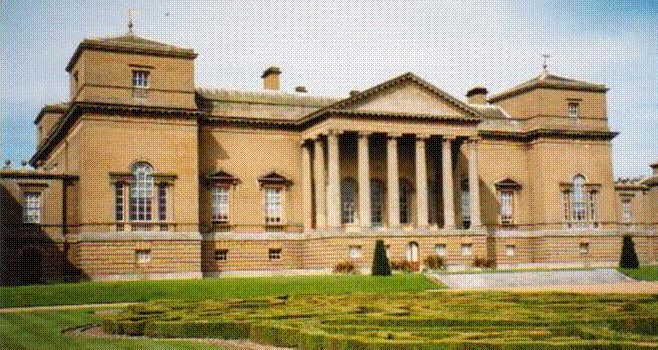





Characteristics and components
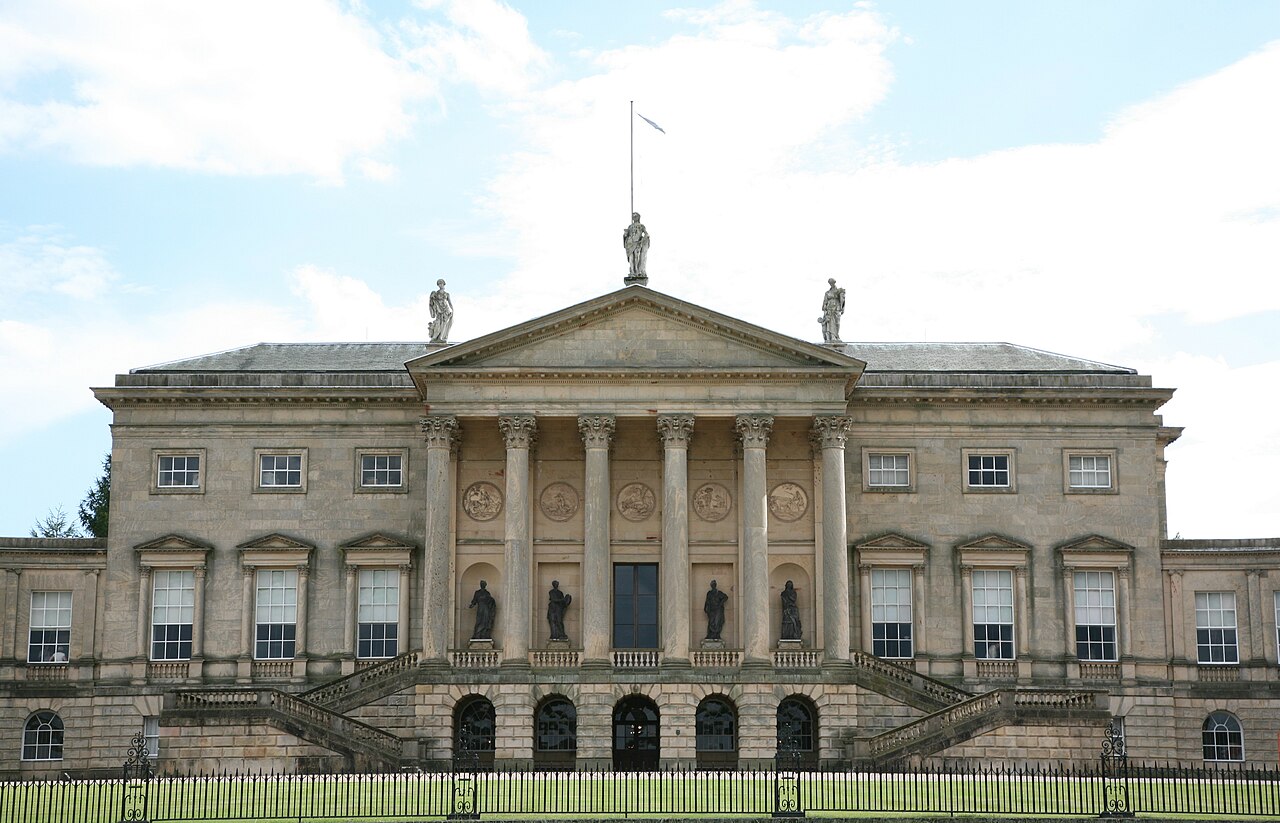
While styles varied by period, common features include a main block of living rooms and bedrooms, a service wing for kitchens and staff, estate offices and agricultural buildings, formal gardens and parkland. Architecturally they reflect successive fashions — medieval remodelling, Tudor brick and timber, classical symmetry of the 18th century, and Victorian eclecticism. Visitors can study examples and architectural descriptions in specialist surveys such as architectural resources.
History and development
Many country houses evolved from medieval manor houses as fortunes, tastes and technologies changed. From the 16th through the 19th centuries the houses grew in size and refinement, mirroring shifts in wealth, social structure and land management. Owners often maintained a town residence as well — for example a London house in the West End — and occupied the country seat seasonally and for estate oversight; see discussions of urban-country residence patterns at urban-house contexts.
Social role and uses
These houses functioned as more than dwellings: they were venues for hunting, entertaining, display of collections, and local patronage. Many belonged to the aristocracy and landed gentry; accounts of family life and patronage appear in sources on aristocratic households and on the experiences of the lesser gentry at gentry studies. Over time some estates diversified into farming, forestry and sometimes industrial enterprises.
Decline, preservation and reuse
The 20th century brought taxation, world wars and changing labour that made many houses difficult to maintain. Some were demolished, others preserved by trusts, converted to hotels, schools or museums, or opened for public visits. Today they are studied for their architectural importance, landscape design and the light they shed on social history.
Notable distinctions
- Country house vs manor: "manor" often denotes the historic landed unit; "country house" emphasizes the residence and its architecture.
- Stately home: a term used for particularly grand examples with major parks and state rooms.
Related articles
Author
AlegsaOnline.com English country house: history, architecture and social role Leandro Alegsa
URL: https://en.alegsaonline.com/art/31471