
Manfred Eigen: Nobel Laureate in Fast Reaction Kinetics and Molecular Evolution
German biophysical chemist Manfred Eigen (1927–2019) studied ultrafast chemical reactions, developed kinetic methods, and contributed to theoretical molecular evolution and the origins of genetic information.
Overview
Manfred Eigen was a German biophysical chemist celebrated for revealing how chemical and molecular systems respond on extremely short timescales. Born in Bochum, he became internationally known for combining physical chemistry with questions about biological information and evolution. He died in Berlin at age 91.
Image gallery
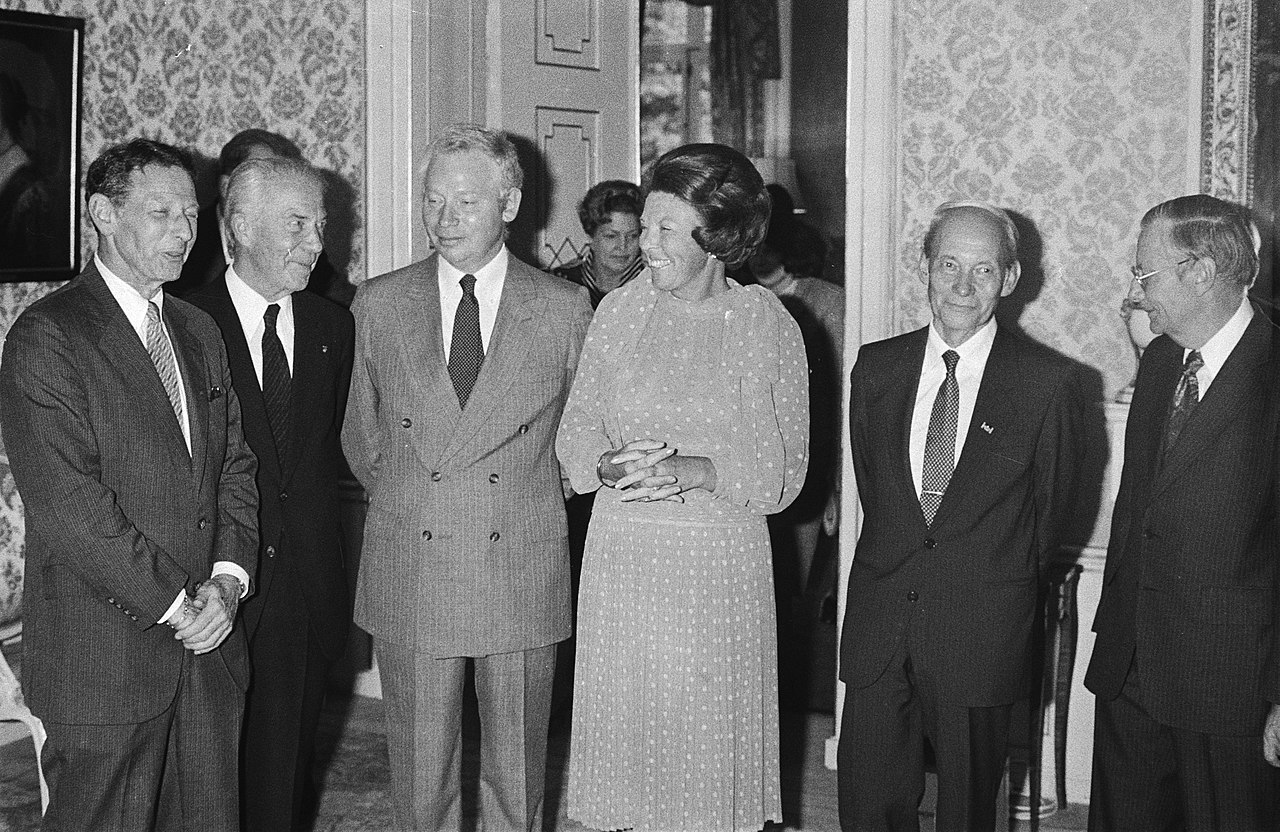
3 Images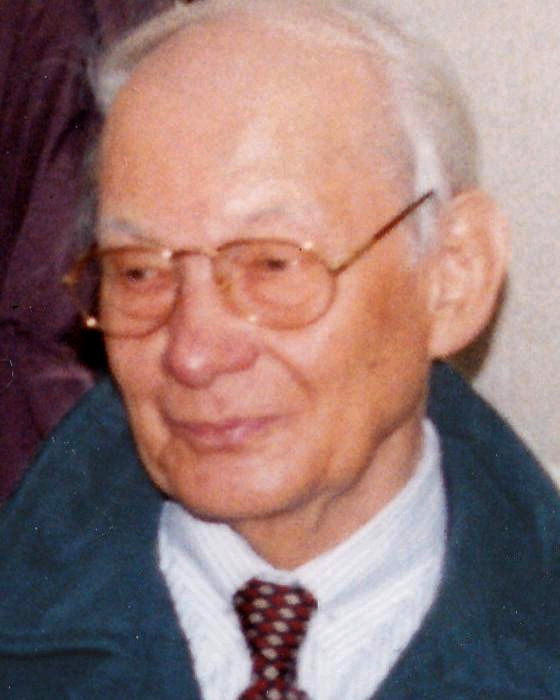

Recognition and Nobel Prize
Eigen shared the 1967 Nobel Prize in Chemistry with Ronald G. W. Norrish and George Porter for their work on extremely fast chemical reactions. The award highlighted experimental and conceptual advances that made it possible to observe processes that take place in microseconds and shorter intervals, often triggered by very short pulses of energy.
Experimental approaches
Eigen helped refine relaxation and pulse techniques that interrupt or perturb a system and then watch it return toward equilibrium. Such methods include temperature- and pressure-jump approaches and rapid photochemical initiation; they allow observation of transient species and rapid equilibria that are invisible to slower methods. These tools proved influential in physical chemistry, enzymology and photochemistry (fast reaction studies).
Theoretical contributions
Beyond experimental physics and chemistry, Eigen developed theoretical frameworks for molecular evolution. He introduced ideas such as the quasispecies concept and, with collaborators, the hypercycle model to explain how information-carrying molecules can maintain fidelity and evolve under mutation pressure. These concepts bear on the origin of life and on the evolution of rapidly mutating systems like RNA-based replicators.
Institutional role and legacy
Eigen was a central figure in building interdisciplinary research institutions and mentoring scientists who bridged chemistry and biology. He helped establish research structures that fostered collaborations between physical chemists, molecular biologists and theoreticians, leaving a legacy that extends from laboratory techniques to conceptual models of evolution.
Key points
- Nobel Prize: Shared 1967 prize for work on ultrafast reactions (award citation).
- Experimental innovation: Advanced relaxation and pulse methods to probe rapid kinetics (fast reaction methods).
- Theory of evolution: Developed quasispecies and hypercycle ideas for molecular evolution.
- Personal details: Born in Bochum (Bochum), died in Berlin (Berlin).
Eigen's combination of precise kinetics and big-picture thinking helped shape modern perspectives on how chemical dynamics underpin biological information and evolution. For further reading and archival material see dedicated biographies and institutional pages linked to his work (biography, methods overview).
Related articles
Author
AlegsaOnline.com Manfred Eigen: Nobel Laureate in Fast Reaction Kinetics and Molecular Evolution Leandro Alegsa
URL: https://en.alegsaonline.com/art/61268
Sources
- pubmed.ncbi.nlm.nih.gov : 3300802
- doi.org : 10.1016/S0301-4622(97)00075-6
- pubmed.ncbi.nlm.nih.gov : 17029872
- doi.org : 10.1098/rsbm.1981.0016
- worldcat.org : 0080-4606
- doi.org : 10.1098/rsbm.2004.0017
- nytimes.com : "Manfred Eigen, 1967 Nobel Chemistry Laureate, Dies at 91"
- spiegel.de : "Der Bezwinger des Unmessbaren"
- mpibpc.mpg.de : "Göttingen Nobel Laureate Manfred Eigen has died"