
Healthy diet: principles, components, benefits, and practical guidance
A healthy diet supplies appropriate amounts from major food groups, emphasises plant-based foods, limits processed items, and supports growth, energy and long-term health.
Overview
A healthy diet describes the pattern of what you eat across days and weeks that supplies the nutrients your body needs without persistent excess. It balances energy intake and nutrient needs, helps maintain a healthy weight, supports growth and repair, and reduces the risk of chronic diseases. Rather than a single rigid menu, a healthy diet is a flexible approach built from reliable principles and adapted to cultural, economic and individual needs.
Image gallery
2 Images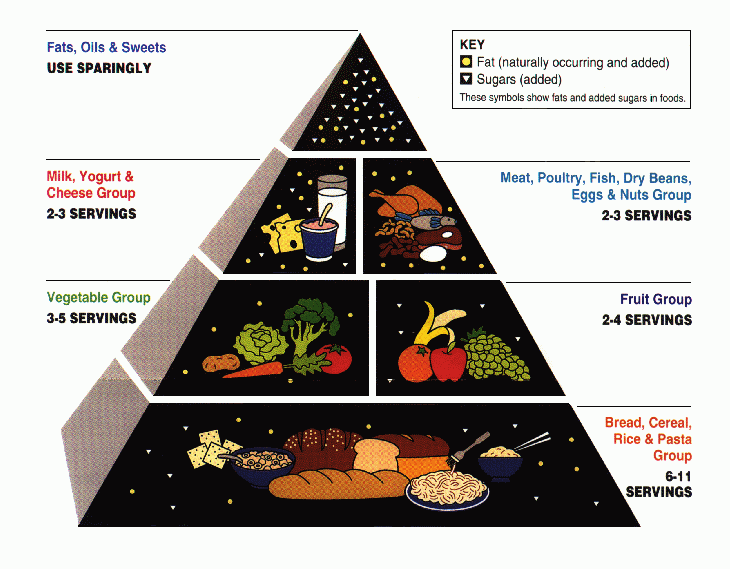

Core components
Most guidance groups foods into categories to ensure variety and adequacy. Key groups include food groups such as fruit, vegetables, grains, dairy or fortified alternatives, and sources of protein. Emphasis is generally placed on whole, minimally processed options and appropriate portion sizes. Overall advice often recommends more plant foods and fewer convenience foods. Variety across and within groups helps ensure a range of nutrients.
Key nutrients and roles
Macronutrients provide energy and building blocks: carbohydrates for fuel (preferably from whole grains, fruits and vegetables), protein for growth and repair, and fats for energy and fat-soluble vitamin absorption. Micronutrients (vitamins and minerals) support many functions including immune health, bone health and metabolism. Dietary fibre promotes digestive health, and adequate fluid intake is essential for physiological balance. A balanced diet aims to provide these through foods rather than relying solely on supplements, except when a specific need is identified.
Practical guidance and portion balance
- Base meals around vegetables and whole grains, adding a protein source and a small amount of healthy fats.
- Choose whole fruits instead of fruit juices when possible to increase fibre intake.
- Limit foods high in added sugars, salt and saturated fat; prefer cooking methods like steaming, roasting or grilling.
- Adjust portion sizes to activity level, age and life stage; frequent small changes to habits are more sustainable than extreme measures.
Special populations and considerations
Needs change across the life course. Children, pregnant people, older adults and people with chronic conditions may require different nutrient amounts or specific guidance. Cultural preferences, food access and economic constraints also shape what a healthy, realistic diet looks like for any individual or community. When in doubt, seek personalised advice from a registered dietitian or local public health resource.
Shopping, preparation and behaviour
Practical steps support adherence: plan meals, make shopping lists that prioritise whole foods, prepare batches of vegetables or grains, and keep healthy snacks available. Reading labels can help identify products with high added sugars or saturated fats, and learning simple recipes increases control over ingredients and portion sizes.
Benefits, risks and common misconceptions
A healthy diet can improve daily energy and mood, support immune function, and reduce long-term risks of heart disease, type 2 diabetes and some cancers. Risks arise when diets are consistently too low in key nutrients or too high in energy‑dense processed foods. Common misconceptions include the idea that a single food or supplement can make a diet healthy; rather, overall patterns matter most. For more on food groups and examples, see resources on food groups and typical choices such as fruit and vegetables.
When to seek professional advice
Consult health professionals for persistent weight changes, signs of nutrient deficiency, complex medical conditions or when planning diets for pregnancy, infancy or competitive athletics. Public health agencies and qualified dietitians can provide evidence-based, personalised recommendations.
Further reading
Introductory materials often explain what constitutes balanced meals, how to recognise minimally processed options, and strategies to incorporate more plant foods while reducing reliance on convenience foods. For practical meal ideas and food group overviews, explore trusted local guidelines and professional nutrition resources.
Questions and answers
Q: What is a healthy diet?
A: A healthy diet is a balanced diet that contains the right amounts of all the food groups, including fruit, vegetables, grains, dairy products, and protein.
Q: What does an unhealthy diet mean?
A: Eating wrong amounts of a food group, whether it be too much or too little, is called an 'unhealthy diet' or an 'imbalanced diet'.
Q: What are the main components of a healthy diet?
A: The main components of a healthy diet are fruits, vegetables, grains, dairy products, and protein.
Q: Should you consume too much or too little of any kind of food in a healthy diet?
A: No, you should not consume too much or too little of any kind of food in a healthy diet.
Q: What are some things that should be included less in a healthy diet?
A: Fewer convenience foods should be included in a healthy diet.
Q: What are some things that should be included more in a healthy diet?
A: A healthy diet should include more foods that come from plants.
Q: What is an imbalanced diet?
A: An imbalanced diet is one that has wrong amounts of a certain food group, whether it be too much or too little.
Related articles
Author
AlegsaOnline.com Healthy diet: principles, components, benefits, and practical guidance Leandro Alegsa
URL: https://en.alegsaonline.com/art/43064
Sources
- gethealthy.eliv.info : Natural, Organic Healthy Living & Diet
- berkeleywellness.com : "14 Keys to a Healthy Diet"
- mayoclinic.org : "Nutrition basics"
- fitness.gov : "How to Eat Healthy"
- eufic.org : "Carbohydrates"
- traininginthebay.com : Macros For Beginners
- webmd.com : "Dieting Is Out; Healthy Eating Is In"