
Shopping Mall: Structure, History, and Social Role
Overview of shopping malls: design and layout, historical development, types, functions, economic and social roles, and how they differ from traditional markets and bazaars.
Shopping mall (also shopping centre) refers to a large building or purpose-built complex that groups many independent retail outlets, services and often entertainment facilities around shared internal circulation. Unlike traditional open-air markets or bazaars, where traders sell from temporary stalls or booths in one open area, most mall shops occupy permanent, walled spaces with individual entrances that open onto interior corridors, atria or pedestrian streets.
Image gallery
10 Images


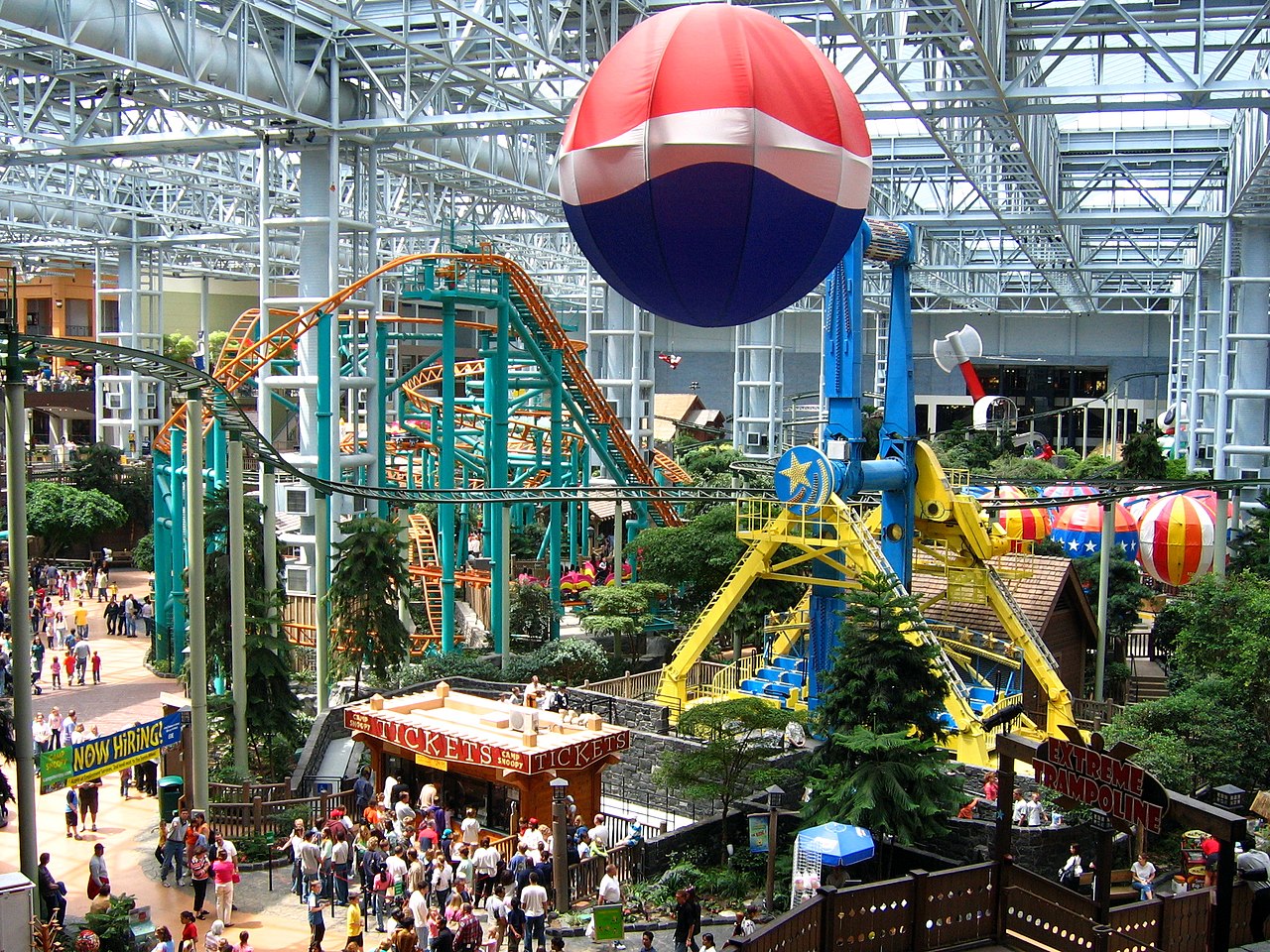


Characteristics and layout
Malls combine a range of commercial and public amenities designed to encourage circulation and longer visits. Typical elements include:
- Permanent stores and anchor tenants (such as department stores or big-box retailers) arranged along covered walkways
- Food courts, restaurants and kiosks offering a variety of dining options
- Common areas such as seating, fountains, event spaces and children’s play areas
- Parking facilities and transport links tailored for high customer throughput
- Services such as banks, health clinics, cinemas and community services
Origins and historical development
The idea of concentrating retail under a shared roof has precedents in covered arcades and market halls of the 18th and 19th centuries. In the 20th century, suburban growth and automobile ownership encouraged larger, planned retail complexes. Urban planners and architects adapted earlier concepts into the enclosed, climate-controlled shopping mall. One mid-20th-century example often cited in histories of retail is the shift toward fully enclosed regional centres designed to serve surrounding suburbs. Over time, mall design responded to changing retail practices, consumer habits and leisure preferences.
Types of malls and related forms
Malls vary in scale and function. Common categories include regional and super-regional malls with many stores and large anchors; community or neighbourhood centres focused on everyday needs; outlet centres specialising in discounted brands; lifestyle centres that combine shops with open-air dining and entertainment; and strip shopping centres oriented along a single frontage. Some complexes blend retail with offices, hotels and housing to form mixed-use developments.
Economic, social and cultural roles
As concentrated retail hubs, malls create jobs, generate tax revenue and influence local shopping patterns. They also function as social spaces where people meet, walk, and attend events; in many areas malls have become informal civic arenas. Because most malls are privately managed, access and behaviour in common areas are subject to rules enforced by operators, raising questions about the nature of public space in privately owned settings.
Contemporary changes and future trends
In recent decades malls have faced competition from online retail and changing consumer preferences. In response, many operators have introduced more leisure, food and experiential attractions, reorganised tenant mixes, and explored new roles such as community services and cultural programming. Some former mall properties have been repurposed for offices, medical centres, logistics centres or residential uses. Environmental concerns and sustainable design practices have also influenced newer developments, from energy-efficient heating and cooling to greater integration with public transport and walkable urban design.
Design and management considerations
Successful malls balance tenancy, circulation, access and ambience. Anchor tenants draw footfall; smaller specialty shops and services provide variety. Safety, maintenance, visual merchandising and marketing all play roles in how a mall performs economically and socially. Operators monitor patterns of movement, dwell time and retail mix to adapt to changing demand.
See also: building types, shop layouts, markets, bazaars and stall-based retail.
Related articles
Author
AlegsaOnline.com Shopping Mall: Structure, History, and Social Role Leandro Alegsa
URL: https://en.alegsaonline.com/art/61036