
Malacca (Melaka): history, culture and strategic importance
Malacca (Melaka) is a Malaysian state on the Malay Peninsula noted for its historic port city, multicultural heritage, strategic location on the Strait of Malacca, and UNESCO World Heritage status.
Malacca, locally known as Melaka, is a state on the southern part of the Malay Peninsula in Malaysia. Its center is Malacca City, an urban area built around a historic harbour on the northern side of the Strait of Malacca. The state is home to a diverse population and a mix of Malay, Chinese, Indian and Peranakan (Straits-born) cultures; its Chinese name is shown in historical records as 马六甲.
Image gallery
10 Images





Geography and strategic position
Malacca occupies coastline facing one of the world's busiest maritime routes. The Strait of Malacca provides a principal shipping link between the Indian Ocean and the South China Sea, making the region strategically and economically important for trade, maritime traffic and regional geopolitics. The state itself includes lowland plains, mangroves and an urban corridor centered on the capital.
Historical development
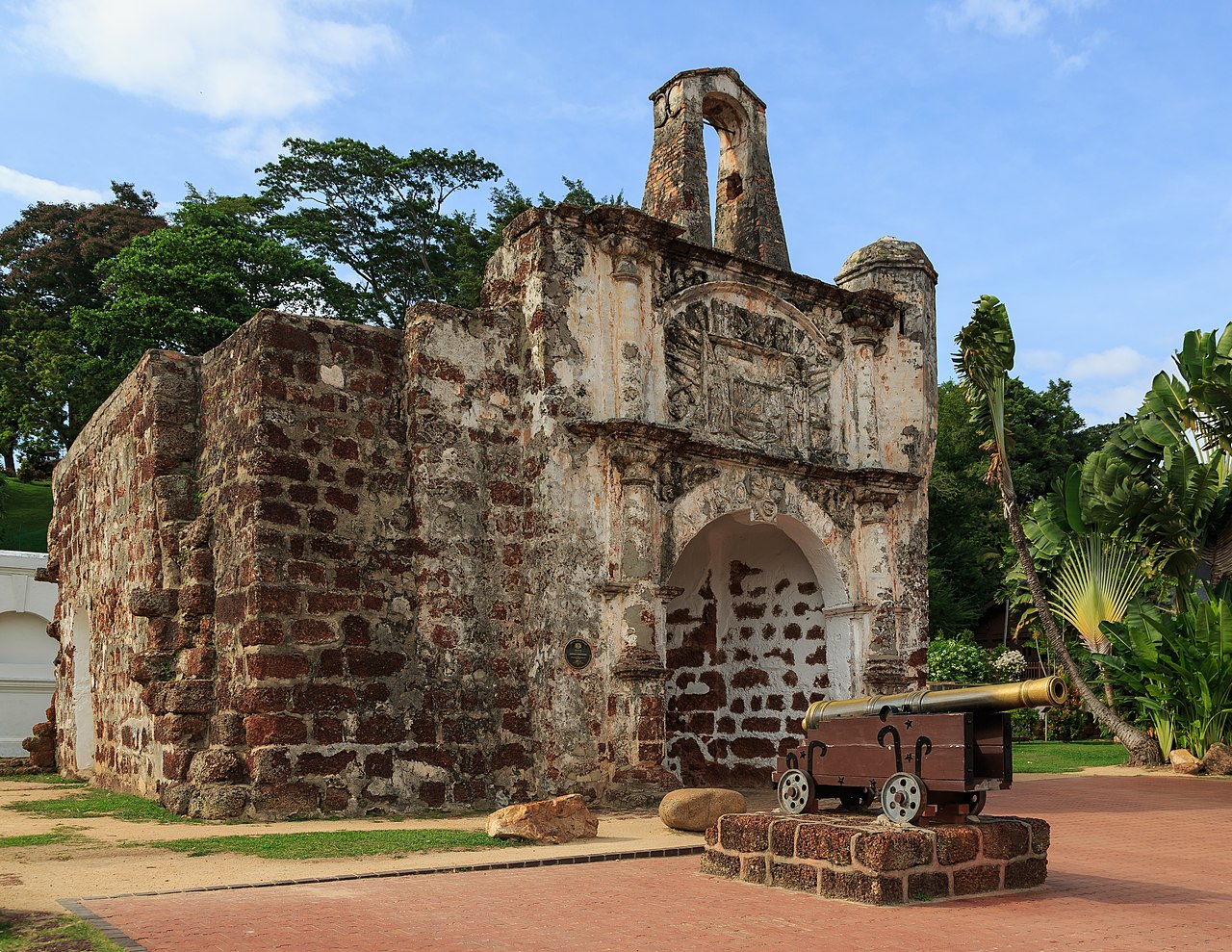
Malacca's prominence began with the rise of the Malacca Sultanate around the 15th century, when the port became a major entrepôt for spices and goods moving between East and West. European colonial powers later contested control: the Portuguese captured the city in the early 16th century, followed by Dutch and British influence in subsequent centuries. These layers of history left a distinctive architectural and cultural imprint visible in forts, churches and trading houses.
Culture, heritage and tourism
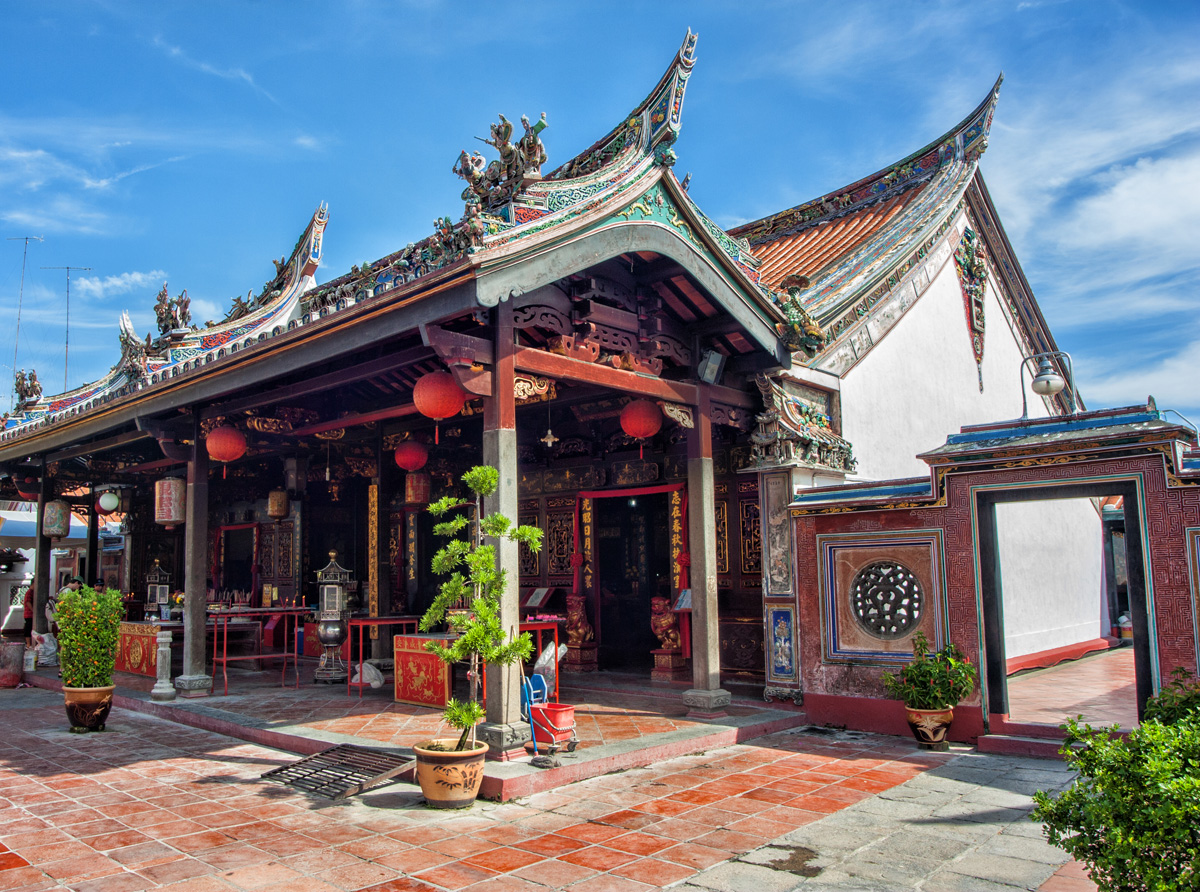
Malacca City is noted for its blend of Malay, Chinese and European heritage. In 2008 the city was inscribed as a UNESCO World Heritage Site together with George Town, highlighting its historic townscape and multicultural legacy. Visitors are drawn to sites such as the old fortress remains, colonial-era buildings, Buddhist and Chinese temples, and the narrow lanes of heritage districts. Local cuisine, especially Peranakan or Nyonya dishes, reflects centuries of cultural mixing.
Economy and contemporary role
Today Malacca's economy combines tourism, light industry and port-related services. The state's proximity to major shipping lanes keeps maritime commerce and logistics as important activities. At the same time, preservation of historic districts and promotion of cultural festivals support a growing tourism sector.
Notable features
- Historic port city with layered colonial architecture and cultural fusion.
- Strategic location on the Strait of Malacca, a vital global shipping corridor.
- UNESCO recognition for the historic city area and living heritage.
- Rich Peranakan traditions and diverse religious sites.
For further general reference about the region's names, geography and civic centre see the linked entries on the Chinese name (马六甲), national context (Malaysia), peninsula geography (Malay Peninsula) and the state capital (Malacca City).
Related articles
Author
AlegsaOnline.com Malacca (Melaka): history, culture and strategic importance Leandro Alegsa
URL: https://en.alegsaonline.com/art/60916
Sources
- tourism.gov.my : "Melaka: Historical City"