
Malacca City (Melaka): overview, history and cultural highlights
Malacca City (Melaka) is the capital of the Malaysian state of Melaka, known for its strategic port, layered colonial history, Peranakan culture, and a UNESCO-listed historic core.
Overview
Malacca City, officially rendered in Malay as Bandaraya Melaka and commonly called Melaka, is the capital of the Malaysian state of Melaka. It stands on the Malay Peninsula's southwestern coast beside the Strait of Malacca, a historic maritime route that linked East and West. The city's long history as a trading entrepôt shaped its multiethnic character and built environment.
Image gallery
10 Images




Characteristics and notable sites
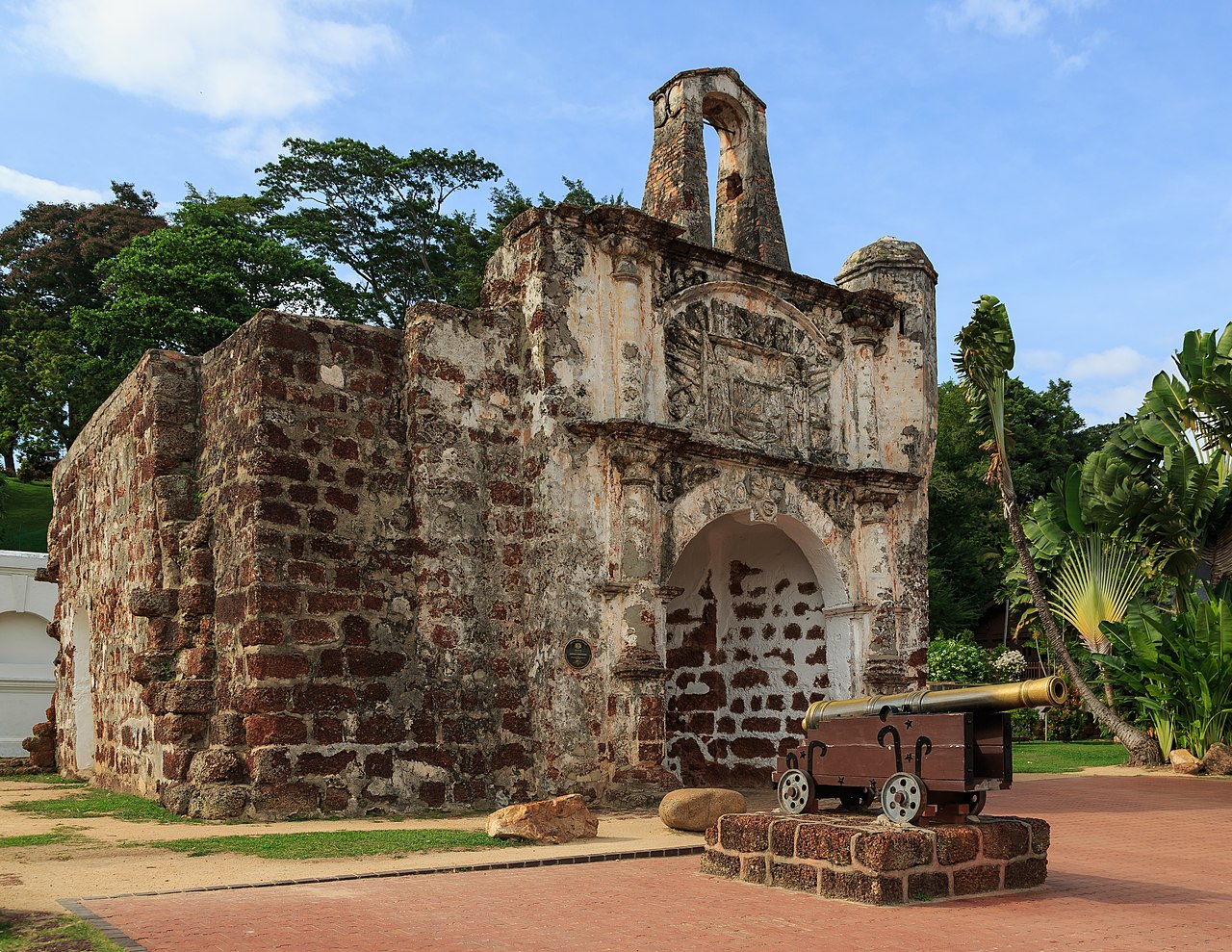
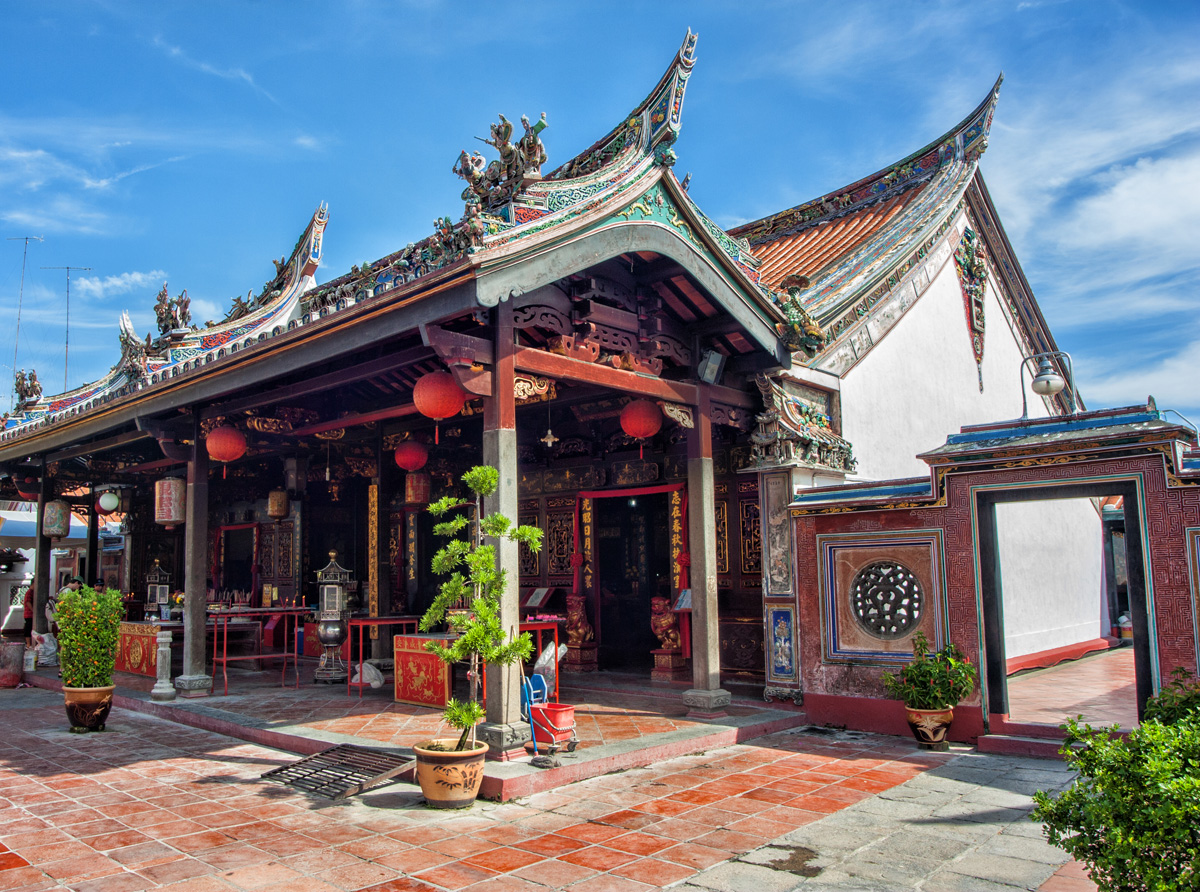
The urban core combines narrow colonial streets, riverfront promenades and market lanes. Well known landmarks include the ruins of the Portuguese fortress A Famosa, the Dutch-era Stadthuys and Christ Church around Dutch Square, and the lively Jonker Street antique quarter. Religious and communal sites such as Cheng Hoon Teng Temple and various mosques and churches reflect cultural diversity.
History and development
Local tradition credits the founding of the port kingdom to Parameswara around 1400, after which Malacca grew rapidly as a regional trade hub. European powers arrived in succession: the Portuguese seized the city in 1511, the Dutch took control in the 17th century, and the British acquired it in the 19th century. These layers of rule left distinctive architectural and administrative legacies. In 2008 the historic city center, together with George Town in Penang, was inscribed on the UNESCO World Heritage List for its testimony to maritime trade and cultural interchange.
Culture, cuisine and community
Melaka is notable for its Peranakan (Baba‑Nyonya) heritage, a hybrid of Chinese and Malay customs, as well as a Portuguese-Eurasian Kristang community and other groups. The local food scene highlights this mixture: Nyonya cooking, street hawker fare and regional specialities draw many visitors. Festivals, craft traditions and museums maintain both intangible and tangible heritage.
Economy and contemporary role
Tourism and heritage conservation are central to the city's economy, supported by small-scale manufacturing and services. Urban revitalization projects focus on preserving historic fabric while accommodating riverfront leisure, museums and cultural events. Malacca's position on the Strait continues to be strategically and symbolically important for regional maritime history.
Sights to explore
- A Famosa and its surviving gateway
- The Stadthuys and Dutch Square
- Jonker Street night market and antique shops
- Cheng Hoon Teng Temple and other historic places of worship
For broader context about the country and state administration see Malaysia and the state government of Melaka.
Related articles
Author
AlegsaOnline.com Malacca City (Melaka): overview, history and cultural highlights Leandro Alegsa
URL: https://en.alegsaonline.com/art/60915