
Málaga: Spanish port city on the Costa del Sol
Málaga is a major Andalusian city on Spain’s Mediterranean coast. Known for warm winters, historic monuments, a busy port, cultural museums and as the birthplace of Pablo Picasso.
Málaga is a prominent city on Spain's southern Mediterranean shore and the capital of the Province of Málaga. Located in Andalusia, it is the region's second largest city after Seville and ranks among the largest urban centres in Spain. The municipality contains roughly 560,000 inhabitants, while the wider metropolitan area exceeds one million people. The city's position on the coast and its historical role as a maritime gateway have shaped its economy, culture and urban fabric.
Image gallery
10 Images




Location, geography and climate
Málaga lies on the Costa del Sol (the "Coast of the Sun") and is often described as the southernmost large city in continental Europe. It faces the western Mediterranean and has a sheltered natural port. The urban area stretches from the shore into low hills and the Sierra de Mijas and Montes de Málaga. The city is about 100 km east of the Strait of Gibraltar and roughly 130 km north of the coast of North Africa, giving it a temperate maritime influence.
The climate is typically described as subtropical–Mediterranean: winters are mild and summers hot and dry. Daytime winter temperatures commonly reach the mid-teens Celsius and nights rarely fall to severe lows, which contributes to year-round tourism and outdoor activity.
History and landmarks
Málaga has a long recorded history that includes Phoenician, Roman and Islamic periods before becoming part of the Christian kingdoms. Layers of that past are visible in surviving monuments such as the Roman theatre, the Muslim Alcazaba fortress and the hilltop Castillo de Gibralfaro. The city's Renaissance cathedral, nicknamed "La Manquita" (the one-armed lady) because one of its towers is unfinished, is another major landmark.
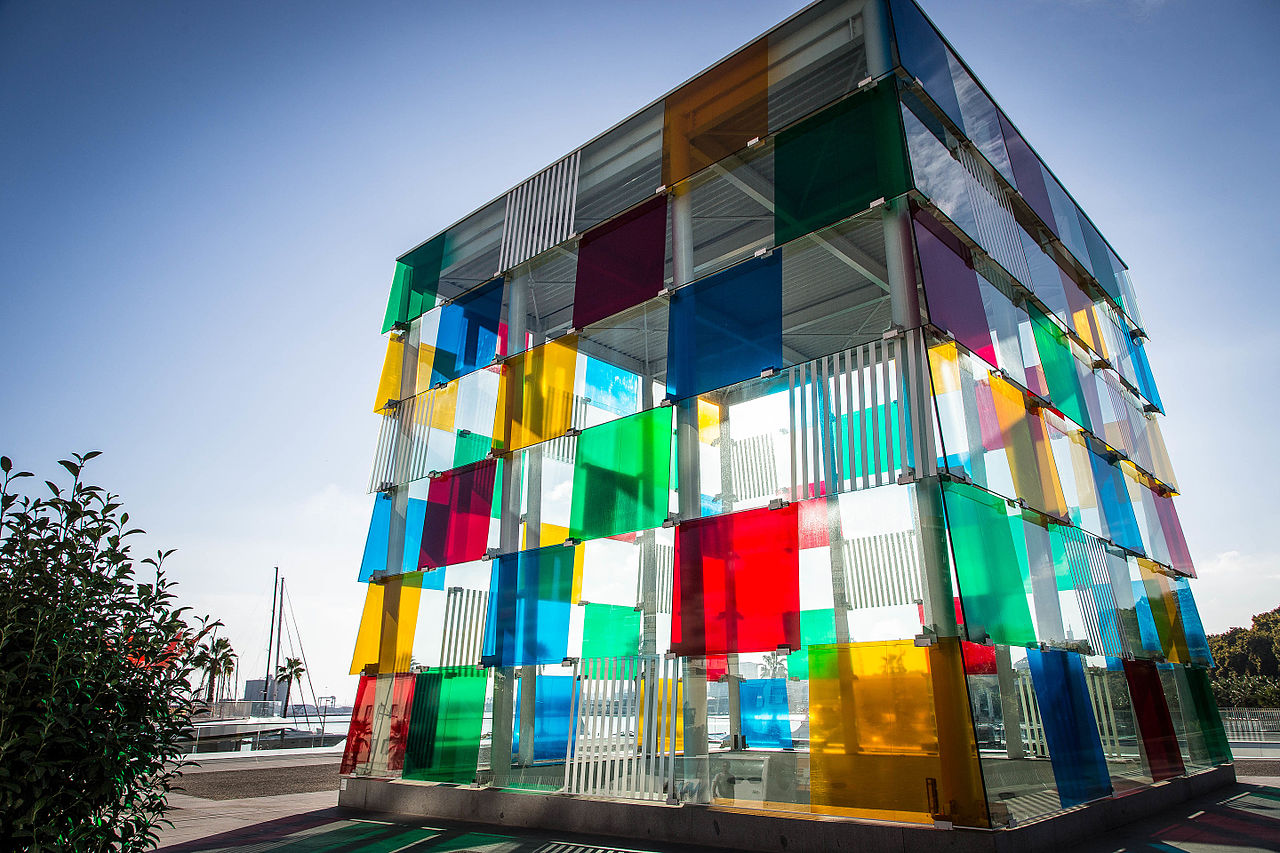
Modern Málaga also emphasizes cultural heritage: it is the birthplace of the painter Pablo Picasso, and his legacy is presented in dedicated museums alongside institutions that cover archaeology, contemporary art and local history.
Economy, transport and urban life
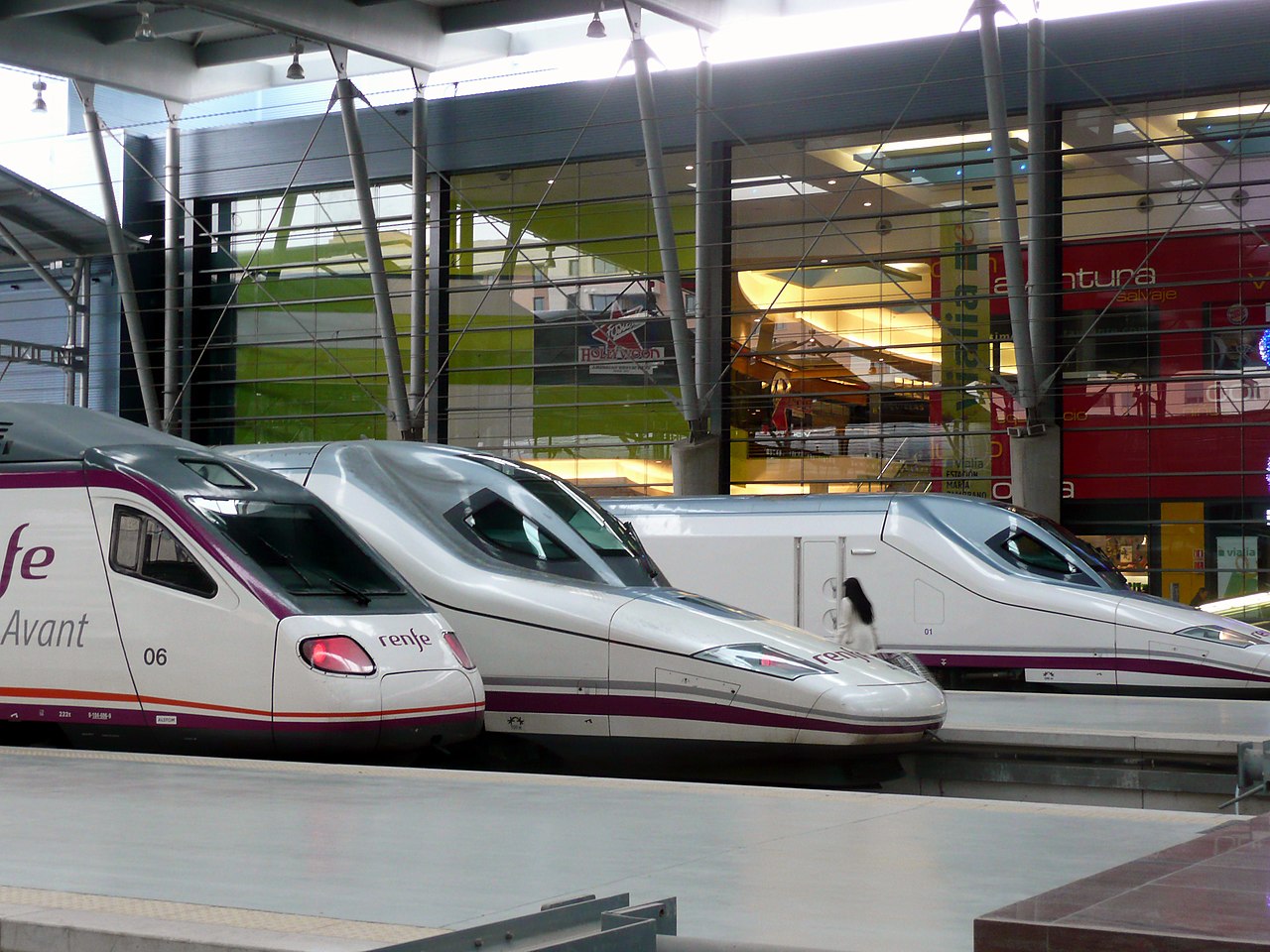
Málaga's economy combines tourism, a commercial port, services, light manufacturing and a growing technology and creative sector. The Port of Málaga handles cruise ships, freight and local ferry services. The city is served by an international airport and rail connections to other Spanish cities, which support both tourism and business travel.
Culture, events and cuisine
The city's cultural calendar features traditional Andalusian fairs, religious Holy Week processions and contemporary festivals. Museums, galleries and preserved historic quarters attract visitors year-round. Local cuisine highlights fresh seafood, small fried fish known locally as pescaíto frito, tapas, and regional wines; cafés and beachside chiringuitos are part of daily life.
Notable facts and distinctions
- Málaga combines an ancient historic centre with modern urban amenities and a busy port on the Mediterranean.
- It is an important cultural and tourist hub in Andalusia and across Spain, with a metropolitan population surpassing one million.
- The city’s mild winters and sunny climate have made it a long-standing destination for visitors and seasonal residents from across Europe.
Related articles
Author
AlegsaOnline.com Málaga: Spanish port city on the Costa del Sol Leandro Alegsa
URL: https://en.alegsaonline.com/art/60926
Sources
- boe.es : "Archived copy" · web.archive.org
- books.google.com : The Phoenicians and the West: Politics, Colonies and Trade
- koeppen-geiger.vu-wien.ac.at : "World Map of Köppen−Geiger Climate Classification" · web.archive.org
- malaga.com : "Málaga City – Local Travel Information and City Guide"
- aemet.es : "Málaga Aeropuerto: Málaga Aeropuerto - Valores extremos absolutos - Selector - Agencia Estatal de Meteorología - AEMET. Gobierno de España"
- sobremalaga.com : "La gran nevada de 1954"
- aemet.es : "Valores Climatológicos Normales. Málaga / Aeropuerto"
- weather.gov.hk : "Climatological Information for Málaga, Spain"
- climatetemp.info : "Málaga Climate, Temperature, Average Weather History, Rainfall/ Precipitation, Sunshine" · web.archive.org
- aemet.es : "Valores extremos. Málaga Aeropuerto"
- aemet.es : "Highest and lowest means. Málaga Aeropuerto"