
Majoidea: spider crabs and related families
Majoidea is a superfamily of crabs in the infraorder Brachyura, often called spider crabs. They have long legs, a triangular carapace, and many species use camouflage; taxonomy has been revised by modern studies.
Majoidea is a large assemblage of marine crabs commonly referred to as spider crabs or decorator crabs. The group is treated as a superfamily within the true crabs, and its members belong to the infraorder Brachyura. These animals are a familiar component of many coastal and continental-shelf ecosystems and are recognized by their distinctive body shape and behavior.
Image gallery
8 Images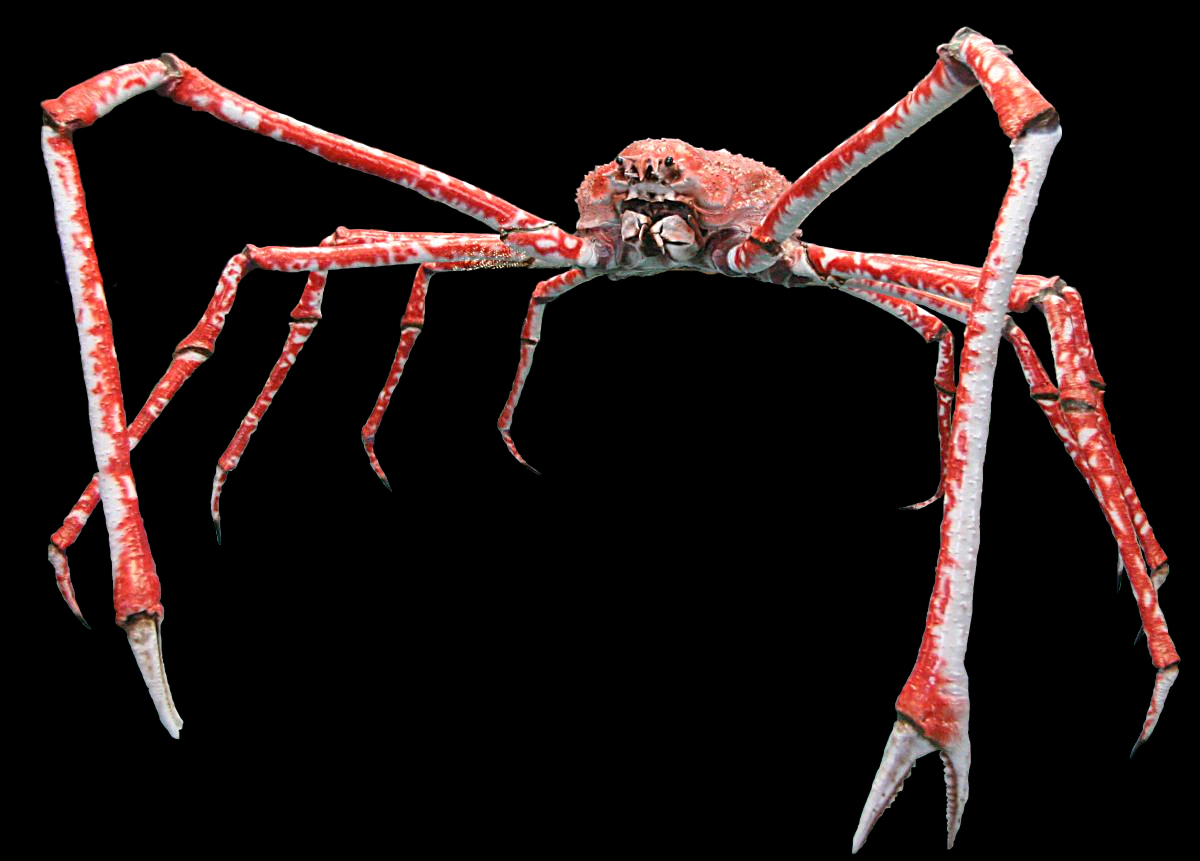


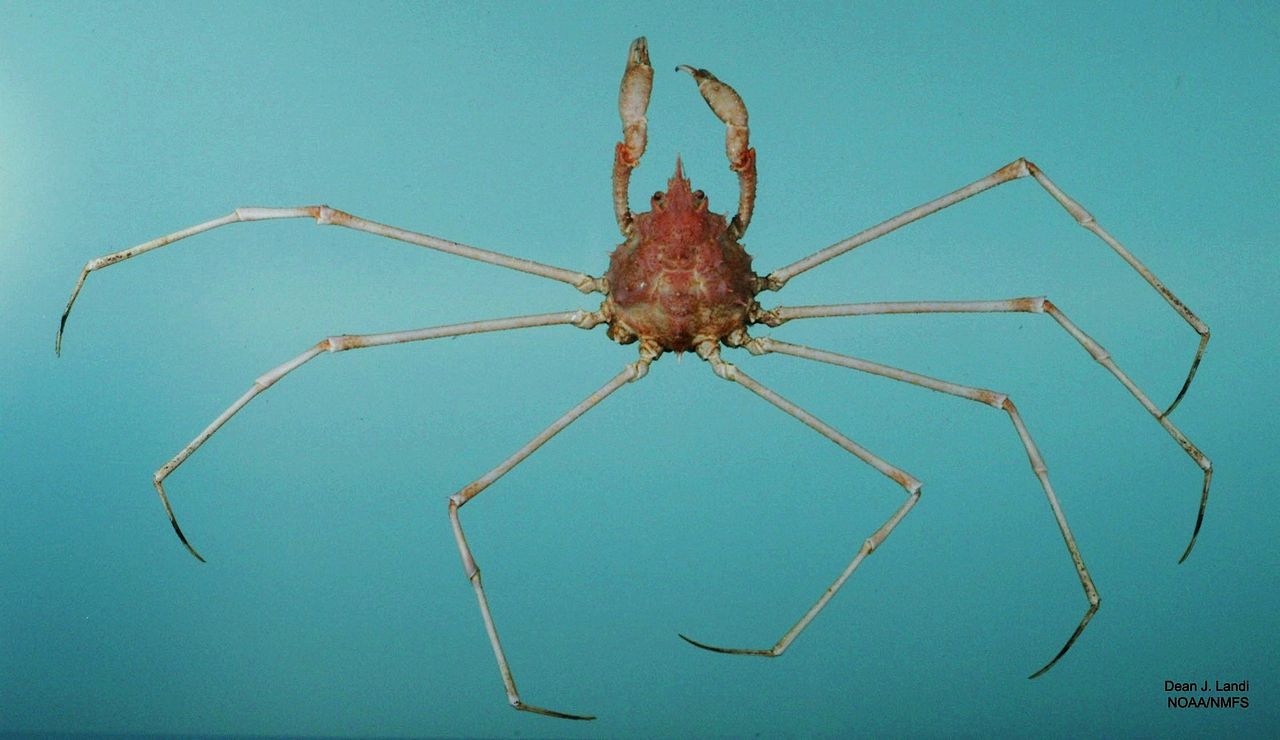

Characteristics
Majoideans typically have a more or less triangular or fan-shaped carapace and relatively long, slender legs that give them a spidery appearance. Many species possess hooked setae (bristles) on the shell and legs that allow them to attach bits of algae, sponge, or debris as camouflage. The rostral region (front of the carapace) is often produced into spines or projections, and the overall texture and sculpture of the carapace vary widely between species.
Taxonomy and families
Classification within Majoidea has changed as researchers combine morphological study with molecular data. Taxonomists now split what was once a single broad family into several more narrowly defined families. Commonly cited families include Epialtidae, Inachidae, Majidae and Mithracidae, though some treatments recognize additional groups or merge names depending on the criteria used.
Ecology and life history
Members of this superfamily occur worldwide from shallow intertidal zones to deeper waters. They have omnivorous and scavenging diets, feeding on algae, detritus and small invertebrates. Reproduction follows the typical crab pattern: planktonic larval stages (zoea and megalopa) develop in the water column before settling to the benthos. The decorating habit provides effective predator avoidance and can influence small-scale community interactions.
Uses, importance and notable facts
Majoidea species are ecologically important as both consumers and prey. They are not major commercial fisheries in most regions, though some species are taken locally for food or collected for aquaria. The group's striking morphology and decorator behavior make them a frequent subject of natural-history observations. For general overviews of related groups see pages on crabs and the infraorder Brachyura.
- Typical common names: spider crabs, decorator crabs.
- Habitats: coastal rocks, seagrass beds, soft sediments, continental slopes.
- Research: taxonomy increasingly informed by DNA studies.
Related articles
Author
AlegsaOnline.com Majoidea: spider crabs and related families Leandro Alegsa
URL: https://en.alegsaonline.com/art/60850
Sources
- rmbr.nus.edu.sg : "A classification of living and fossil genera of decapod crustaceans"
- mapress.com : "The position of the Hymenosomatidae MacLeay, 1838, within the Brachyura (Crustacea, Decapoda)"