
Maltese (dog): small Mediterranean companion breed
The Maltese is an ancient small companion dog associated with the island of Malta and the Mediterranean. Known for its silky white coat, lively personality and role as a lapdog and show dog worldwide.
Overview
The Maltese is a toy‑sized companion dog long associated with the central Mediterranean and the island of Malta. Admired for its long, white, silky coat and bright, alert expression, the breed has been kept mainly as a companion and lapdog rather than a working animal. For modern readers a useful summary can be found in many breed profiles, for example breed overviews.
Image gallery
5 Images



Origins and history
The precise origins of the Maltese are debated. Historical and archaeological evidence suggests small white dogs circulated around the Mediterranean for millennia. Some writers link early forms of the type to maritime traders such as the Phoenicians, and there are ancient depictions of small companion dogs in Mediterranean and Egyptian art. Observers have noted dog figures in scenes from Ancient Egypt and even a canine representation in a tomb that is sometimes connected with rulers like Ramesses II. The modern name derives from the island of Malta, which became associated with the type in classical and medieval sources.
Appearance and characteristics
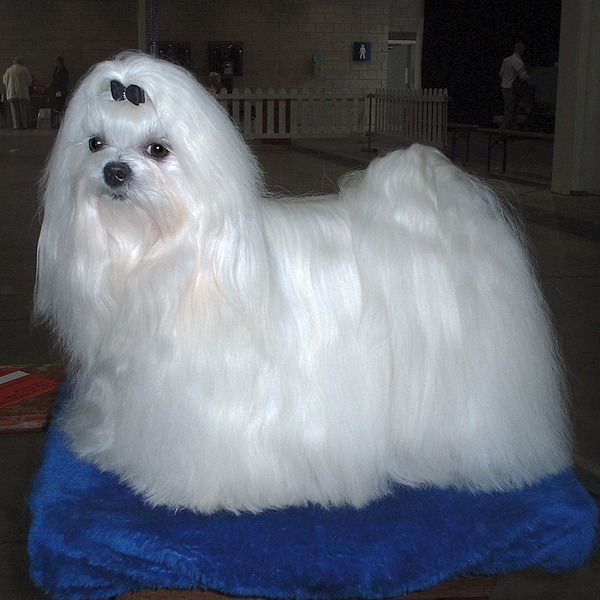
Maltese are very small dogs, typically compact and low to the ground with a fine‑boned structure. Their most distinctive feature is a long, straight, silky white coat that hangs down both sides of the body; the hair may be kept long for show or trimmed short for convenience. They usually have dark, expressive eyes and a black nose and lips that provide contrast with the coat. Typical adult size is toy range, with many individuals under approximately 4 kg (8–10 lb) and standing about 20–25 cm at the shoulder.
Temperament and uses
Primarily companion animals, Maltese dogs are lively, affectionate, and people‑oriented. They often form strong bonds with their owners and enjoy indoor life; their small size suits apartment living. Historically prized by nobility and kept as lap companions, today they serve as household pets, show dogs and in some cases therapy dogs, due to their gentle disposition and eagerness to interact with people.
Care, grooming and health
- Grooming: The long coat requires regular brushing to prevent tangles; many owners choose a shorter “puppy cut” for easier maintenance. Routine bathing and dental care are important.
- Health: As a small breed, Maltese can be prone to dental disease, patellar luxation and other conditions seen in toy breeds. Responsible breeders screen for genetic problems and provide health clearances.
- Lifespan: They are generally long‑lived for dogs of their size when well cared for, and can remain active companions for many years.
Distinctions and similar breeds
Maltese are often compared with other small white companion breeds such as the Bichon Frise or Havanese. Key distinctions include coat texture and certain proportions—the Maltese coat is typically straighter and silkier. When considering a pet, prospective owners should assess temperament, grooming needs and health screening practices rather than appearance alone.
For more detailed historical discussion, care guides and breed standards consult specialist sources and breed clubs linked in introductory materials such as breed overviews and historical summaries like Phoenician trade studies or archaeological references to Ancient Egypt, the tomb finds and references to Ramesses II and the island of Malta.
Questions and answers
Q: Where did the Maltese breed originate?
A: The Maltese breed originated in Malta.
Q: Who may have brought precursors of the Maltese breed to Ancient Egypt?
A: Phoenician traders may have brought precursors of the Maltese breed to Ancient Egypt.
Q: What can be found in the tomb of Ramesses II that resemble the Maltese?
A: Statues of dogs that resemble the Maltese can be found in the tomb of Ramesses II.
Q: Where did the Maltese get their name?
A: The Maltese got their name from the island Malta.
Q: How big do Maltese dogs typically get?
A: Maltese dogs are small and can grow up to about 25 centimeters in length and 4 kilograms in weight.
Q: What is the average weight of a Maltese dog?
A: The average weight of a Maltese dog is 4 kilograms (8.8 lb).
Q: What is the main characteristic of the Maltese breed?
A: The main characteristic of the Maltese breed is that they are small in size.
Related articles
Author
AlegsaOnline.com Maltese (dog): small Mediterranean companion breed Leandro Alegsa
URL: https://en.alegsaonline.com/art/61080