
Mamba (Dendroaspis): fast-moving African venomous snakes
Mambas are a small genus of highly venomous African snakes (Dendroaspis). This article explains their appearance, behaviour, venom, species differences, habitat, and medical and cultural significance.
Overview
Mambas are a group of fast-moving venomous snakes in the genus Dendroaspis, a name often rendered as "tree asp." They belong to the family Elapidae and are native to Africa. The genus contains a few closely related species that vary in colour, habitat and habits but share similar anatomy and potent venom.
Image gallery
7 Images

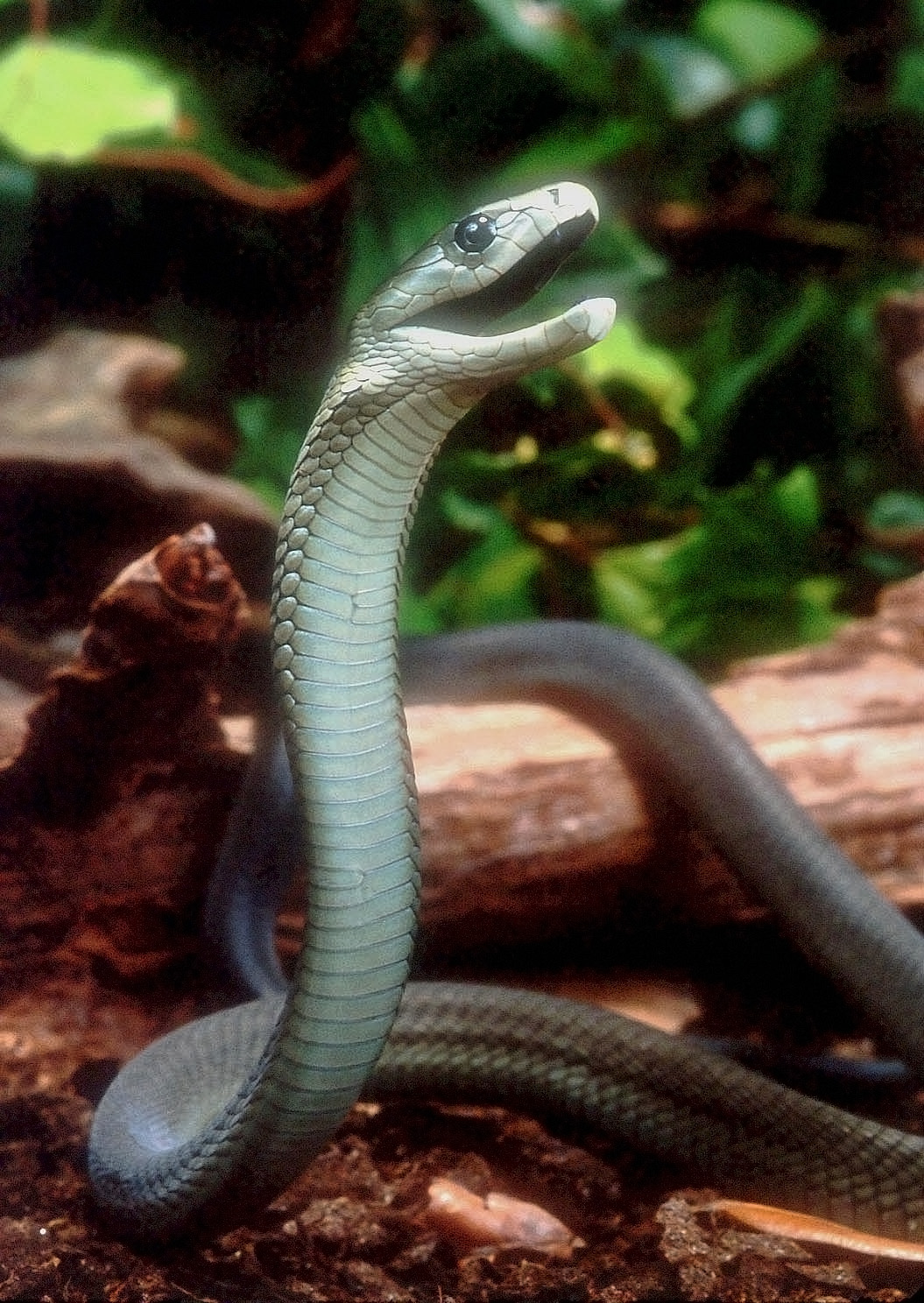


Characteristics and appearance
Mambas are slender, agile snakes with smooth scales and long bodies relative to many other elapids. Colouration ranges from olive or bright green in the green mambas to darker, sometimes grey-brown tones in others. The inside of the mouth of the well-known Black mamba is dark, which contributed to its common name. Key features include a narrow head, large eyes, and a quick, purposeful movement that allows them to escape predators or pursue prey.
Species and distinctions
There are a few recognised species in the genus; notable examples include:
- Black mamba — primarily terrestrial and often associated with savanna and rocky areas.
- Eastern green mamba and Western green mamba — typically arboreal and found in forested or coastal thicket habitats.
- Jameson's mamba — occupies a range of woodland and forest edges and shows behaviour intermediate between the green and black mambas.
For further comparisons and lists of species, see other members and related information.
Behaviour, diet and reproduction
Mambas feed chiefly on small mammals, birds and occasionally lizards. Arboreal species hunt among branches and foliage, while terrestrial species take more ground-dwelling prey. They are oviparous (egg-laying). In general, mambas are shy and avoid contact with people, but when threatened they can become defensive and deliver rapid strikes.
Venom and medical importance
Mamba venom is primarily neurotoxic and acts quickly on the nervous system, which can lead to respiratory paralysis if untreated. Because bites may progress rapidly, prompt medical attention and the administration of appropriate antivenom are critical. Modern antivenoms and supportive care have greatly reduced fatalities where healthcare is accessible.
Habitat, conservation and cultural notes
Mambas occupy a range of African habitats from forests and coastal thickets to savannas and rocky outcrops. While not all species are considered threatened, habitat loss and human persecution can affect local populations. Culturally, mambas have a prominent place in African folklore and are often depicted in accounts emphasizing their speed and danger; scientific study provides a more nuanced picture of their ecology and the role they play in controlling rodent and bird populations.
Notable facts
Despite their fearsome reputation, mambas generally prefer to flee rather than confront large animals. Distinguishing between arboreal green species and the more terrestrial black species helps understand differences in behaviour, diet and human encounters. Continued research and public education improve coexistence and reduce unnecessary killing of these ecologically important snakes.
Questions and answers
Q: What is a mamba?
A: A mamba is a venomous snake of the genus Dendroaspis, which means "tree asp" and they belong to the Elapidae family.
Q: Where are mambas native to?
A: Mambas are native to Africa.
Q: What are the most well-known species of mambas?
A: The black mamba is the most well-known species of mambas.
Q: Is the black mamba venomous?
A: Yes, the black mamba is venomous.
Q: What are some other species of mambas?
A: Other species of mambas include the eastern green mamba, western green mamba and Jameson's mamba.
Q: Why is the black mamba the most feared species of mambas?
A: The black mamba is the most feared species of mambas due to its venom potency, speed and aggressive nature.
Q: What is the meaning of the genus name of mambas, Dendroaspis?
A: The genus name of mambas, Dendroaspis, means "tree asp" as these snakes are known to climb trees.
Related articles
Author
AlegsaOnline.com Mamba (Dendroaspis): fast-moving African venomous snakes Leandro Alegsa
URL: https://en.alegsaonline.com/art/61115
Sources
- itis.gov : "Dendroaspis"
- animals.nationalgeographic.com : "National Geographic (Black Mamba, Dendroaspis polylepis)"
- doi.org : 10.1580/1080-6032(1996)007[0115:PCOTVO]2.3.CO;2
- pubmed.ncbi.nlm.nih.gov : 11990104
- proteopedia.org : Fasciculin
- cogs.csustan.edu : Neurotoxins in Snake Venom
- drdavidson.ucsd.edu : "IMMEDIATE FIRST AID"