
Malacostraca — anatomy, diversity, evolution and human importance
Malacostraca is the largest group of crustaceans, including crabs, lobsters, shrimp, mantis shrimp and krill. This article summarizes their body plan, diversity, fossil record, ecology and uses.
Overview
Malacostraca (from Greek for "soft shell") form the largest and most familiar assemblage within the broader group of crustaceans. Members range from familiar commercial species such as crabs, lobsters and shrimp to specialised groups like the raptorial mantis shrimp and the planktonic krill. Described malacostracan species number in the tens of thousands and account for roughly two thirds of known crustacean diversity.
Image gallery
10 Images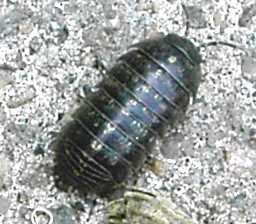


Major groups and examples
- Decapoda: crabs, lobsters, prawns and many shrimp (commercially and ecologically important).
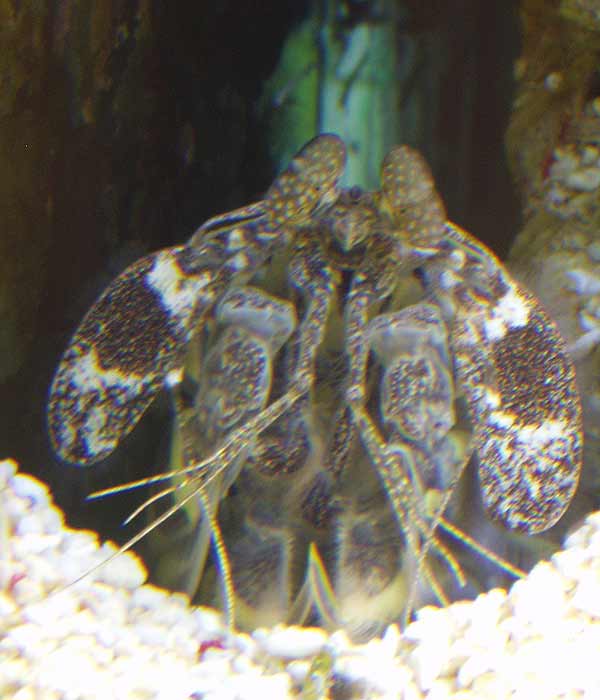
- Stomatopoda: mantis shrimps, noted for powerful, specialised raptorial appendages.
- Euphausiacea: krill, key planktonic consumers in polar and temperate seas.
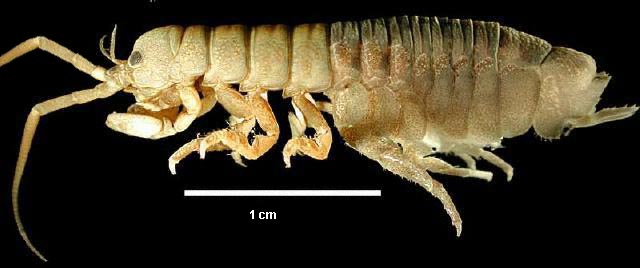
- Isopoda and Amphipoda: diverse benthic, pelagic and terrestrial forms (including woodlice).
- Leptostraca, Mysida, Cumacea and others: smaller or more cryptic groups that help fill marine niches.
Anatomy and life cycle
Malacostracans share a generalized body plan divided into head, thorax and abdomen with a series of paired, often biramous appendages. Many have a calcified exoskeleton, compound eyes and a segmented abdomen bearing swimming limbs (pleopods) and a tail fan formed by uropods and the telson in decapods. Development varies: some species hatch as miniature adults, while others pass through distinct larval stages such as nauplius, zoea or mysis before reaching maturity.
Diversity, evolution and classification
About 22,000 species are currently described, but many more remain undiscovered or unstudied. The malacostracan fossil record extends back hundreds of millions of years; putative early representatives appear in Palaeozoic deposits and some claims trace precursors to the Cambrian. Systematists continue to refine higher-level relationships: in some treatments Malacostraca is ranked as a class, while other schemes treat it as a subclass within Crustacea (classification debate).
Ecology, uses and notable facts
Ecologically, malacostracans occupy nearly every aquatic habitat and some terrestrial ones, serving as predators, scavengers, detritivores and primary consumers. Krill fuel polar food webs, decapods shape benthic communities and some isopods recycle organic matter. For humans they are vital as seafood, fisheries resources and subjects of biological research (for example, mantis shrimp visual systems and shrimp aquaculture). Distinctive traits—chelate claws, raptorial limbs, and varied reproductive strategies—help explain their wide success and economic importance.
Further reading
For general overviews and keys to families and orders consult authoritative texts and online resources on crustaceans and specialized treatments of decapods, stomatopods and krill (see links above for representative groups).
Questions and answers
Q: What are Malacostraca?
A: Malacostraca are the largest subgroup of crustaceans that include decapods, stomatopods, and krill.
Q: Which crustaceans are included in Malacostraca?
A: Decapods, stomatopods, and krill are included in Malacostraca.
Q: How many members are in Malacostraca?
A: There are 22,000 members in Malacostraca.
Q: What percentage of all crustacean species do Malacostraca represent?
A: Malacostraca represent two thirds of all crustacean species.
Q: When did the first malacostracans appear?
A: The first malacostracans appeared in the Cambrian period.
Q: Is Malacostraca considered a class or a subclass?
A: The classification of crustaceans is currently being debated, but some think Malacostraca is a class while others think it is a subclass.
Q: What is the meaning of "Malacostraca"?
A: "Malacostraca" is Greek for "soft shell".
Related articles
Author
AlegsaOnline.com Malacostraca — anatomy, diversity, evolution and human importance Leandro Alegsa
URL: https://en.alegsaonline.com/art/60919