
Manganese carbonate (manganese(II) carbonate, MnCO3)
Manganese(II) carbonate (MnCO3) is an inorganic compound occurring as the mineral rhodochrosite; used as a precursor to manganese oxides, pigments and ceramics; decomposes to MnO and CO2 on heating.
Overview
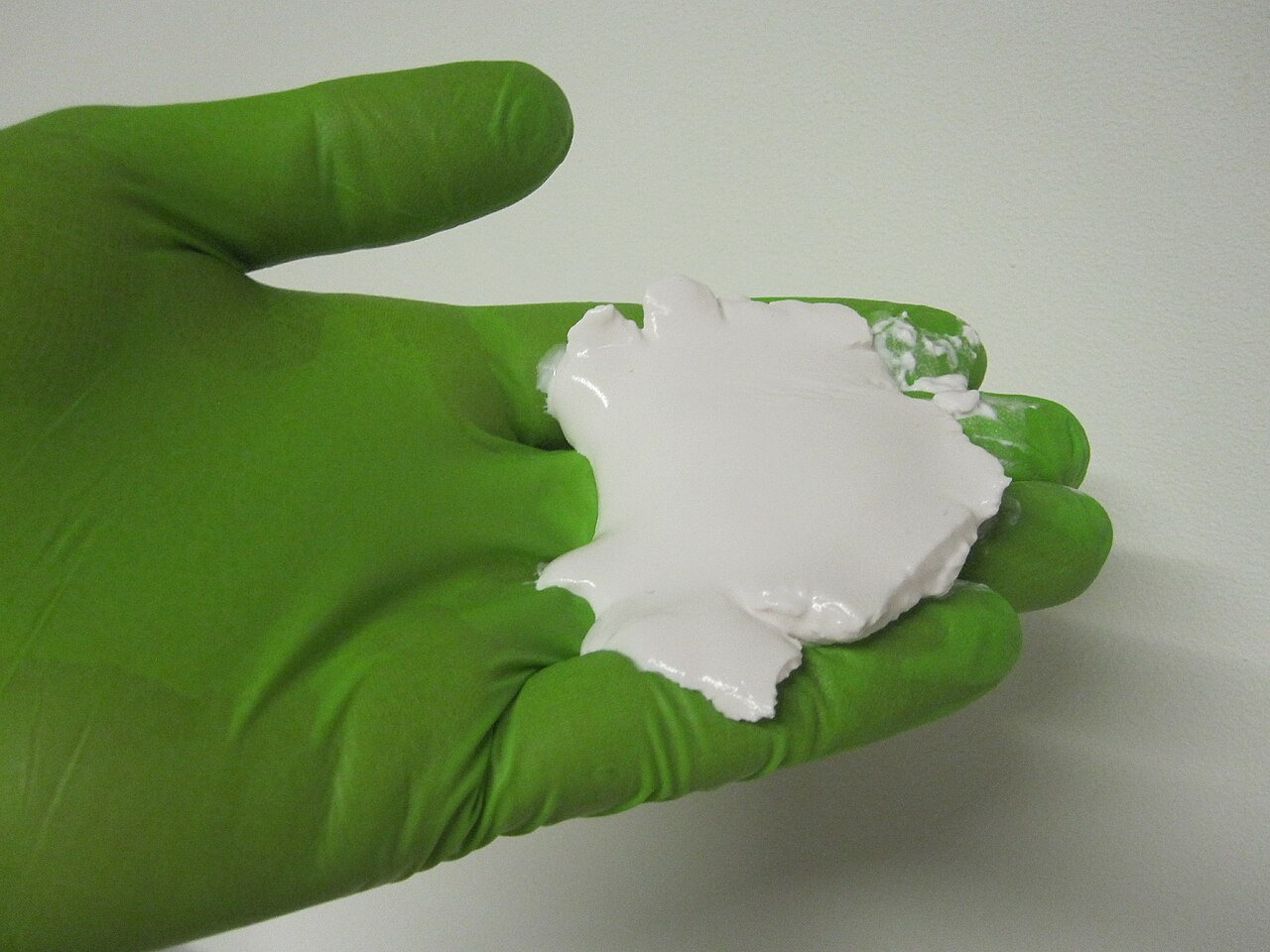
Manganese carbonate, formula MnCO3, is an inorganic manganese salt in which manganese is in the +2 oxidation state. It commonly appears as a pale to brownish powder when prepared synthetically, and as the pinkish to red mineral rhodochrosite in nature. In many contexts the name refers both to the pure synthetic compound and to the naturally occurring mineral form.
Image gallery
4 Images

Chemical and physical characteristics
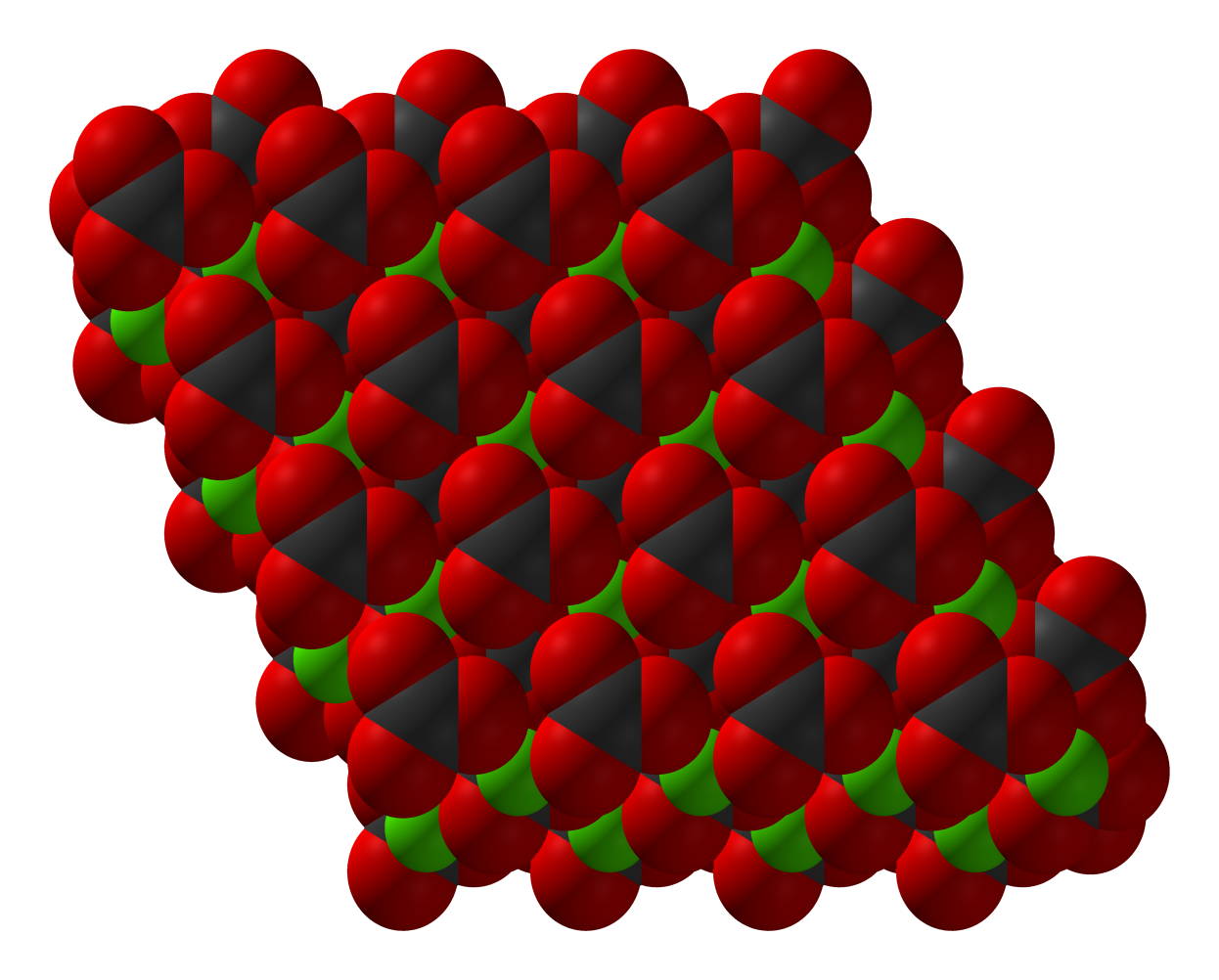
MnCO3 is essentially insoluble in water and decomposes on heating to give manganese(II) oxide and carbon dioxide. It reacts with acids to liberate carbon dioxide and produce soluble manganese(II) salts. The compound adopts a calcite-type crystal structure in its well-formed mineral specimens. Because manganese in MnCO3 is divalent, it has chemistry similar in some respects to other metal carbonates such as those of calcium and iron.
Preparation and typical reactions
The laboratory synthesis is usually a simple precipitation: a soluble manganese(II) salt is mixed with a carbonate source to yield the carbonate precipitate. A common example is the reaction of manganese(II) chloride with sodium carbonate, which produces MnCO3 and sodium chloride as a byproduct. When heated, MnCO3 decomposes to manganese(II) oxide plus carbon dioxide, making it a convenient precursor for oxide materials used in ceramics and technical applications. For more on the compound itself see Manganese carbonate, and for typical thermal behavior see thermal decomposition.
Uses and applications
Though not as widely encountered as some manganese oxides, manganese carbonate is important as a precursor in several areas:
- Production of manganese oxides for ceramics, glazes and catalyst materials.
- Intermediate in the manufacture of certain battery and electrode materials after conversion to oxides.
- Source material in chemical syntheses and for preparing other manganese salts by reaction with acids.
It is also of mineralogical and gemological interest when encountered as rhodochrosite, which is valued for its color and crystal forms.
History, origin and notable distinctions
The natural form, rhodochrosite, has been recognized and used since antiquity as an ore of manganese and as an ornamental stone; its name comes from Greek words referring to its rose color. Chemically, MnCO3 should be distinguished from basic manganese carbonates and hydrated or mixed carbonate species, which contain hydroxide or water and display different properties. Manganese can adopt multiple oxidation states in other compounds, so the simple carbonate specifically indicates manganese in the +2 state.
Handling and safety
As with many manganese compounds, prolonged inhalation of dust or fumes should be avoided because chronic exposure to manganese can affect the nervous system. MnCO3 should be handled with basic industrial hygiene: avoid dust generation, use gloves and eye protection, and store in a dry, labeled container. For practical preparation the starting reagents commonly used include manganese(II) chloride and sodium carbonate—see MnCl2 and Na2CO3—and carbon dioxide is the gaseous product of acid or thermal decomposition (CO2).
Readers seeking detailed material safety data or advanced preparative methods should consult technical references or safety datasheets provided by suppliers and authoritative chemical handbooks.
Related articles
Author
AlegsaOnline.com Manganese carbonate (manganese(II) carbonate, MnCO3) Leandro Alegsa
URL: https://en.alegsaonline.com/art/61283