
Malayali people: language, culture, history and diaspora
Malayalis are the native Malayalam speakers of Kerala, India, noted for a distinct Dravidian language, rich performing arts, varied religious traditions, high social indicators and a widespread diaspora.
Overview
The Malayali or Malayalee people are the native speakers of Malayalam, a language of the Dravidian family. Their cultural heartland is the southwestern coastal region of India associated with the state of Kerala, although many Malayalis live elsewhere in India and around the world. Malayalis are religiously diverse and include large communities of Hindus, Muslims and Christians. The community is often called Keralite in broader usage and plays a prominent role in the social and cultural life of southern India (India).
Image gallery
10 Images





Language and literature
Malayalam is the primary marker of Malayali identity. It developed its own script and a long literary tradition with medieval devotional poetry, classical metres and an evolving modern literature that includes novels, short stories and poetry. Modern Malayalam literature and criticism have produced internationally recognized writers, and the language supports a thriving publishing culture. The film industry in the Malayalam language has also produced a range of cinema from popular entertainment to art-house films (cinema).
History and origins
The Malayali cultural region grew along the Malabar Coast through centuries of local kingdoms, maritime trade and contact with other cultures. Historic trade with the Arabian Peninsula, Southeast Asia and Europe brought new crops, ideas and religious influences. Colonial eras and missionary activity had lasting effects on education, social reform and religious change. Historically some communities practised matrilineal inheritance, a custom that has largely changed under modern legal and economic pressures.
Society, education and health
Kerala and Malayali society are often noted for relatively high literacy rates, strong public health measures and active civic participation. These developments are sometimes described collectively in discussions of a distinctive regional development path. Social reform movements, missionary schools and public investment in education contributed to widespread schooling and a vibrant public sphere.
Religion and communal life
Malayalis follow multiple religions. A significant proportion are Hindus, with varied temples and ritual traditions (Hindu communities); Muslims form substantial communities with distinctive liturgical and cultural practices; Christians in Kerala include Orthodox, Catholic and Protestant traditions (Christian). Religious festivals and ritual occasions contribute strongly to communal identity and local calendars.
Performing arts, martial arts and festivals
Malayali performing arts are widely known: the staged dance-drama Kathakali is celebrated for elaborate costume, painted faces and highly codified gestures and has been recognised internationally as intangible cultural heritage (Kathakali). Other classical and folk forms such as Mohiniyattam and Theyyam remain important in regional culture. Kalaripayattu, an indigenous martial art combining combat technique, training and ritual, is a longstanding Malayali tradition (Kalaripayattu).
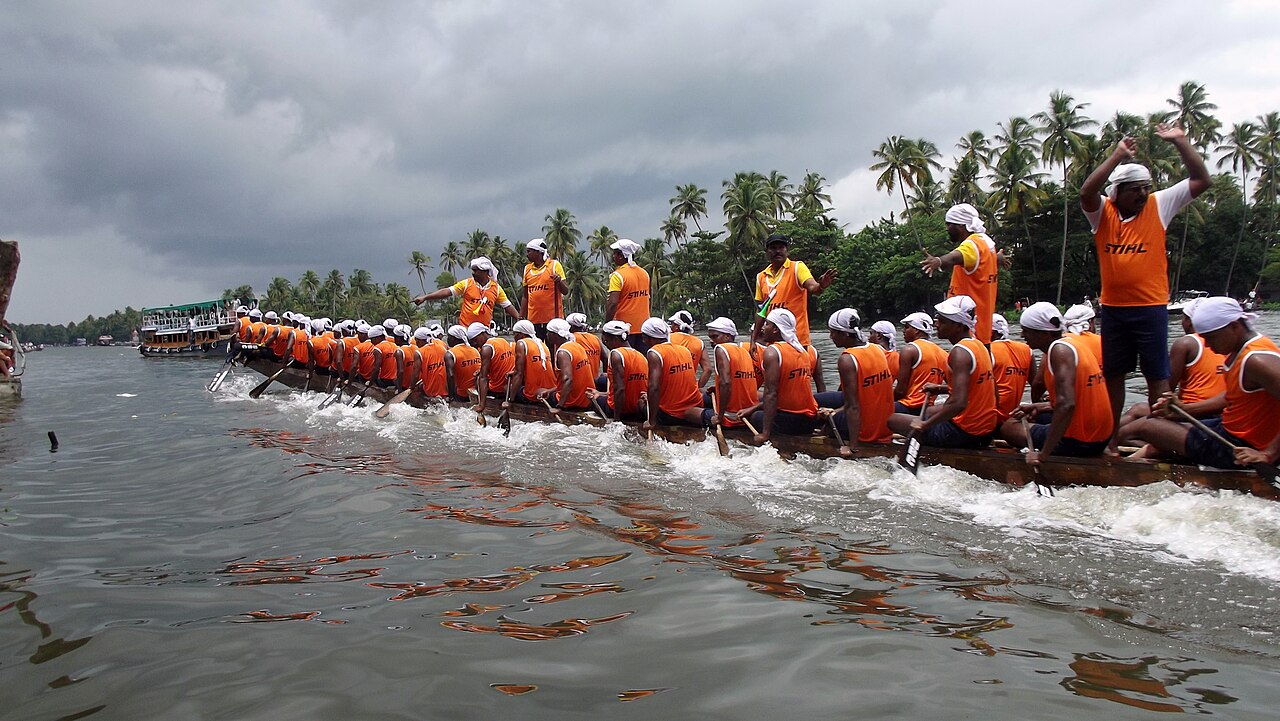
Festivals include Onam, the harvest festival marked by boat races, floral art and communal feasts, and various religious observances across communities. Music, temple arts and folk practices continue to be transmitted through families and institutions.
Cuisine and material culture
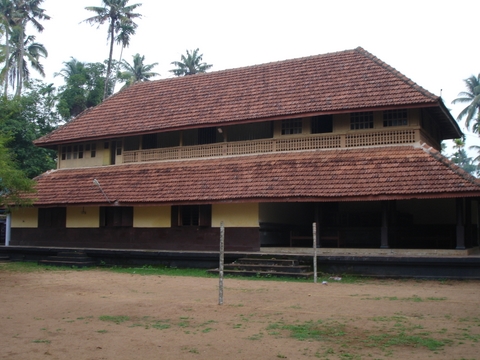
Malayali cuisine emphasises rice, coconut, spices such as black pepper and cardamom, and a variety of vegetable and seafood preparations. Distinctive dishes and cooking methods reflect coastal resources and trade in spices. Traditional architecture, handicrafts and textiles also form part of the region’s material heritage.
Economy and diaspora
Many Malayalis have migrated for work and study. Large communities live in other Indian states and in the Gulf countries, Europe, North America and Australia. Remittances from workers abroad have been an important source of income for families and the regional economy; the Gulf, including the United Arab Emirates, hosts particularly visible Malayali expatriate populations. Diaspora networks affect culture, language use, religious life and politics both abroad and back home.
Contemporary life and challenges
Contemporary Malayali society balances strong social indicators with ongoing challenges: economic transformation, employment for the young, environmental management of coastal and highland areas, and social change connected to migration and global ties. Cultural institutions, educational bodies and diaspora organisations continue to shape how Malayali identity is expressed and sustained.
Notable facts
- Malayalam film and literature form a lively cultural field and have won national and international recognition (films).
- Performing arts such as Kathakali have received UNESCO attention (Kathakali), while Kalaripayattu is studied for its historical and physical tradition (Kalaripayattu).
- Religious diversity is a defining feature, with active Hindu (Hindu), Muslim and Christian (Christian) communities contributing to shared cultural life.
- Kerala’s ties to the wider world, especially the Gulf and the UAE, have shaped migration, finance and cultural exchange.
- The region’s identity is inseparable from the Malayalam language and its literary, musical and cinematic expressions (India, Kerala).
For a fuller understanding of Malayali language, history and culture consult academic studies and cultural institutions that document the region’s literature, arts and social history. Reliable resources provide deeper context on how Malayali traditions continue to evolve in India and across the diaspora.
Questions and answers
Q: Who are the Malayali people?
A: The Malayali people are the native speakers of the Malayalam language, originating from the south of the current Indian state of Kerala.
Q: How many people speak Malayalam as their first language?
A: About 39 million people speak Malayalam as their first language.
Q: Where do most Malayalam speakers live?
A: Most Malayalam speakers, about 34 million, live in India.
Q: What religions are represented among the Malayali people?
A: About 55% of the Malayali people are Hindus, about 27% are Muslims, and about 19% are Christian.
Q: What is the Malayali language part of?
A: The Malayali language is part of the Dravidian language group.
Q: What are some cultural contributions of the Malayali people?
A: The Malayali people have their own cooking styles, movies, and form of martial arts called Kalaripayattu. The United Nations declared a Malayali dance called Kathakali Intangible Cultural Heritage.
Q: What are the Malayali sometimes called?
A: Sometimes the Malayali people are called Keralites.
Related articles
Author
AlegsaOnline.com Malayali people: language, culture, history and diaspora Leandro Alegsa
URL: https://en.alegsaonline.com/art/60965