
Malay race: historical concept, origins, and modern perspectives
Overview of the historical concept of the 'Malay race', its origins in 18th–19th century classification, links to Austronesian peoples, geographic spread, and contemporary views and distinctions.
The phrase "Malay race" originated in European racial classification during the 18th and 19th centuries and was used to describe a broad group of peoples in the islands and coastal regions of Southeast Asia and the western Pacific. Early scholars grouped populations by perceived physical traits and skin colour; this terminology reflected the scientific and colonial ideas of its time rather than a precise biological reality. For discussion of the original racial schema see historical race concepts.
Image gallery
3 Images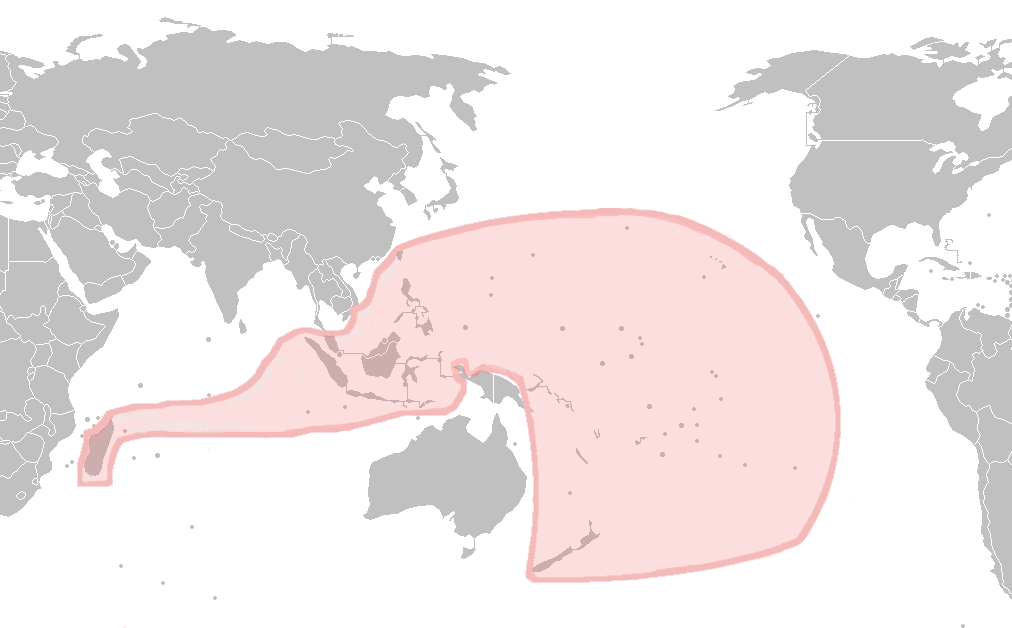


Early classification and terminology
The term is often associated with Johann Friedrich Blumenbach, an influential German naturalist who proposed a fivefold division of humankind. Blumenbach and others used categories that were intended to be descriptive but were limited by contemporary assumptions about human variation. More recent generations of researchers and anthropologists have questioned and largely abandoned these simplistic racial labels as inadequate for capturing genetic, linguistic and cultural diversity; see commentary by modern scholars at anthropological sources. A direct historical reference to the originator appears in studies of Blumenbach: Johann Friedrich Blumenbach.
Connections to Austronesian peoples and geography
In later 19th- and early 20th-century literature, "Malay race" was often used interchangeably with or as a subset of the Austronesian-speaking populations that spread across the Malay Archipelago, Madagascar, Taiwan and the Pacific. This family—conventionally called Austronesian—includes diverse ethnic groups linked by related languages, seafaring traditions and agricultural practices. For a linguistic and cultural framing see Austronesian studies.
Characteristics, distribution and cultural roles
- Geographic range: historically applied to peoples on the Malay Peninsula, Sumatra, Borneo, Java, the Philippines and nearby islands.
- Cultural traits: maritime orientation, rice cultivation in many regions, distinctive textile, forging and boat-building traditions in different groups.
- Linguistic diversity: many languages and dialects fall within the Austronesian family, though language does not map neatly onto older racial labels.
Modern relevance and distinctions
Today the term "Malay race" is considered outdated in scientific contexts. Scholars emphasize that human genetic variation is continuous and structured by migrations, language spread and cultural exchange rather than fixed racial categories. In some countries, however, the word "Malay" retains strong political, legal, and ethnic meanings—for example as a national or constitutional identity in parts of Southeast Asia—so it is important to distinguish between the historical racial label and contemporary ethnic, linguistic or civic categories.
Understanding the phrase requires balancing its historical use in colonial and scientific literature with current perspectives that recognize the complexity of human populations. The legacy of the term persists in older texts and in some public and legal uses, but in scholarship it has largely been supplanted by more precise terms such as "Austronesian peoples," regional ethnonyms, and population genetics terminology.
Related articles
Author
AlegsaOnline.com Malay race: historical concept, origins, and modern perspectives Leandro Alegsa
URL: https://en.alegsaonline.com/art/60959
Sources
- english.upenn.edu : University of Pennsylvania