
Manchu people: origins, history, culture, and modern identity
Overview of the Manchu—Tungusic people from Manchuria who established the Qing dynasty, their social structures, culture and language, historical role in China, and contemporary status.
Overview
The Manchu are a Tungusic-speaking people whose traditional homeland lies in what was historically called Manchuria and is today part of Manchuria and broader Northeastern China. Emerging from a collection of Jurchen and related tribes, the group consolidated political power in the late 16th and early 17th centuries and founded the dynasty that ruled China for nearly three centuries. While the Manchu remain recognized as a distinct ethnic group in the People’s Republic of China, many aspects of their language and some traditional practices have become rare through processes of cultural assimilation and social change.
Image gallery
10 Images



Origins and early development
The ancestors of the Manchu were part of the larger Tungusic language family and were often called Jurchen in earlier eras. They lived in the forested and riverine regions northeast of the Great Wall and engaged in hunting, fishing, pastoralism and agriculture. Political consolidation accelerated under leaders who unified different Jurchen clans and created new institutions. In the early 17th century a pivotal leader proclaimed a new polity and began campaigns that transformed local power relations and set the stage for larger conquests on the Chinese heartland.
Rise to power and the Qing dynasty
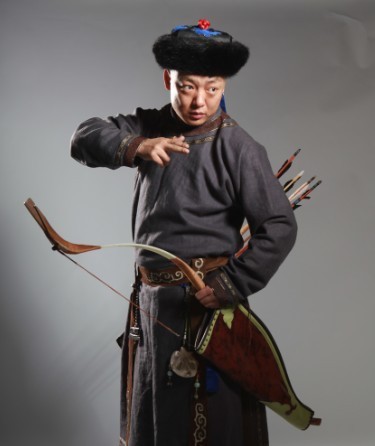
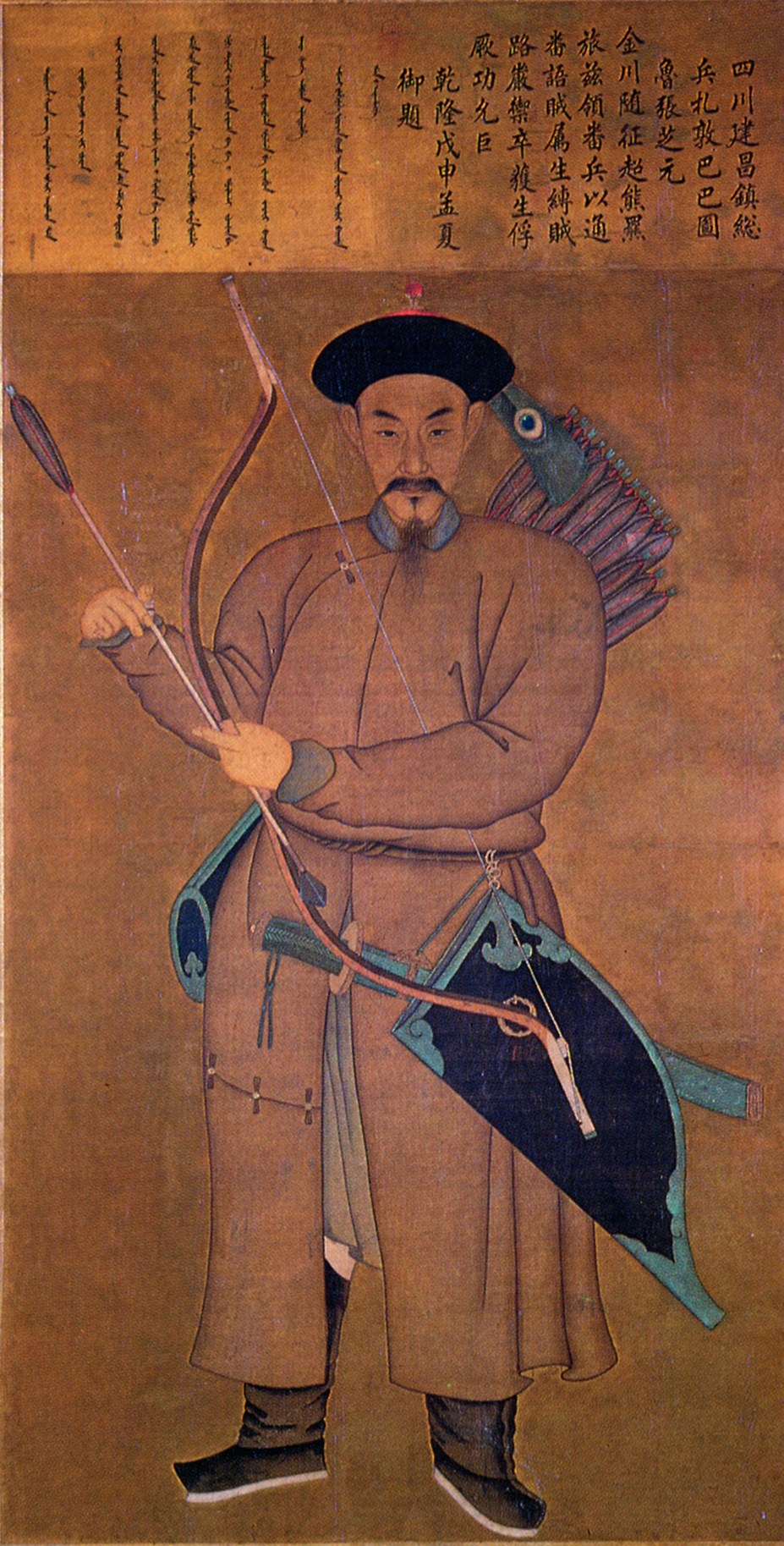
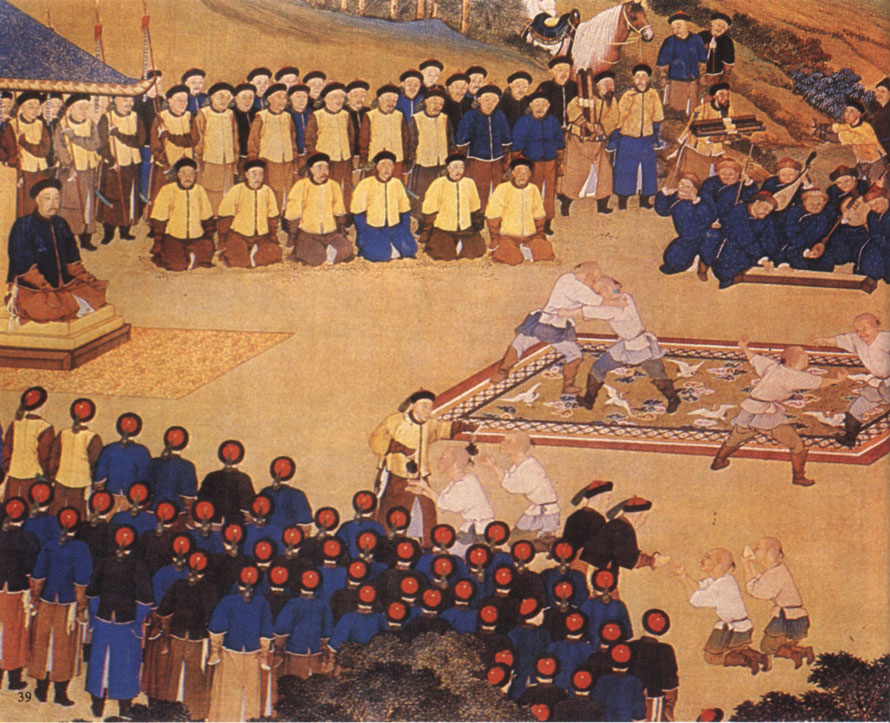
Beginning in the early 17th century, Manchu leaders organized military, social and administrative systems that enabled them to challenge the Ming dynasty. A key innovation was the Eight Banners system, which combined military organization with household registration and social welfare for banner members. In 1644 the Manchu entered the Chinese imperial core and over subsequent decades consolidated control, establishing the Qing dynasty. The Qing dynasty governed a vast, multiethnic empire until the early 20th century, administering diverse peoples through a mixture of Manchu, Mongol and Chinese institutions.
Social structures and institutions
The Eight Banners were the backbone of Manchu military and social order. Each banner functioned as a unit for recruitment, taxation, land allocation and legal jurisdiction. Banners included not only ethnic Manchus but also Mongol and Han contingents incorporated under banner administration. The Qing state retained distinct institutions for bannermen (often called bannermen or “Tartar” in older sources) while also relying heavily on traditional Chinese civil administration—scholar-officials, local magistrates and the examination system—to govern the broader population.
Language, script and cultural practices
Manchu belongs to the Tungusic branch of languages and was written in a script derived from a Mongolian model. During the early Qing the court used both Manchu and Chinese languages in official documents; bilingualism was common among rulers and many officials. Over time, especially in the more sinicized cities and among ordinary Manchus living among Han communities, the use of the Manchu language declined and Mandarin or other local Chinese languages became dominant. Certain material-cultural elements associated with the Manchu — such as styles of dress adopted at court, particular culinary traditions, and martial customs — influenced broader Qing-era culture. Some garments associated with Manchu clothing evolved into later styles worn more widely in China.
Policies and encounters with Han Chinese society
After seizing power the new rulers instituted a range of policies to secure their rule. One well-known requirement enforced by the Qing state was a male hairstyle imposed on many subjects: men were expected to shave the front portion of the head and wear the remainder of the hair in a braided queue. This became a visible marker of Qing authority and was at times a source of deep resentment and resistance. Over generations the Manchus adopted many administrative and social models from their Han Chinese subjects, including Confucian ritual practices and certain domestic norms regarding household organization. At the same time the Qing court maintained separate institutions and privileges for bannermen and sometimes treated them as a distinct corporate body within the empire.
Conflict, reform and the dynasty's decline
The Qing century witnessed both periods of consolidation and major internal and external crises. Internal rebellions, such as large-scale uprisings, challenged imperial control, and the mid-19th century saw military defeats at the hands of foreign powers during the Opium Wars and other confrontations. Contemporary foreign observers and participants recorded dramatic and tragic events in some campaigns; such reports reflect the violent disruptions that accompanied the era’s warfare and social turmoil. The late Qing attempted reforms to modernize its institutions, but mounting pressures culminated in the revolution of 1911, which removed imperial rule and established a republican government.
Ethnic identity and modern developments
Following the end of imperial rule many Manchus gradually assimilated into Han-majority society, adopting local languages and customs. In the 20th and 21st centuries the Manchu population was officially recognized as a distinct ethnic nationality, one of the several groups enumerated by modern Chinese authorities, and efforts have been made to document and revive Manchu language and culture. Today Manchu communities are found in northeastern provinces and in urban centers across China, and smaller numbers live abroad. While most Manchus speak Mandarin or regional Chinese dialects as their everyday language, cultural revival movements, scholarly projects and community initiatives work to preserve traditional songs, rituals, names and the Manchu script.
Notable cultural traits and distinctions
- Eight Banners: A unique social-military organization that structured much of Manchu life and imperial military capacity.
- Bilingual administration: Court documents and ceremonies often used both Manchu and Chinese languages, especially in the early Qing period.
- Dress and customs: Court clothing and some household practices originated with or were shaped by Manchu norms and later influenced wider Qing-era fashions.
- Language status: Manchu is an endangered Tungusic language; modern revitalization efforts exist but Mandarin predominates among most Manchus.
- Ethnic classification: The modern state designates the Manchu as a distinct ethnic group separate from the Han Chinese, though everyday lifestyles are often shared between groups.
Historical memory and contemporary significance
The Manchu experience illustrates the dynamics of frontier societies that became imperial rulers: they retained certain ethnic distinctions while adapting administrative and cultural forms from the populations they governed. The Qing era left an enduring imprint on China’s political geography, administrative institutions and material culture. In contemporary China, renewed interest in minority histories, local genealogies and linguistic scholarship has brought greater attention to Manchu heritage. Scholarly study, community-based cultural projects, and public awareness continue to shape how the Manchu past is remembered and how Manchu identity evolves in the present day.
For additional context on regions, historical periods, and contemporary ethnic policy see the related references and archival materials (external resources indicated by placeholders): seventeenth-century studies, regional histories of Manchuria, and comparative accounts of late-imperial transitions and republican transformation (Northeastern China, republican government, court regulations).
Related articles
Author
AlegsaOnline.com Manchu people: origins, history, culture, and modern identity Leandro Alegsa
URL: https://en.alegsaonline.com/art/61218