
Macarena
A Spanish dance-pop song by Los del Río that became a global hit in the mid-1990s, known for its simple choreographed dance, an English-language remix, and widespread cultural impact.
Macarena is a dance-pop song originally recorded by the Spanish duo Los del Río. The tune centers on a fictional woman named Macarena and is built around a catchy, repeating melody and an easy-to-learn set of dance moves. First released in Spanish in the early 1990s, the track reached worldwide prominence after a remixed version with English-language backing vocals and production changes became a global phenomenon.
Image gallery
5 Images


Characteristics
- Genre: dance-pop/Eurobeat with flamenco-tinged rhythms and Latin instrumentation.
- Structure: short repeated verses and a memorable chorus designed for group participation.
- Choreography: a simple, step-by-step arm and hip routine that can be learned quickly, contributing to its popularity at gatherings.
History and development
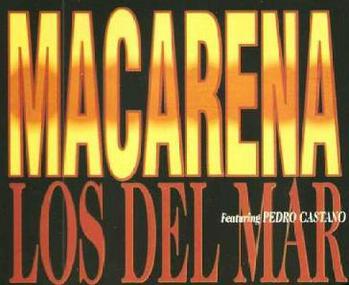
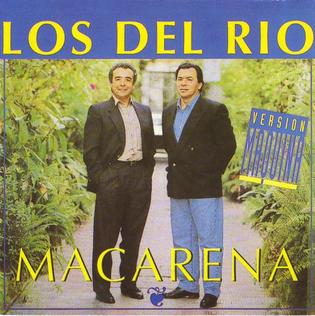
The song was written and recorded by Los del Río, a Spanish duo from Andalusia. An original Spanish-language recording appeared on their 1993 album A mi me gusta and traces back to studio sessions in 1992. Interest outside Spain grew when a dance remix incorporated additional production and English-language lines, making the song more accessible to non-Spanish-speaking audiences.
That reworked single was released in the United States on August 15, 1995 and climbed international charts the following year. A particular remix credited to the Bayside Boys added English vocal fragments and a radio-friendly arrangement; this version is widely associated with the song’s global success. The remixed single reached the top of the U.S. Billboard Hot 100 in 1996 and remained at number one for an extended period, bringing mainstream attention worldwide (Billboard coverage).
Uses and cultural impact
Macarena became a cultural touchstone of the 1990s. Its simple choreography and upbeat tempo made it a staple at weddings, school dances, sporting events, and clubs. Large crowds performing the synchronized moves turned the song into a participatory phenomenon, and it has been referenced, parodied, and sampled in film, television, and advertising. The track also introduced many listeners to Latin-flavored pop within mainstream English-language markets.
Notable facts and legacy
- The song is often cited as one of the best-known dance hits of the 1990s and helped broaden international interest in Spanish-language popular music.
- Its crossover success relied on a commercially oriented remix that mixed the original Spanish vocals with English-language hooks and contemporary dance production.
- For further context on the artists and versions, see material linked from Los del Río’s profile and contemporary chart listings (additional resources).
While some listeners regard the song as a novelty, its staying power in popular culture is clear: decades after its peak chart performance, Macarena still appears at events and continues to be an instantly recognizable example of a global pop hit built around dance and repetition.
Related articles
Author
AlegsaOnline.com Macarena Leandro Alegsa
URL: https://en.alegsaonline.com/art/60271
Sources
- discogs.com : "Los del Rio 1993"