
Lydia Maria Child: American writer, abolitionist, and advocate
Profile of Lydia Maria Child (1802–1880), her writing for children and adults, abolitionist and reform work, key publications, and cultural legacy.
Overview
Lydia Maria Child (née Francis; February 11, 1802 – October 20, 1880) was an American author, editor, and social reformer. She wrote fiction, poetry, essays, domestic guides and children’s stories, and became best known for a mix of literary work and outspoken campaigning on social causes. Her career bridged popular domestic writing and radical public advocacy, making her an influential if sometimes controversial figure in 19th‑century American letters.
Image gallery
6 Images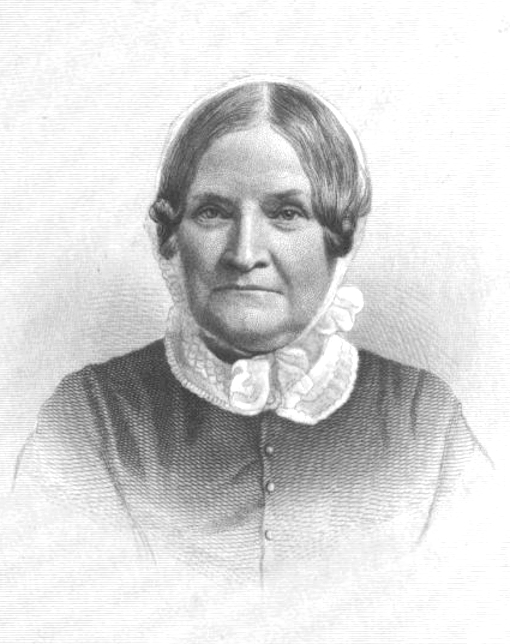


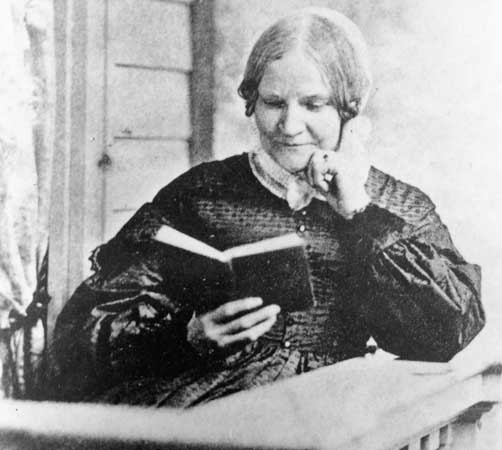


Genres, themes and notable pieces
Child produced material for diverse readers: short stories and novels, verse, practical manuals on housekeeping and child‑rearing, and periodical journalism. One of her enduring lyrics is often called "Over the River and Through the Wood", a Thanksgiving poem that entered the American song and holiday repertoire. She aimed to combine clear moral instruction with accessible prose, addressing family life and social morality while experimenting with popular forms.
Children's literature and editorial work
Child played a formative role in early American children’s publishing. She founded and edited Juvenile Miscellany, widely recognized as one of the earliest magazines for young readers in the United States. Through that and other contributions she helped shape what counted as suitable reading for children—balancing entertainment, education, and moral lessons at a moment when the distinct market for young readers was taking shape.
Activism and public causes
Beyond domestic and juvenile topics, Child became an unequivocal critic of slavery and an active voice for emancipation. She addressed the institution of slavery directly in essays and pamphlets and aligned with abolitionist networks; her public advocacy places her among early white allies who argued for immediate change rather than gradual compromise. Those positions, along with her forthright prose, cost her popularity in some quarters but broadened her influence among reformers committed to abolitionism.
Religion, women's rights and Indigenous issues
Child engaged with religious debate and moral philosophy as part of her writing on family life and civic duty. She addressed matters of religion thoughtfully rather than polemically, using religious language to support humanitarian aims. She also spoke for broader social equality, including the rights of women and the civil treatment of Native Americans, writing about Native American communities when most public figures ignored their claims.
Legacy and selected works
Child’s willingness to cross the boundary between private‑sphere authorship and public activism makes her an important transitional figure in American cultural history. Her output reflects both the domestic concerns of middle‑class readers and a persistent commitment to social reform. Selected works and roles include:
- Juvenile Miscellany — founder and editor; an early U.S. magazine for children (see).
- "Over the River and Through the Wood" — popular Thanksgiving poem (text and history).
- Fiction and novels that explored American life and identity.
- Political essays and pamphlets opposing slavery and supporting abolitionism.
- Writings on religion, domestic economy, education, and the rights of Native Americans.
As both a popular writer and an outspoken reformer, Lydia Maria Child helped broaden the topics considered suitable for American women writers and assisted in building literary and political networks that shaped antebellum and postbellum debate. Her career illustrates how 19th‑century authors could combine practical literary success with persistent moral advocacy.
Related articles
Author
AlegsaOnline.com Lydia Maria Child: American writer, abolitionist, and advocate Leandro Alegsa
URL: https://en.alegsaonline.com/art/60086
Sources
- anb.org : Lydia Maria Child
- answers.com : The Juvenile Miscellany
- nwhm.org : Lydia Maria Child
- wikidata.org : wikidata.org/wiki/Q443132
- authority.bibsys.no : 90068044
- catalogue.bnf.fr : cb121456903
- data.bnf.fr : (data)
- cantic.bnc.cat : a11614213
- d-nb.info : 118669249
- isni.org : 0000 0000 8344 669X
- id.loc.gov : n80001490
- id.ndl.go.jp : 00841530
- aleph.nkp.cz : jn20011019092
- nla.gov.au : 35027949
- data.bibliotheken.nl : 069953759