
Luzerne County, Pennsylvania
Luzerne County is in northeastern Pennsylvania, centered on Wilkes-Barre; historically a coal-mining region, today it is part of the Scranton–Wilkes-Barre–Hazleton metropolitan area with diverse communities.
Luzerne County is a county in northeastern Pennsylvania with a mix of urban centers, small towns and rural highlands. As recorded in the 2010 census, the county had a population of 320,918, making it one of the most populous counties in the region. The county functions as a regional hub for commerce, culture and transportation in the Wyoming Valley along the Susquehanna River.
Image gallery
10 Images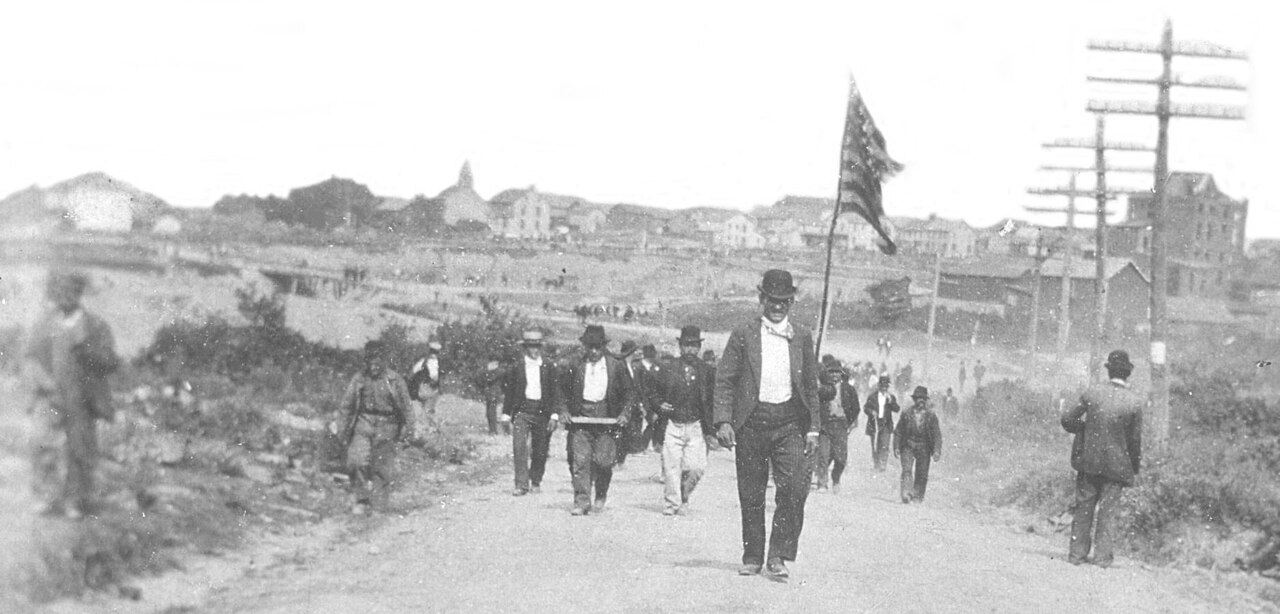


Characteristics and communities
The county seat and largest city is Wilkes-Barre, located on the east bank of the Susquehanna. Other significant municipalities include Hazleton, Kingston, Nanticoke and Pittston. Luzerne County's landscape combines river valleys, former coal fields and forested ridges. Local government, courts and administrative services are concentrated in the county seat; for more administrative information see the county's official page at Luzerne County resources.
History and development
Luzerne County was created in the late 18th century and took shape as settlement expanded west of the Delaware River. In the 19th century the discovery and mining of anthracite coal transformed the local economy, drawing waves of workers and prompting rapid urban growth. Coal operations, railroads and related industries defined the county for many decades, leaving a legacy of industrial architecture and patchwork communities tied to mining history.
Economy, culture and modern role
While mining diminished in the 20th century, Luzerne County adapted by developing manufacturing, service industries, healthcare and retail. The county is included in the Scranton–Wilkes-Barre–Hazleton metropolitan statistical area, which had a combined population of about 555,426 in 2017 and reflects regional commuting and economic links. Cultural life features local museums, annual festivals, regional theaters and outdoor recreation along rivers and state game lands.
Notable facts and distinctions
- The Wyoming Valley and the Susquehanna River are central geographic features shaping settlement and transport.
- Historic coal mining drove demographic change and infrastructure; many towns retain 19th- and early-20th-century buildings.
- The county has experienced major floods in its history, which influenced urban planning and flood control investments.
- Its mixture of small cities, boroughs and townships illustrates the varied local government structure found across Pennsylvania; see the county seat for records and services.
For researchers and visitors, Luzerne County offers a condensed view of northeastern Pennsylvania's industrial past, evolving economy and community life within a compact, historically rich landscape.
Related articles
Author
AlegsaOnline.com Luzerne County, Pennsylvania Leandro Alegsa
URL: https://en.alegsaonline.com/art/60061
Sources
- naco.org : "Find a County"