
Wilkes-Barre, Pennsylvania
Wilkes-Barre is a city in northeastern Pennsylvania on the Susquehanna River. It is a regional center for government, education and culture within the Scranton–Wilkes-Barre area and the historic coal region.
Wilkes-Barre is a city in northeastern Pennsylvania situated along the Susquehanna River in the Wyoming Valley. It serves as a regional center in the Scranton–Wilkes-Barre metropolitan area and is linked closely, economically and culturally, to nearby Scranton. The city functions as the county seat for Luzerne County and is a focal point for local government, courts, and services.
Image gallery
10 Images

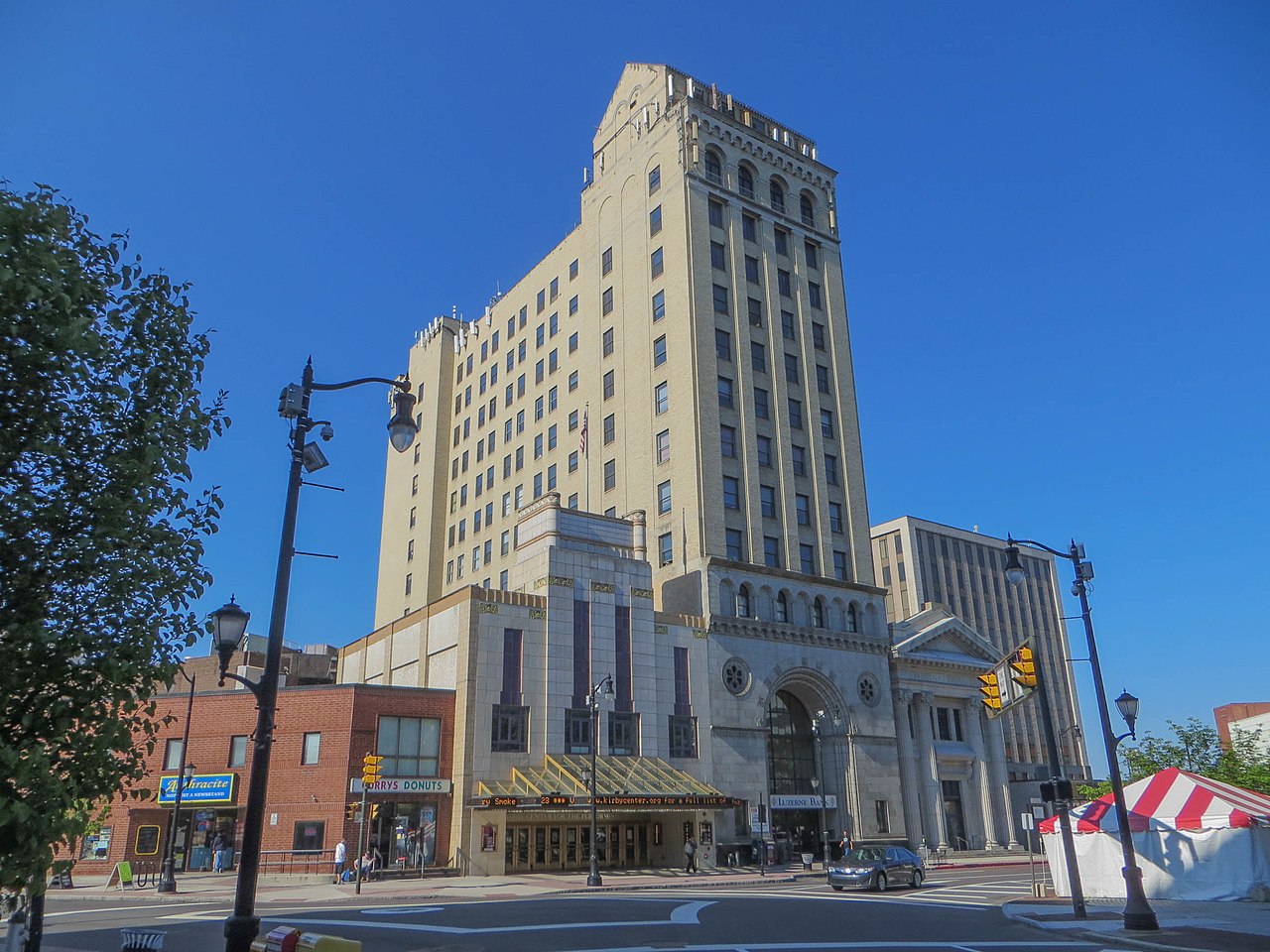


Characteristics and location
Wilkes-Barre lies in a river valley that helped shape its development. Its downtown contains municipal buildings, cultural venues and retail corridors. Higher-education institutions and medical facilities in and near the city make it a service hub for the surrounding communities. The layout reflects a mix of 19th- and 20th-century urban patterns with residential neighborhoods radiating from the central business district.
History and development
European settlement of the area began in the 18th century. The city grew rapidly in the 19th century as part of the anthracite coal region: mining, railroads and related industries drove population and economic expansion. Over time the local economy transitioned away from deep coal mining; the mid-20th century saw industrial decline, while later decades brought redevelopment and diversification.
Economy, institutions and culture
Today Wilkes-Barre's economy emphasizes education, healthcare, retail, professional services and entertainment. The city hosts colleges, cultural institutions, theaters and sports venues that draw visitors from the wider metro area. Recreational and civic events, museums and performing-arts offerings reflect the region's heritage and community life.
Notable facts and distinctions
- The city is part of the larger Scranton–Wilkes-Barre metropolitan region and maintains close ties with Wilkes-Barre area neighbors.
- Wilkes-Barre was historically central to Pennsylvania's anthracite coal industry, which shaped its architecture and demographics.
- Its riverside location has made flood management an important civic concern; major storms in the 20th century prompted infrastructure responses and riverfront redevelopment.
As a regional seat of government and culture, Wilkes-Barre combines historic roots with contemporary efforts to revitalize downtown areas, expand services, and promote tourism and education across northeastern Pennsylvania.
Related articles
Author
AlegsaOnline.com Wilkes-Barre, Pennsylvania Leandro Alegsa
URL: https://en.alegsaonline.com/art/108139