
Luthier: Maker, Restorer and Technician of Wooden Stringed Instruments
A luthier designs, builds, maintains and repairs wooden stringed instruments such as guitars, violins and cellos, combining woodworking, acoustics and instrument-specific setup skills.
Overview
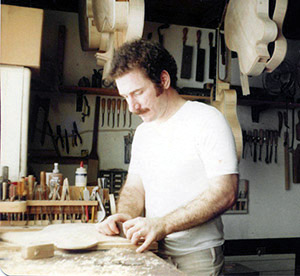
A luthier is a craftsman who builds, adjusts and repairs wooden stringed instruments. Common instruments worked on by luthiers include the guitar, violin, viola, cello and double bass, but the term also covers makers of lutes, mandolins and similar fretted or bowed instruments. The role bridges fine woodworking, knowledge of stringed-instrument acoustics, and hands-on repair techniques; many luthiers both construct new instruments and perform routine maintenance on existing ones.
Image gallery
7 Images


Characteristics and typical work
Luthiers perform a range of tasks from small adjustments to major restorative work. Routine services include fret dressing, bridge and nut adjustments, soundpost fitting in bowed instruments, setup of action and intonation, and string replacement. More extensive repairs can require gluing cracked plates, rebuilding neck joints, replacing fingerboards, or reconstructing damaged scrolls and bridges.
Common tools and materials include planes, chisels, scrapers, clamps, purfling cutters, specialized glues (hide glue is traditional for many repairs), tonewoods for tops and backs, varnishes, and measuring instruments to ensure accurate geometry and alignment.
Techniques and common procedures
- Setup and adjustment: adjusting string height, saddle and nut shaping, and regulating bridge and tailpiece tension to optimize playability.
- Repair: closing cracks, regluing seams, replacing braces, or reattaching bridges using appropriate adhesives and clamping methods.
- Construction: selecting woods, joining tops and backs, carving necks and scrolls, fitting fingerboards, and applying finishes that affect tone and protection.
History and etymology
The craft of instrument making has deep roots in Europe and the Middle East. The English word luthier derives from the French term for a lute player or maker; French luthier comes from luth, itself from the Arabic al-ʿūd (العود), the name of an ancient pear-shaped stringed instrument often translated as "lute". Over time, the related French noun lutherie came to mean the craft of building and repairing wooden string instruments. The German word "Luther" exists as a surname and is associated with historical figures such as Martin Luther; however, the occupational term in German for a maker of stringed instruments is different in usage and origin.
Training, specialization and community
Luthiers may train through formal apprenticeships, vocational schools, conservatory-affiliated workshops, or self-directed practice. Many develop niches: some focus on making new classical guitars or violins, others specialize in restoring antique instruments, and some concentrate on electric guitars and their specific electronics and setups. Professional organizations and trade schools provide standards, workshops and certification opportunities for continuing education.
Importance and distinctions
Luthiers play a critical role in both musical performance and instrument preservation. Proper setup and repair can substantially improve playability and tone, while careful restoration can preserve historical instruments for future generations. Distinctions within the craft include the difference between a maker (building instruments from raw materials), a repair technician (focused on maintenance and mending), and a restorer (who works to preserve original materials and historical integrity).
Further reading and resources
Individuals seeking practical advice or local services often consult specialist suppliers, workshops, or guilds. For instrument-specific information, resources and communities exist for guitars, violins and other families; historical and linguistic background about the lute and related instruments can be explored through sources that discuss the Arabic al-ʿūd and its influence. Biographical and historical references about figures sharing related names, such as Martin Luther, appear in broader cultural histories. For instrument repair patterns and common setups, consult dedicated manuals or workshops referenced by makers and teachers in the field.
Whether caring for a cherished family instrument or commissioning a handcrafted new instrument, a qualified luthier combines technical skill, acoustic awareness and respect for the materials and history of stringed instruments.
Related articles
Author
AlegsaOnline.com Luthier: Maker, Restorer and Technician of Wooden Stringed Instruments Leandro Alegsa
URL: https://en.alegsaonline.com/art/60019