
Marco Rubio 2016 presidential campaign
Overview of Marco Rubio's 2016 presidential campaign: announcement, themes, timeline, policy focus, debate highlights, fundraising and the campaign's outcome and legacy in the Republican primary.
Overview
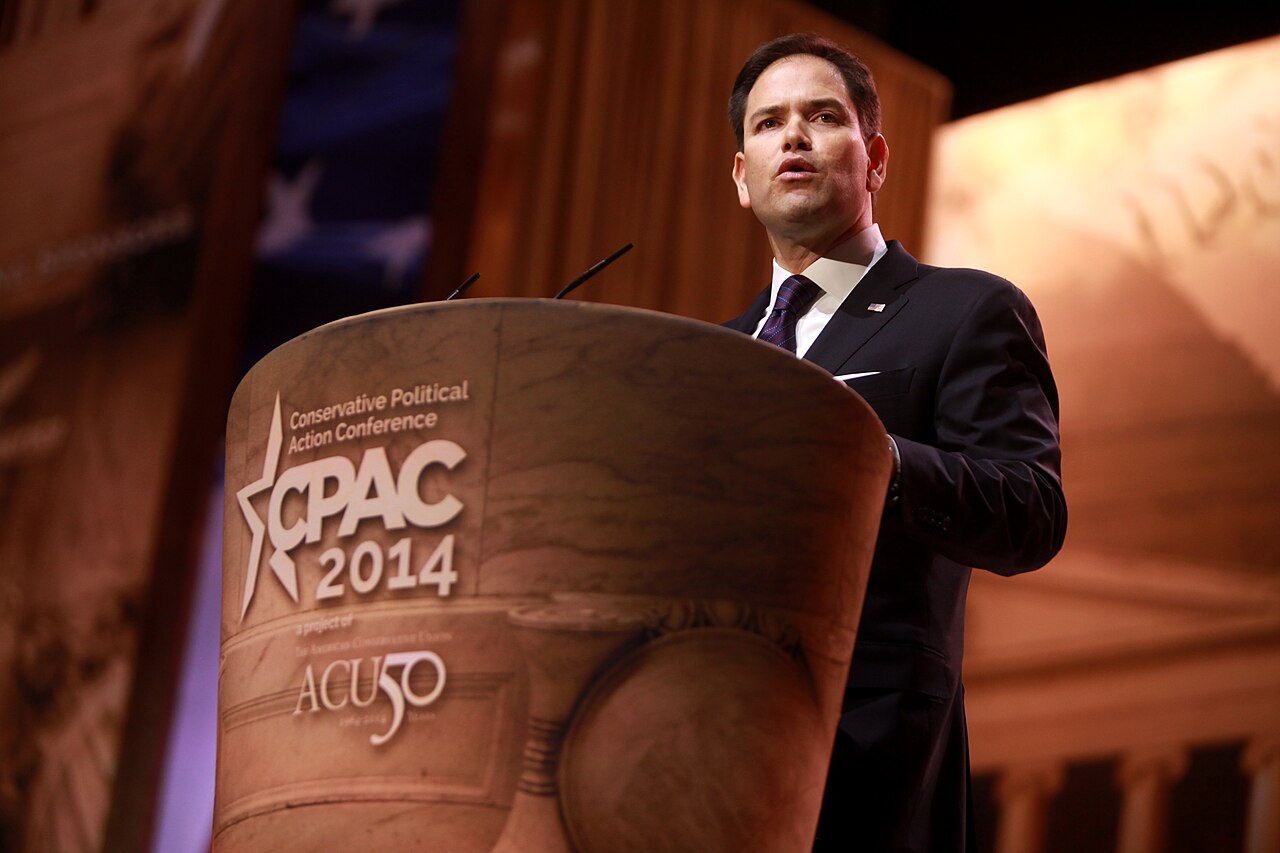
The 2016 presidential campaign of Marco Rubio began with a formal announcement on April 13, 2015, at the Freedom Tower in Miami. Rubio was then the junior United States Senator from Florida and a former Speaker of the Florida House. His bid presented him as a younger, optimistic conservative alternative in a crowded Republican field, emphasizing economic opportunity, national security, and a message of American renewal.
Image gallery
7 Images



Campaign themes and positions
Rubio ran on a broadly conservative platform that highlighted limited government, tax reform, a robust defense posture, and support for free enterprise. Immigration was a focal point: Rubio had previously supported comprehensive reform but during the campaign sought to balance calls for secure borders with proposals aimed at legal pathways. He also took a firm stance on U.S. policy toward Cuba and global security issues, reflecting his personal and political background.
Timeline and notable moments
- April 13, 2015 — Campaign launch in Miami.
- 2015–early 2016 — Strong fundraising and attention as one of the establishment-aligned contenders; active debate participation.
- Debates — Rubio had several high-profile debate exchanges; he was praised for poise but sometimes criticized by rivals for scripted answers.
- March 15, 2016 — After the Florida Republican primary, Rubio suspended his campaign, ending his bid for the nomination.
Organization and resources
Rubio's campaign benefited from national fundraising networks, endorsements from some conservative leaders, and significant media coverage. Like many modern campaigns it relied on ground operations, digital outreach, and outside groups to amplify messages, while navigating a rapidly changing primary environment driven by voter anger and insurgent candidacies.
Reception and legacy
Rubio's campaign is remembered for attempting to bridge establishment conservatism with a call for generational change. He was widely viewed as a rising figure in the Republican Party prior to the rise of outsider candidates who reshaped the 2016 primary. The campaign's end underscored how quickly momentum in a crowded contest can shift and highlighted the importance of state-level contests in a primary season.
Further reading
For additional context on policy debates and primary results, consult contemporary reporting and primary summaries available through major news outlets and election analyses. Relevant background on Rubio's Senate career and Florida political experience can provide useful context for his 2016 candidacy.
Related articles
Author
AlegsaOnline.com Marco Rubio 2016 presidential campaign Leandro Alegsa
URL: https://en.alegsaonline.com/art/61675
Sources
- fec.gov : "Candidate (P60006723) Summary Reports – 2016 Cycle"
- cnn.com : "He's in: Marco Rubio announces presidential bid"
- nationaljournal.com : "Marco Rubio Makes His Pitch as the Fresh Face of the GOP in 2016"
- washingtonpost.com : Rubio, off to fast fundraising start, planning aggressive Florida schedule
- marcorubio.com : "Thanks to your support..."