
Lucia di Lammermoor: Donizetti's 1835 bel canto opera
Lucia di Lammermoor (1835) is Gaetano Donizetti's bel canto opera, adapted from Walter Scott, famed for its sextet and the virtuosic mad scene—a staple of the international operatic repertoire.
Lucia di Lammermoor is an Italian opera in three acts with music by Gaetano Donizetti and a text prepared by the librettist Salvatore Cammarano. The plot and characters are adapted from Sir Walter Scott's novel often known in English as The Bride of Lammermoor.
Image gallery
8 Images
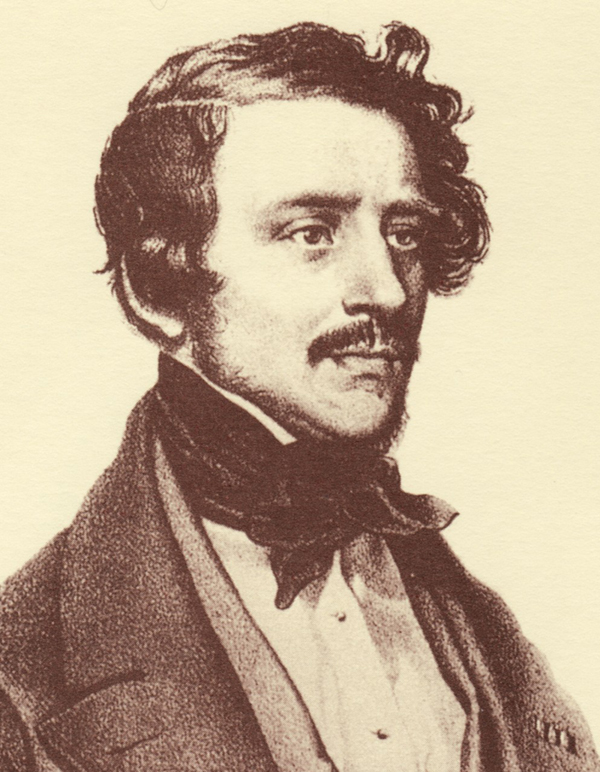


Source and composition
Donizetti and Cammarano shaped Scott's gothic tale into a concentrated dramatic work for the Italian stage, trimming and refocusing the narrative to suit operatic conventions of the early 19th century. The resulting libretto foregrounds family rivalry, forced marriage and psychological collapse, giving the composer opportunities for both large ensembles and intimate solo writing.
Premiere
The opera premiered on 26 September 1835 at the Teatro di San Carlo in Naples. The role of Lucia was first performed by Fanny Tacchinardi-Persiani. Contemporary accounts report an enthusiastic reception: audiences greeted many numbers with loud applause and called the composer and principals back to the stage repeatedly.
Music and notable scenes
Lucia is particularly remembered for its brilliant concerted writing and for one extended episode that tests a soprano's coloratura and acting alike. The sextet "Chi mi frena" is a model of ensemble writing, while the celebrated "mad scene" (the opera's climactic solo sequence) combines elaborate vocal ornamentation with intense dramatic expression, forming a centerpiece of the role's repertory.
Performance history and reputation
Since its first run, Lucia di Lammermoor has been a staple of the operatic repertoire and remains frequently staged. It has received wide acclaim for its effective mix of lyricism and drama and for offering a signature role in the bel canto tradition. The work has been listed among the most often performed operas worldwide; at one point it appeared as number 19 on the Operabase ranking of global performance frequency.
- Composer: Gaetano Donizetti
- Librettist: Salvatore Cammarano
- Source: Sir Walter Scott, novel
- Premiere: 26 September 1835, Teatro di San Carlo, Naples
Related articles
Author
AlegsaOnline.com Lucia di Lammermoor: Donizetti's 1835 bel canto opera Leandro Alegsa
URL: https://en.alegsaonline.com/art/59704
Sources
- operabase.com : "Opera Statistics"