
Lulu (opera by Alban Berg)
Lulu is a landmark 20th-century opera by Alban Berg, based on Frank Wedekind’s plays. Noted for its psychological drama, explicit subject matter and a fusion of twelve‑tone technique with late‑Romantic expression.
Overview
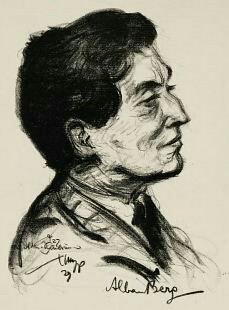
Lulu is an influential 20th‑century opera by Alban Berg. Berg adapted the plot from two plays, Erdgeist and Die Büchse der Pandora, by the dramatist Frank Wedekind, and he wrote the libretto himself. The work follows a seductive, enigmatic woman, Lulu, whose life moves from social ascent to degradation and ultimately to violence and death. The subject matter—sex, power, exploitation and murder—was controversial at the time and remains a provocative dramatic vehicle.
Image gallery
8 Images


Musical style and technique
Berg combines expressive late‑Romantic gestures with modern compositional methods. Although he employs the twelve‑tone technique associated with serialism, Berg’s language is not strictly abstract; he weaves tonal references, lyrical melodies and recurring motifs into the serial framework to heighten emotional clarity. Critics often note the opera’s intense orchestration, use of leitmotifs, and sudden contrasts between lyricism and jagged dissonance.
Structure and dramatic content
The opera is structured as a sequence of scenes that track Lulu’s changing fortunes. Dramatically it addresses themes of desire, objectification and social decay. The portrayal of explicit sexual situations and brutal outcomes led to debates about censorship, staging, and audience reception. Musically and dramatically, Lulu demands strong acting and vocal versatility from performers, particularly the soprano in the title role.
Performance history and versions
Berg died before the final act was fully orchestrated. For many years only the completed acts were commonly performed, but the score was later finished and orchestrated by another composer, allowing staged performances of the full three‑act version. This posthumous completion brought renewed attention to the opera and to questions about fidelity to Berg’s intentions. Stagings since its completion have varied widely in their treatment of the work’s sexuality and violence.
Notable features and legacy
- Blends serial composition with Romantic expression, making it accessible yet modern (analysis).
- Dense orchestration and complex vocal demands test singers and conductors alike.
- Provoked strong reactions on moral and artistic grounds, influencing later directors and composers.
Lulu remains an important work in the operatic repertory: a psychologically driven drama that bridges 19th‑century expressiveness and 20th‑century musical innovation. Readers seeking detailed score analysis, production history or recordings can consult specialized resources and scholarly editions (stage origins, libretto sources, serial technique, further reading).
Questions and answers
Q: Who composed the opera Lulu?
A: Alban Berg.
Q: Where did Alban Berg take the story for Lulu?
A: Alban Berg took the story from two plays called Erdgeist and Die Büchse des Pandora by the German playwright Frank Wedekind.
Q: What is a libretto?
A: A libretto is the words for an opera.
Q: Why did many people find Lulu very shocking?
A: Many people found Lulu very shocking because the story is very decadent. There is a lot of blood, murder, sex and violence in it.
Q: What type of music did Alban Berg use in Lulu?
A: Alban Berg uses twelve tone music, which is not in any particular key, although he uses it to make a style of music which is often very Romantic and expressive.
Q: Did Alban Berg write the libretto for Lulu himself?
A: Yes, Alban Berg wrote the libretto himself.
Q: What are the names of the two plays that Alban Berg took the story for Lulu from?
A: The names of the two plays are Erdgeist and Die Büchse des Pandora by the German playwright Frank Wedekind.
Related articles
Author
AlegsaOnline.com Lulu (opera by Alban Berg) Leandro Alegsa
URL: https://en.alegsaonline.com/art/59887