
Lucian Freud: Painter of the Human Figure
British painter Lucian Freud (1922–2011) is known for uncompromising, highly textured portraits and nudes that explored physical presence and psychology across a long career.
Overview
Lucian Michael Freud was a British painter whose work focused on the human body and face with an unsparing attention to texture, weight and psychological presence. Born in Berlin in 1922 into a family of intellectuals, his life and art were shaped by migration to England in the 1930s and by the social upheavals of the twentieth century. Freud came to be regarded as one of the leading figurative painters of his generation, known for portraits that reject cosmetic idealization in favour of a detailed, often blunt realism.
Image gallery
6 Images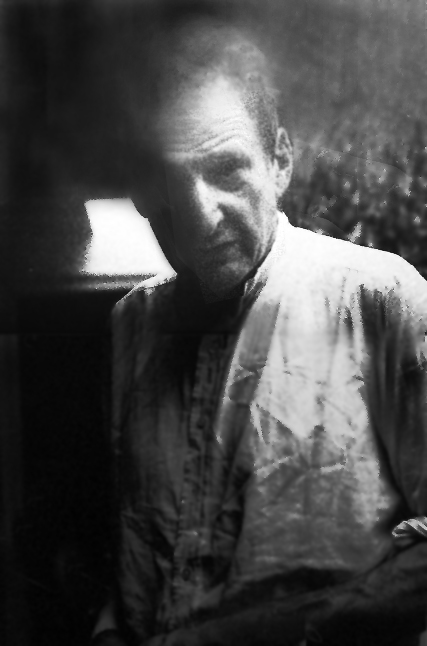


Style and technique
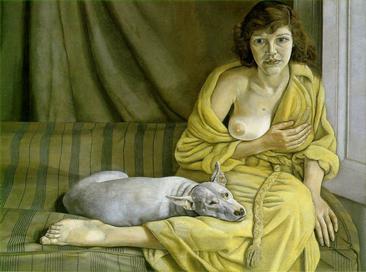
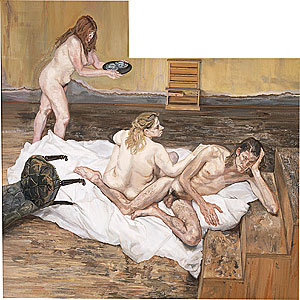
Freud’s paintings are distinguished by dense, tactile paint and a close observation of flesh. He applied thick layers of pigment and frequently worked in impasto, creating surfaces that record the movement of brush and the build-up of paint. Critics and viewers often note his use of muted and unusual colour relationships — including greys, greens and purples — blended into flesh tones to convey depth and the material reality of skin. His process could be prolonged and painstaking: sittings sometimes lasted many hours and multiple sessions, producing portraits that appear almost sculptural in their solidity.
Life and development
Freud was the grandson of the psychoanalyst Sigmund Freud and grew up during a period of political crisis in Europe. His family left Germany to escape the Nazis, and he later became a British citizen. During the years of World War II he undertook various kinds of work, including periods as a sailor and other occupations, while also pursuing formal art training and practice. He received instruction and formed early contacts in London art circles and developed a practice centered on life models and people from his own life. His brother, the public figure Clement Freud, was also a noted personality.
Subjects, reputation and notable works
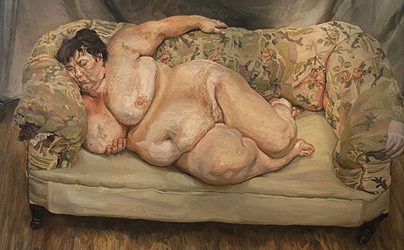
Freud painted a wide range of sitters: friends, family, lovers, commission subjects and himself. He preferred direct, unidealized representations: many of his portraits are shown unclothed, faces fixed in frontal or near-frontal poses, and bodies rendered with an uncompromising honesty. One of his best-known later paintings, often cited in discussions of the art market, was Benefits Supervisor Sleeping, a large nude from the 1990s that set a record price for a work by a living artist when it sold in 2008. Viewers and commentators have variously described some of his subjects in plain terms, noting their corporeality and the way the paintings challenge conventional standards of beauty.
Legacy, honours and distinctions
Over a career that spanned many decades, Freud’s work influenced debates about portraiture, realism and the role of psychological presence in painting. He received high honours in Britain, including appointment to the Order of Merit, a distinction conferred by the Queen that recognizes achievement in the arts and science. His paintings were the subject of major exhibitions in Europe and the United States, and his reputation experienced several cycles of attention and reappraisal, notably renewed interest from international audiences in the later twentieth century.
Characteristics and notable facts
- Freud’s work is characterized by careful observation of flesh and a tactile handling of paint, often using heavy impasto and many layers of paint.
- He frequently painted portraits and figures nude, presenting them with a forthright physicality that can be confronting.
- Colour choices sometimes included unexpected tonalities, such as mixes involving green or purple, which he used to model skin rather than rely on straightforward pinks and browns.
- Biographical touchpoints — born in Berlin, emigrated to England, linked to the Freud family — have been part of narratives about his life but do not fully explain the complexity of his art.
Examples and context
Many of Freud’s best-known paintings feature intimate, domestic settings: figures on sofas, chairs or studio floors, rendered with an attention to weight and posture. Some viewers recall specific images described in public coverage — a reclining figure on a couch, a powerful study of a sleeping sitter — and these works helped crystallize Freud’s reputation for large-scale, candid figuration. Descriptions in the public domain have sometimes emphasized blunt physical descriptions of sitters, noting that his subjects could appear heavy or plainly large, often depicted nude or asleep on furniture such as a couch.
Further notes
Freud died in London in 2011 after a short illness. His career included a number of turning points: early recognition, later international rediscovery and record-setting sales that brought attention to his late work. For further reading on his biography, techniques and catalogue of paintings, consult major art museum resources and specialized monographs that survey twentieth-century portraiture and figurative painting.
Related references and source indexes: national, heritage, family profession, education, training, service record, colour notes, portrait list, technique notes, palette, green use, market record, subject description, nudity, pose, settings, honours, Order context, place of death.
Questions and answers
Q: Who was Lucian Michael Freud?
A: Lucian Michael Freud was an Anglo-German painter who is regarded as one of the greatest painters of the human form.
Q: When and where was he born?
A: He was born in Berlin on December 8, 1922.
Q: What year did his family move to England?
A: His family moved to England in 1933 to escape from the Nazis.
Q: What nationality did he become in 1939?
A: He became a British citizen in 1939.
Q: Who was his father?
A: His father, an architect, was the son of Sigmund Freud.
Q: How did people describe his portraits?
A: People described his portraits as being brutally honest; he did not try to make people look good.
Q: What painting sold for US$33.6 million in 2008? A: In 2008, "Benefits Supervisor Sleeping", a painting of a fat nude woman asleep on a couch, sold for US$33.6 million — the most ever paid for a painting by a living artist.
Related articles
Author
AlegsaOnline.com Lucian Freud: Painter of the Human Figure Leandro Alegsa
URL: https://en.alegsaonline.com/art/59705
Sources
- washingtonpost.com : "Lucian Freud, British painter of the human form, dies at 88"
- worldcat.org : 0190-8286
- walesonline.co.uk : "Artist Lucian Freud dies at 88"
- credoreference.com : "Freud, Lucian from"